Balayage vs Foil Highlights: Which Technique is Better
If you've been searching for the difference between balayage and foil highlights, you're not alone: it's one of the most common questions we hear at Substance Salon in Montclair, NJ. Both are professional highlighting techniques, but they produce dramatically different results, require different maintenance schedules, and suit different lifestyles. As part of our complete guide to professional hair coloring, this post breaks down exactly how these two methods compare so you can walk into your next appointment knowing what you want.
How the Two Techniques Actually Work
Understanding the balayage vs foil highlights difference starts with understanding how each technique is applied, because the application process is what drives every difference in the final result.
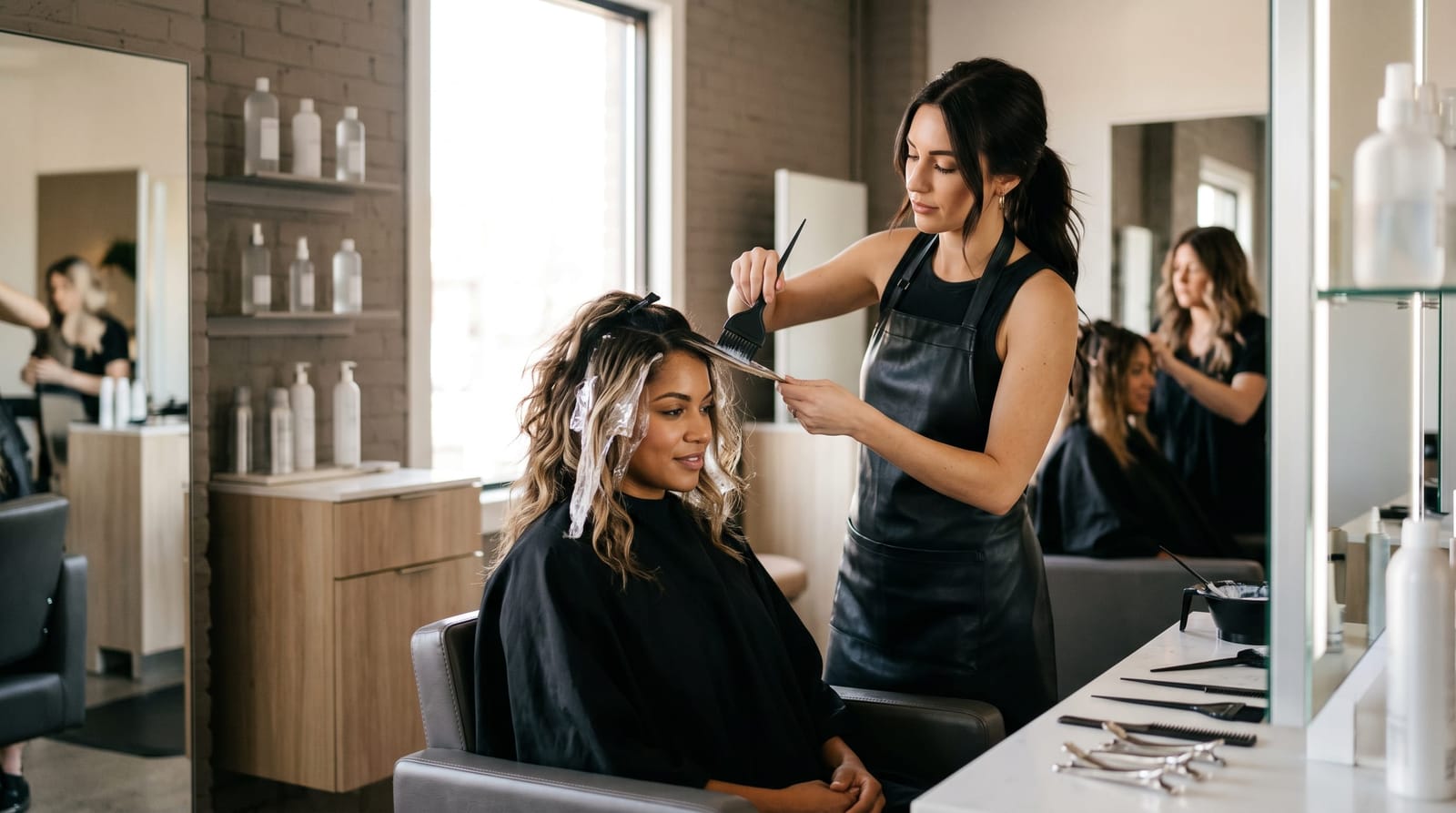
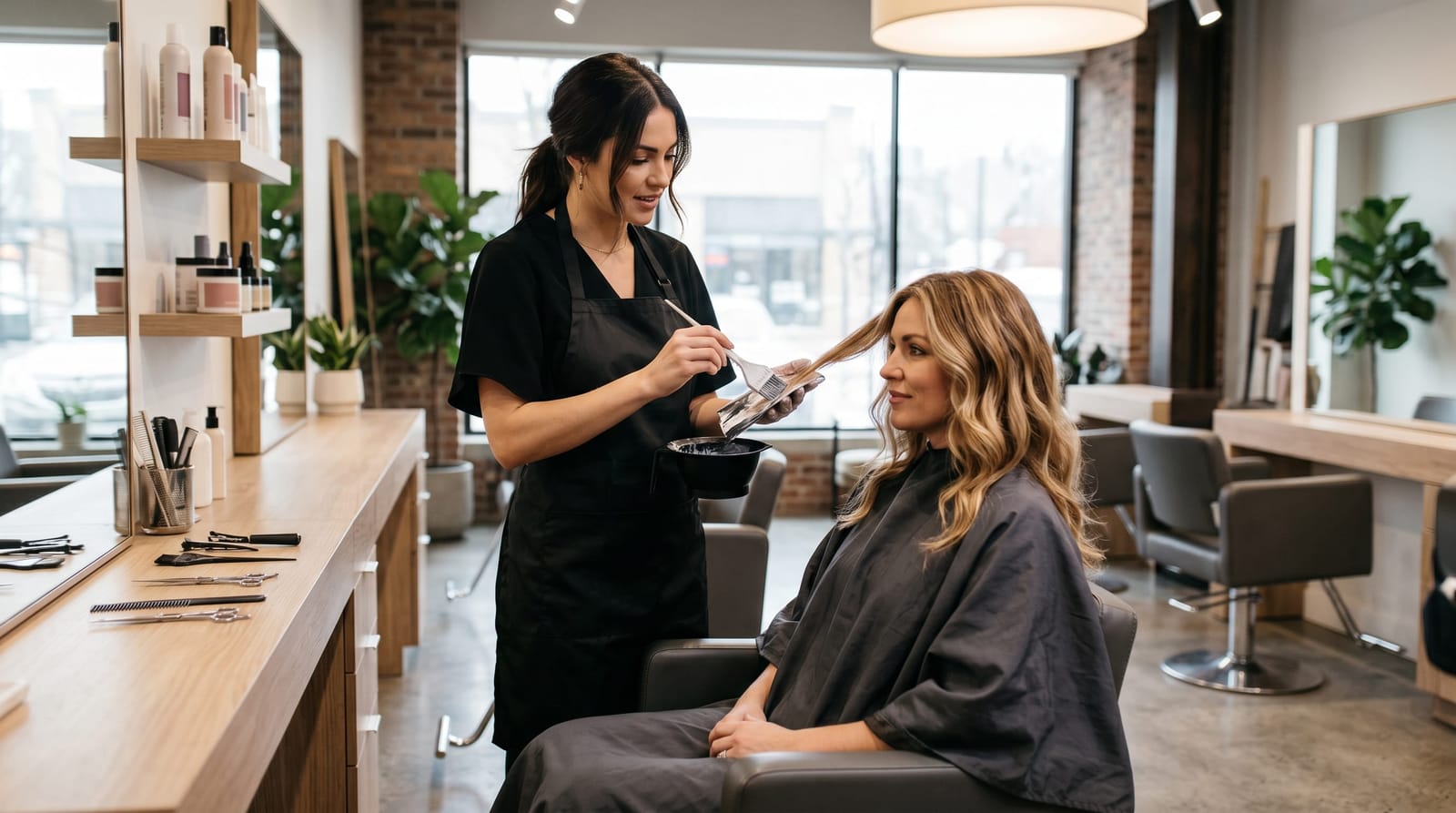
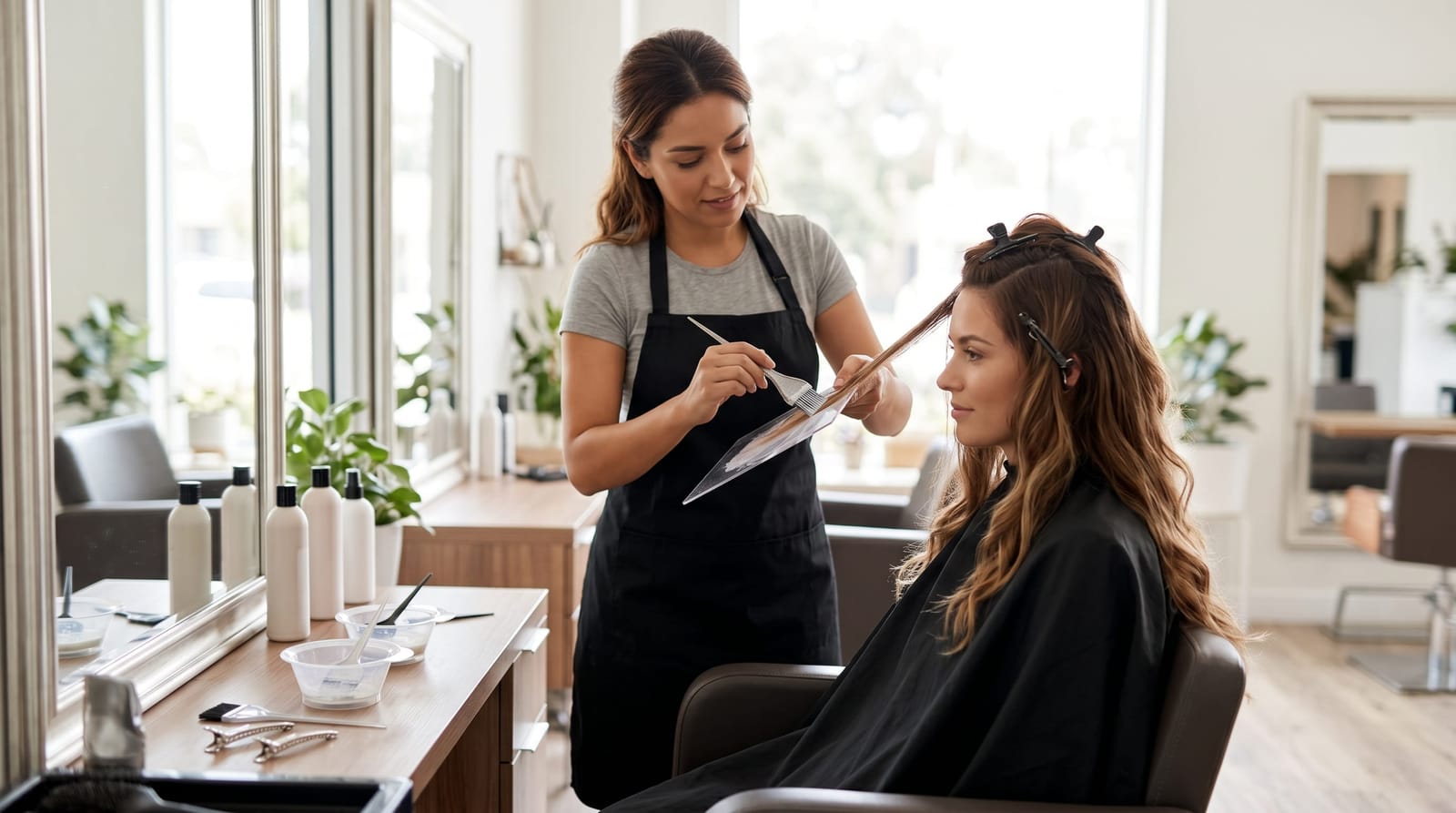
Balayage is a French word meaning "to sweep." A stylist hand-paints lightener directly onto the surface of selected hair sections, concentrating color toward the mid-lengths and ends while leaving the roots naturally darker. There are no foils involved. The lightener is applied freehand, giving the stylist full creative control over placement, saturation, and blending. Because the color is "painted" rather than uniformly saturated, the result has a soft, sun-kissed gradient with no harsh lines.
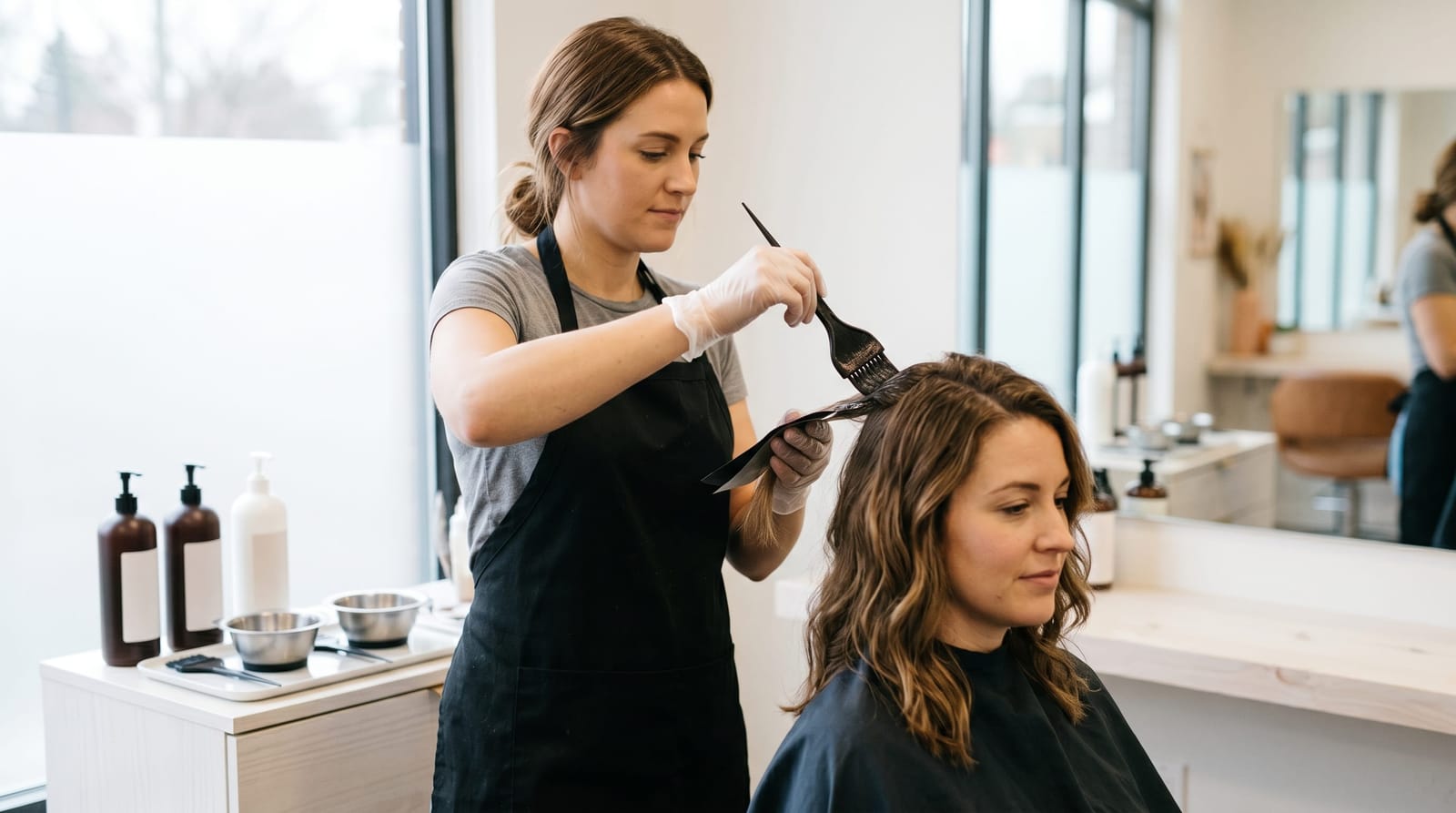
Foil highlights, by contrast, involve weaving or slicing out precise sections of hair, applying lightener to those sections, and then wrapping them in aluminum foil. The foil seals in heat, which accelerates the lifting process and produces a brighter, more uniform result. Foils allow for very precise placement: your stylist can control exactly how thick each highlight section is and how evenly the color is distributed from root to tip.
The key technical distinction: balayage creates dimension through selective surface painting, while foiling creates dimension through full-saturation of isolated sections. One approach mimics how the sun naturally lightens hair; the other delivers a more deliberate, constructed color result.
Results: What Each Technique Actually Looks Like
The difference in application translates directly into a visible difference in results, and this is where personal preference becomes critical.
Balayage produces a softer, more gradual blend with natural-looking variation in tone. Because the roots are left untouched or only lightly painted, there's no visible "line of demarcation" as the color grows out. The highlights tend to look most concentrated at the ends, creating a lived-in, dimensional look. This technique works particularly well for clients who want a natural aesthetic: think beachy waves, effortless sun-kissed color, or soft caramel tones through dark brunette hair.
Foil highlights deliver a brighter, more uniform result with higher contrast. Because lightener saturates each section from root to tip, the highlights are more vivid and more evenly distributed throughout the hair. This creates a bolder, more polished look that photographs beautifully and reads as a more intentional color. Foils are ideal for clients who want visible brightness, chunky highlights, or a more classic highlighted look with strong contrast against their base color.
In terms of how light can lift: foils typically lift hair 4-7 levels of lightness in a single session, while balayage may lift 2-5 levels depending on application saturation. This means foils are often more effective for clients with very dark hair who want dramatic lightness, though balayage on dark hair brunette can still achieve stunning results with the right technique and realistic expectations.
Maintenance: The Real Difference Most Clients Care About
For many clients, maintenance schedule is the single most decisive factor, and the two techniques differ significantly here.
Balayage maintenance: Because balayage doesn't typically include a root-to-tip application, there's no hard regrowth line to manage. Most clients can go 3-6 months between balayage appointments without the color looking "grown out." In fact, many balayage looks actually improve as they grow, softening even further over time. This makes balayage a practical choice for clients with busy schedules or those who prefer fewer salon visits per year.
Foil highlights maintenance: Foil highlights that are applied from the root will show a visible regrowth line as the hair grows: typically becoming noticeable at around 6-8 weeks. Most clients with root-to-tip foil highlights schedule touch-up appointments every 6-10 weeks to keep the look fresh. Over the course of a year, that's approximately 5-8 salon visits for color maintenance alone.
From a cost-per-year perspective, this matters. Fewer touch-up appointments with balayage may offset a higher initial service cost. If you're weighing long-term investment, our detailed breakdown of how much full balayage costs in Northern New Jersey covers what to expect for both initial appointments and annual maintenance budgets.
Which Technique Is Right for You?
There's no universally "better" technique: only the technique that's better for your specific hair goals, lifestyle, and starting point. Here's a practical breakdown:
Choose balayage if you:
- Want a natural, sun-kissed look with soft, blended dimension
- Prefer low-maintenance color with appointments every 3-6 months
- Have medium to dark hair and want gradual, subtle lightening
- Are growing out a previous color and want a seamless transition
- Prefer a lived-in, effortless aesthetic over a polished, uniform look
Choose foil highlights if you:
- Want brighter, bolder highlights with strong contrast against your base
- Need maximum lift from root to tip: particularly for finer or lighter hair types
- Want consistent, uniform coverage throughout your hair
- Prefer a classic highlighted look with visible brightness even at the roots
- Are comfortable with 6-10 week touch-up appointments
It's also worth noting that many professional stylists use a combination of both techniques in a single appointment. A skilled colorist might apply balayage through the mid-lengths and ends for a natural gradient, while using a small number of foils near the face for brightness and dimension. This hybrid approach is increasingly popular in balayage hair salons throughout Montclair, NJ and the broader Northern New Jersey area.
Hair Health Considerations
Both techniques involve lightener, which means both carry some degree of chemical processing. However, the impact on hair health differs based on coverage and saturation.
Foil highlights, particularly full-head applications with root-to-tip saturation, process more of the hair shaft overall, which can contribute to greater cumulative damage with frequent repeat applications. Research from hair care manufacturers suggests that hair lightened 4 or more levels loses up to 30% of its tensile strength if not treated with bond-building or protein-based aftercare.
Balayage, because it leaves roots untouched and often saturates less of each strand, tends to cause less overall chemical stress per appointment. However, if a client is going from very dark hair to a significantly lighter result over multiple balayage sessions, the cumulative lifting can still cause damage if proper care protocols aren't followed.
In both cases, professional toning, bond-building treatments like Olaplex, and a strong at-home care routine make a significant difference in maintaining color vibrancy and hair integrity between appointments.
Frequently Asked Questions
Is balayage or foil highlights better for thick hair?
Both techniques work on thick hair, but foil highlights are often more efficient for clients who want full, even coverage throughout a dense mane. Balayage on thick hair can be beautifully dimensional but may require more time to ensure thorough placement. Discuss your density and desired saturation level with your stylist before your appointment.
How long does balayage take compared to foil highlights?
A full balayage service typically takes 2-4 hours depending on hair length, density, and the complexity of the desired result. A full foil highlight service runs approximately 1.5-3 hours. Both timelines include processing time and toning. Balayage often takes longer because each section requires individual freehand painting decisions rather than a repeating foil pattern.
Can you switch from foil highlights to balayage?
Yes, and it's a very common transition. Many clients who've been doing traditional foil highlights for years switch to balayage to reduce maintenance and grow out a softer look. A skilled colorist can often incorporate existing foil highlights into a new balayage application, blending the two during the transition period rather than starting completely fresh.
Does balayage work on very dark hair?
Yes, though realistic expectations are important. Balayage on very dark hair typically requires multiple sessions to achieve significant lightness without compromising hair health. A talented colorist can create stunning contrast and dimension even on deep brunette or black hair, and the natural, gradual look of balayage often suits dark hair beautifully.
The Bottom Line
The balayage vs foil highlights difference ultimately comes down to your desired look, maintenance tolerance, and hair goals. Balayage delivers effortless, low-maintenance dimension with a natural finish, while foil highlights offer brightness, precision, and root-to-tip coverage for a more polished result. Neither is objectively better; both are valuable tools in a professional colorist's repertoire. The best choice is the one your stylist recommends after a thorough consultation, which is why finding an experienced colorist at a reputable balayage hair salon in Montclair, NJ is the most important step you can take.