Can You Get a Lip Wax if You Have Sensitive Skin?
Lip waxing is one of the most popular facial services for a reason: it's fast, precise, and leaves skin noticeably smooth. But if your skin tends to react to products or treatments, you've probably wondered whether lip waxing is actually right for you. The short answer is yes, most people with sensitive skin can absolutely enjoy the lip waxing benefits aftercare makes possible, but the key is knowing what to expect, how to prep, and how to protect your skin afterward. Here's everything you need to know before your appointment.
What Makes Lip Skin More Reactive: and Why That Matters
The skin around your upper lip is thinner and more delicate than the skin on your legs or arms, which is why some people experience redness, mild swelling, or sensitivity after a lip wax even when they don't have traditionally "sensitive" skin. For those who do have reactive skin, the response can be a little more pronounced, but it's almost always temporary and very manageable with the right approach.
Certain ingredients in waxing products can trigger reactions in sensitive skin types. Synthetic fragrances are one of the most common culprits, as are resins found in standard soft waxes. Some people also react to colorants or preservatives used in lower-quality wax formulas. This is why the wax formula your esthetician uses matters just as much as the technique itself.
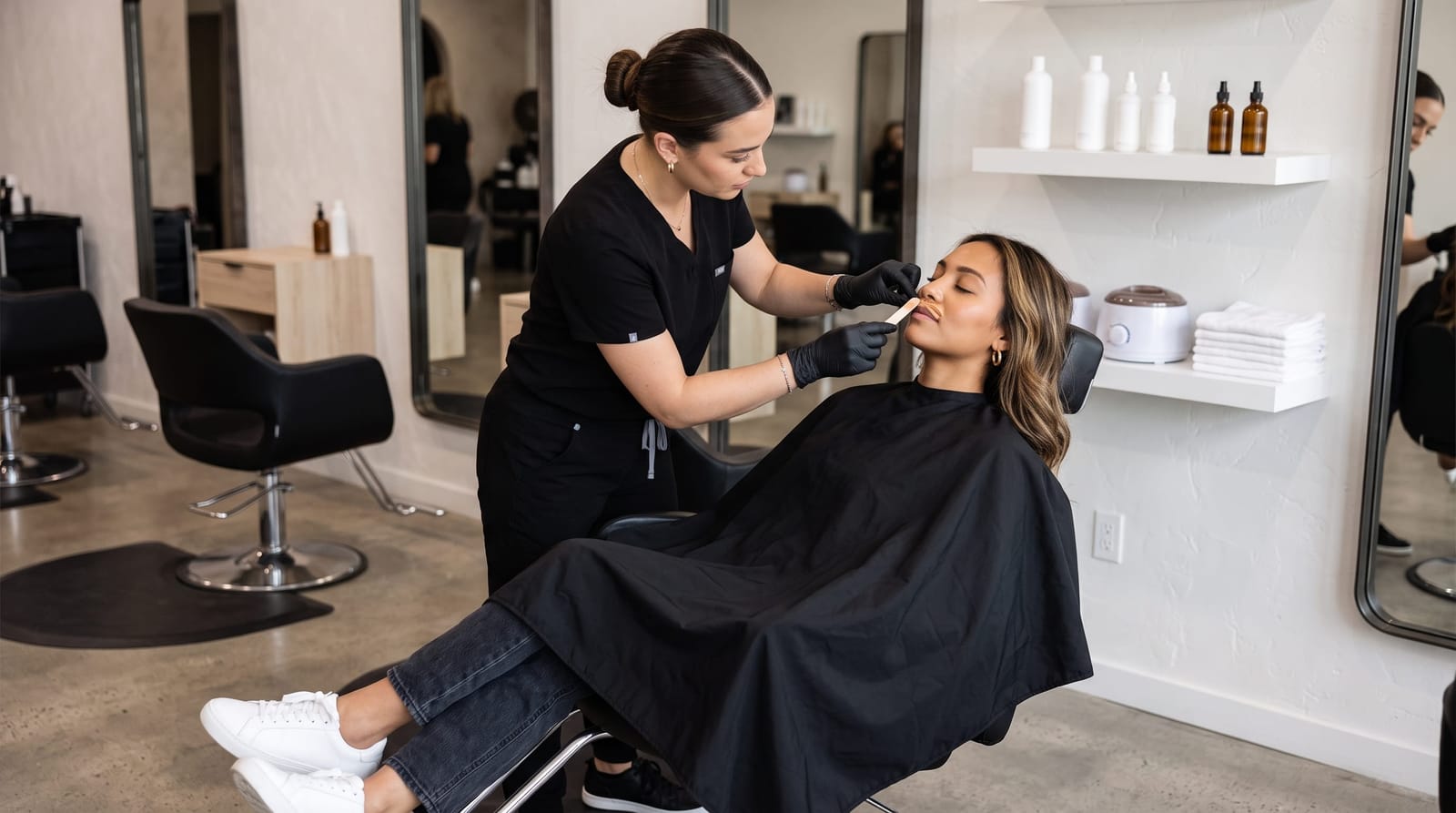
A professional esthetician will often use a hard wax, sometimes called stripless wax, for sensitive facial skin. Hard wax grips the hair rather than adhering to the skin, which means less trauma to the surface during removal. Many hard wax formulas designed for sensitive skin also include calming ingredients like chamomile, azulene, or aloe vera, which work with the skin rather than against it.
How to Prep Your Skin Before a Lip Wax
A little preparation before your appointment can make a meaningful difference, especially for sensitive skin types. Starting a few days before your scheduled service, you'll want to keep the area calm and free from anything that could make skin more reactive at the time of waxing.
- Avoid exfoliating the area for at least 48 hours before your appointment. Over-exfoliated skin is more prone to sensitivity during waxing.
- Skip retinol or active skincare products around the lip area for at least three to five days prior. These ingredients thin the skin and can increase the risk of irritation or even surface lifting.
- Stay out of the sun and avoid tanning beds in the days leading up to your appointment. Sunburned or sun-stressed skin should never be waxed.
- Come in with clean, product-free skin. Moisturizer, SPF, and makeup can all interfere with wax adhesion and should be removed before your service begins.
- Mention any medications you're currently taking. Certain prescriptions, including some antibiotics, blood thinners, and topical acne treatments like tretinoin, can affect how your skin responds to waxing.
Arriving informed and prepared sets you and your esthetician up for the best possible outcome. A quick conversation at the start of your appointment about your skin's history goes a long way.
What a Professional Esthetician Does Differently for Sensitive Clients
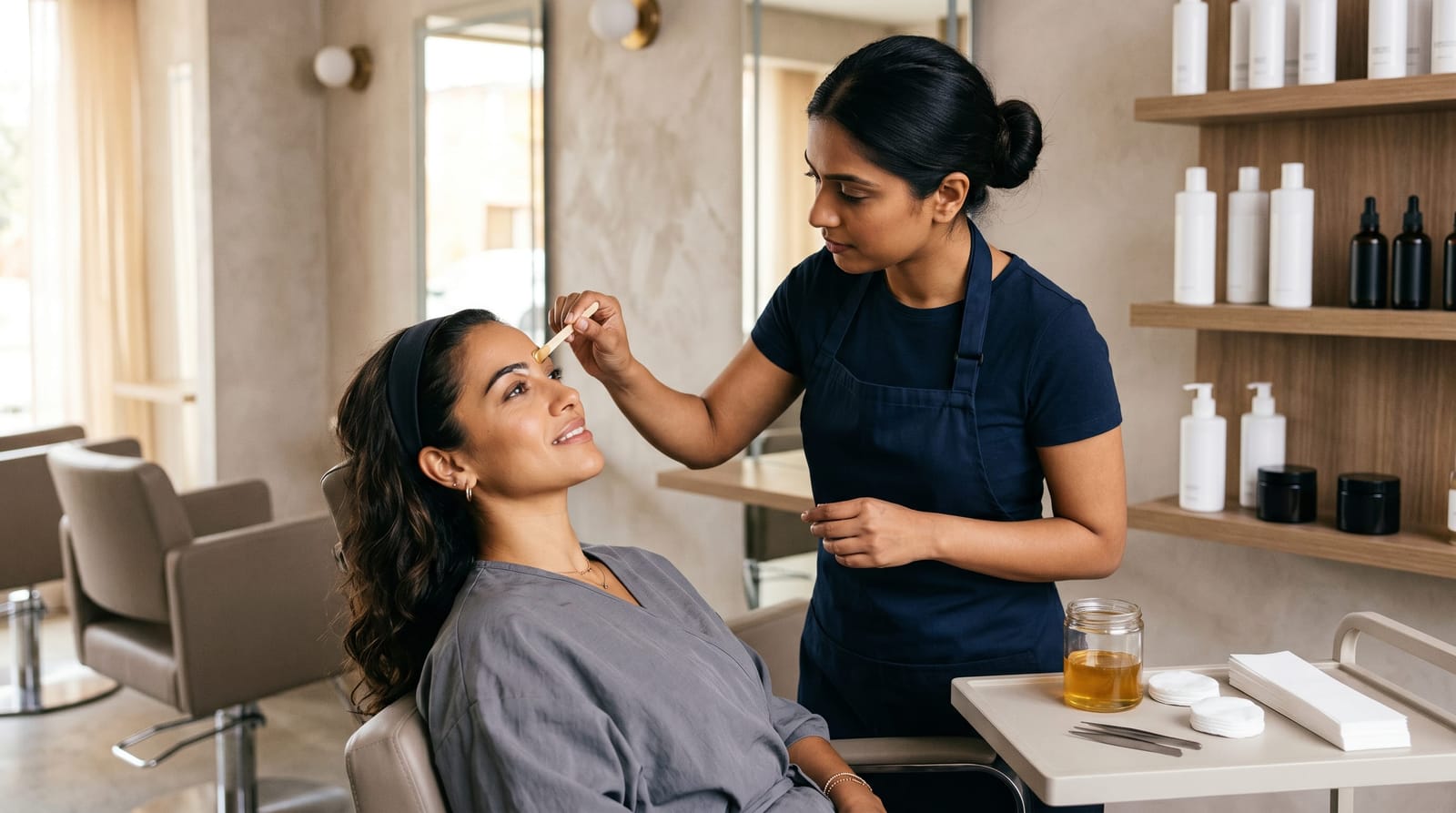
This is where the experience of a trained esthetician truly shows. At a professional salon, sensitive skin isn't treated as a complication: it's simply part of the consultation. Before the wax is ever applied, a skilled esthetician will assess the skin, ask about any current products or medications, and select the appropriate wax formula for your specific needs.
For reactive skin, the approach typically includes:
- Using a low-temperature hard wax that requires no strips and reduces pulling on the skin's surface
- Applying a thin pre-wax oil or barrier to protect the skin before wax contact
- Working in small, controlled sections to minimize how much skin is affected at one time
- Applying gentle pressure immediately after removal to calm the skin and reduce the sting
- Finishing with a post-wax soothing product, often something with aloe vera, tea tree, or calendula, to reduce redness
The difference between a reactive experience and a smooth, comfortable one often comes down to the quality of the professional you're working with. Trusting a licensed esthetician who understands sensitive skin is the single most important step you can take.
Lip Waxing Benefits, Aftercare, and Soothing Your Skin Post-Appointment
Understanding the lip waxing benefits aftercare plays a central role in delivering is key for sensitive skin clients. The service itself may only take a few minutes, but what you do in the 24 hours following is what protects your results and keeps irritation at bay.
Right after your appointment, your skin will likely look slightly pink or feel warm: this is completely normal and typically settles within an hour or two. Here's how to care for the area effectively:
- Avoid applying makeup, lip gloss, or heavy creams to the waxed area for at least 24 hours. The follicles are temporarily open, and introducing products can cause breakouts or irritation.
- Apply a gentle, fragrance-free aloe vera gel to calm the skin. Aloe is one of the most effective and accessible soothing options post-wax.
- Keep your hands away from the area. Touching introduces bacteria to freshly waxed skin.
- Apply SPF if you're heading outside. Freshly waxed skin is more vulnerable to UV damage, so sun protection is especially important in the hours following your service.
- Avoid heat, including hot showers, steam rooms, or intense exercise, for the rest of the day. Heat increases inflammation in already sensitized skin.
If you're curious about how long your results will last and when the ideal time to rebook is, How Long Does Lip Waxing Last? When to Rebook breaks down the typical growth cycle and why timing your appointments every four to six weeks keeps skin consistently smooth.
When Lip Waxing Isn't the Right Call
While most people with sensitive skin can safely enjoy professional lip waxing, there are certain situations where it's best to wait or explore alternatives. Knowing when to pause is just as important as knowing how to prepare.
Avoid booking a lip wax if you're currently experiencing:
- Active breakouts, cold sores, or open skin in the lip area: waxing over compromised skin can spread bacteria and worsen the condition
- A current sunburn on or near the lip area
- Eczema or psoriasis flare-ups: during a flare, skin is already inflamed and waxing can intensify irritation
- Recent cosmetic procedures, such as lip fillers or laser treatments, without clearance from your provider
- Use of prescription retinoids or Accutane: these medications significantly thin the skin and make waxing unsafe
When in doubt, a quick consultation with your esthetician before booking is always welcome. A great salon will never push a service that isn't right for your skin's current condition.
Frequently Asked Questions
Will my lips swell after waxing if I have sensitive skin?
Some mild puffiness or redness directly after a lip wax is normal for most clients and especially common for those with sensitive skin. It typically fades within one to two hours. Applying a cool compress and aloe vera gel can help speed up the calming process. If swelling persists beyond a few hours or feels severe, contact your esthetician or a healthcare provider.
Can I use numbing cream before a lip wax?
Some clients with very low pain tolerance ask about topical numbing products, but this should always be discussed with your esthetician first. Certain numbing creams can affect skin texture or interfere with wax adhesion. Your esthetician may recommend alternative techniques, like using a calming hard wax and working quickly, that achieve a comfortable experience without additional products.
How soon after a lip wax can I apply my skincare routine again?
For sensitive skin, it's best to wait at least 24 hours before returning to your full skincare routine around the lip area. Start with gentle, fragrance-free products and hold off on any actives, like vitamin C, AHAs, or retinol, for an additional day or two to give skin time to settle.
Is hard wax or soft wax better for sensitive lip skin?
Hard wax is generally the preferred choice for sensitive facial skin, including the lip area. Because it adheres to the hair rather than the skin, the removal process is less abrasive. Many hard wax formulas also contain skin-calming ingredients that further reduce the chance of post-wax redness or irritation.
The Bottom Line
Sensitive skin doesn't have to stand between you and the clean, smooth results that professional lip waxing delivers. With the right wax formula, a skilled esthetician, and a simple aftercare routine, most reactive skin types do beautifully with this service. The lip waxing benefits aftercare supports are real: less irritation, longer-lasting results, and skin that's treated with care from start to finish. If you're ready to talk through your skin's specific needs, the team at Substance Salon is here to make sure your experience feels as good as it looks.