Hair Smoothening Treatment Types: Finding the Right Solution
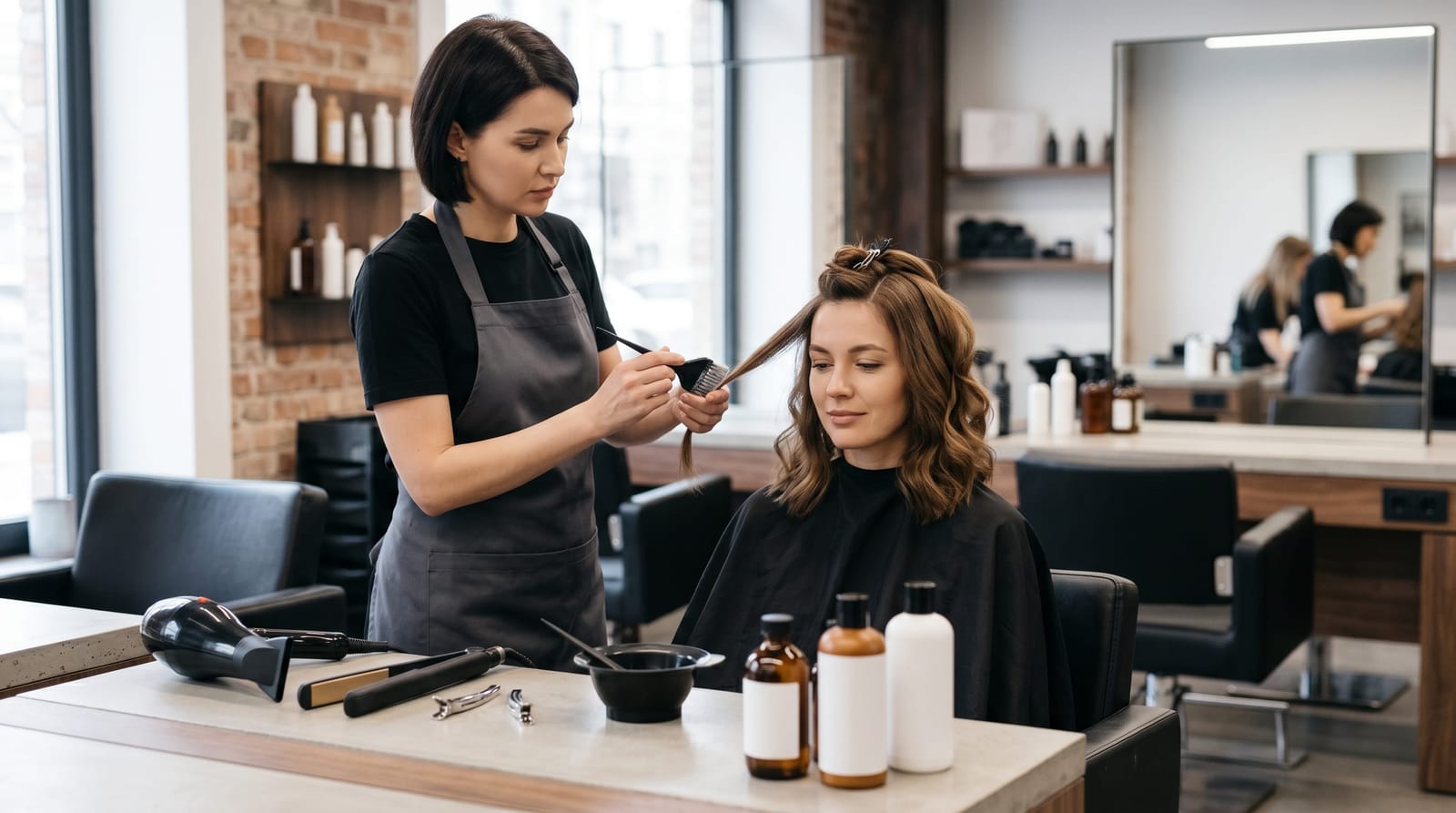
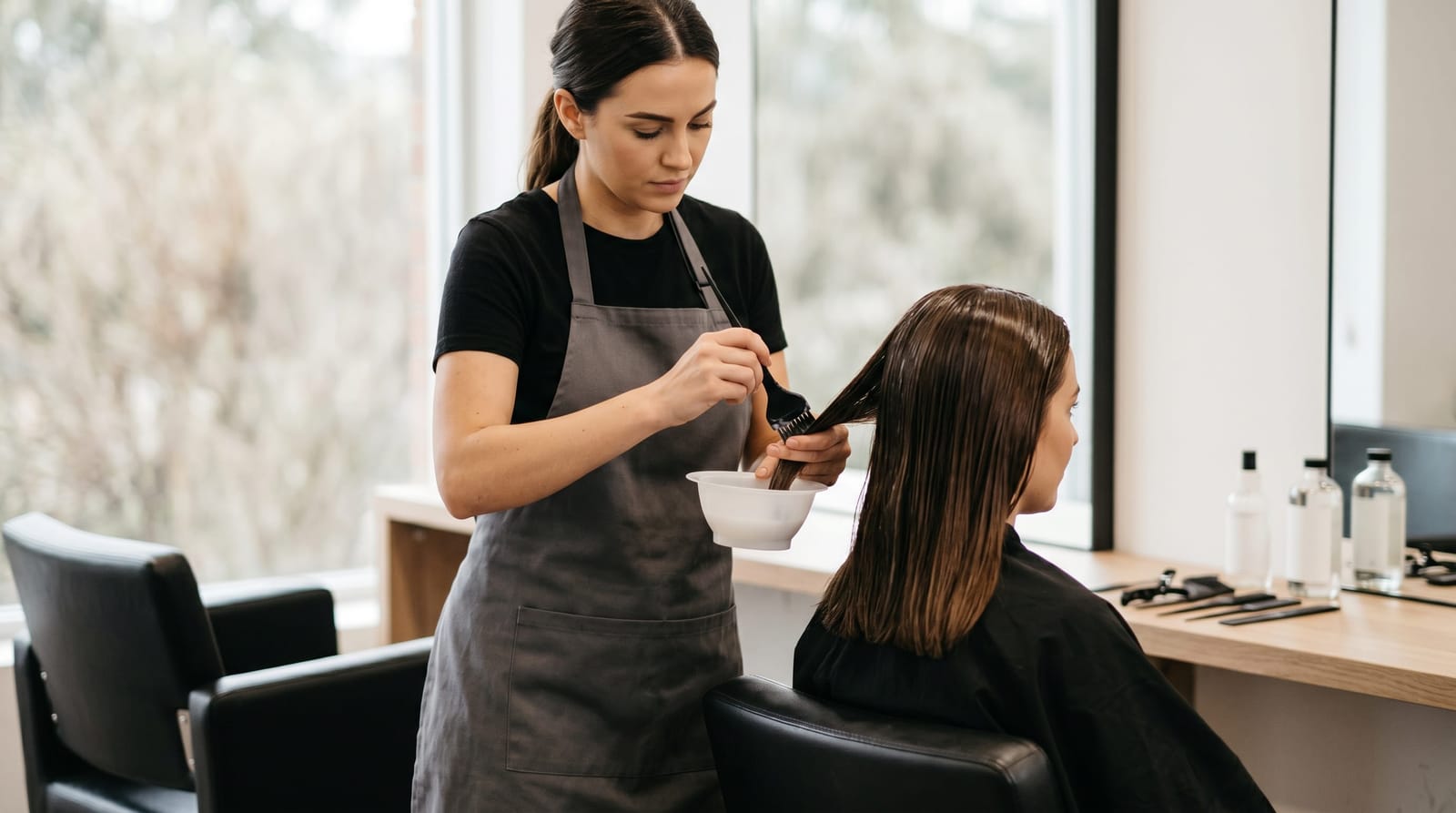
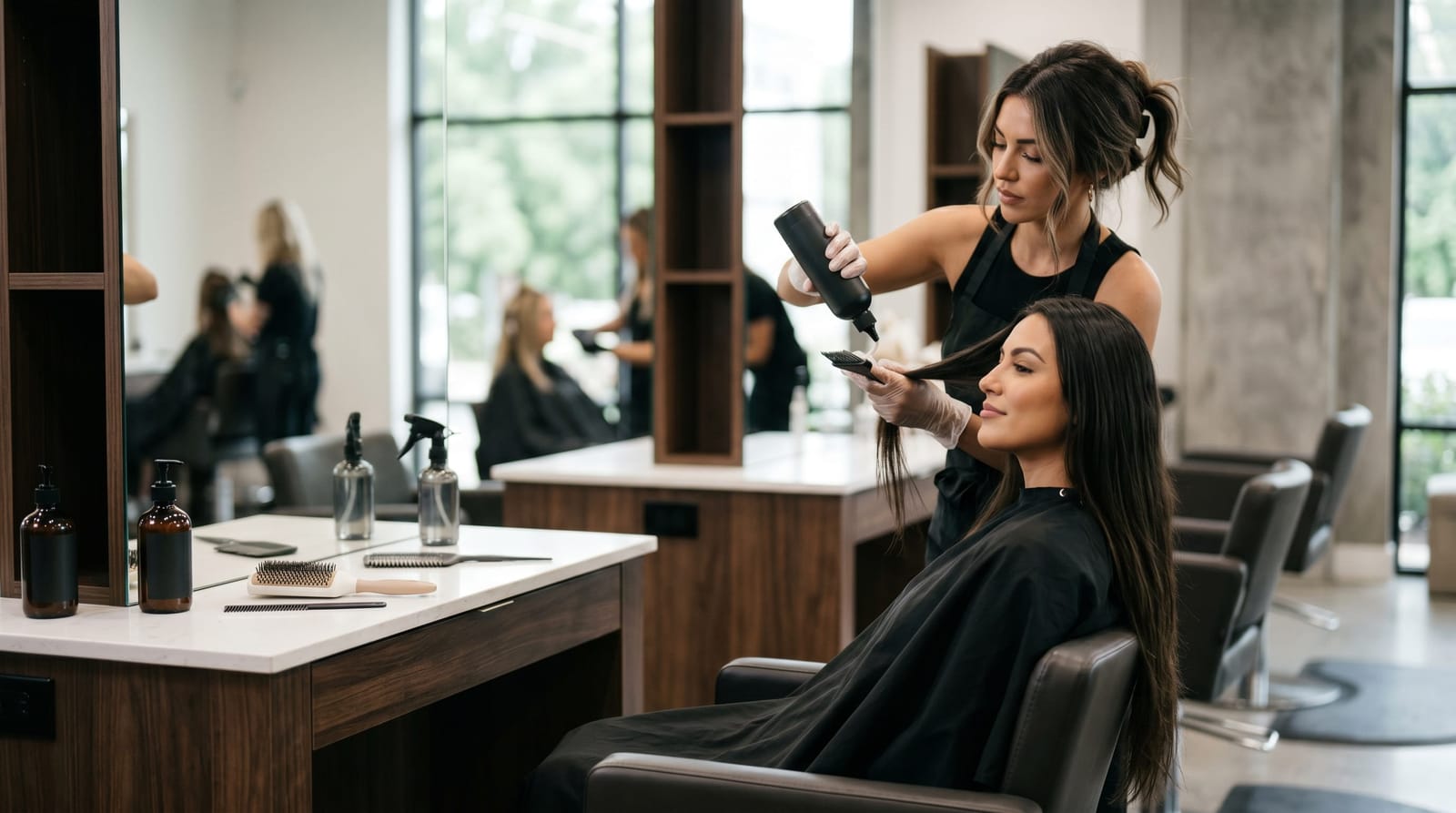
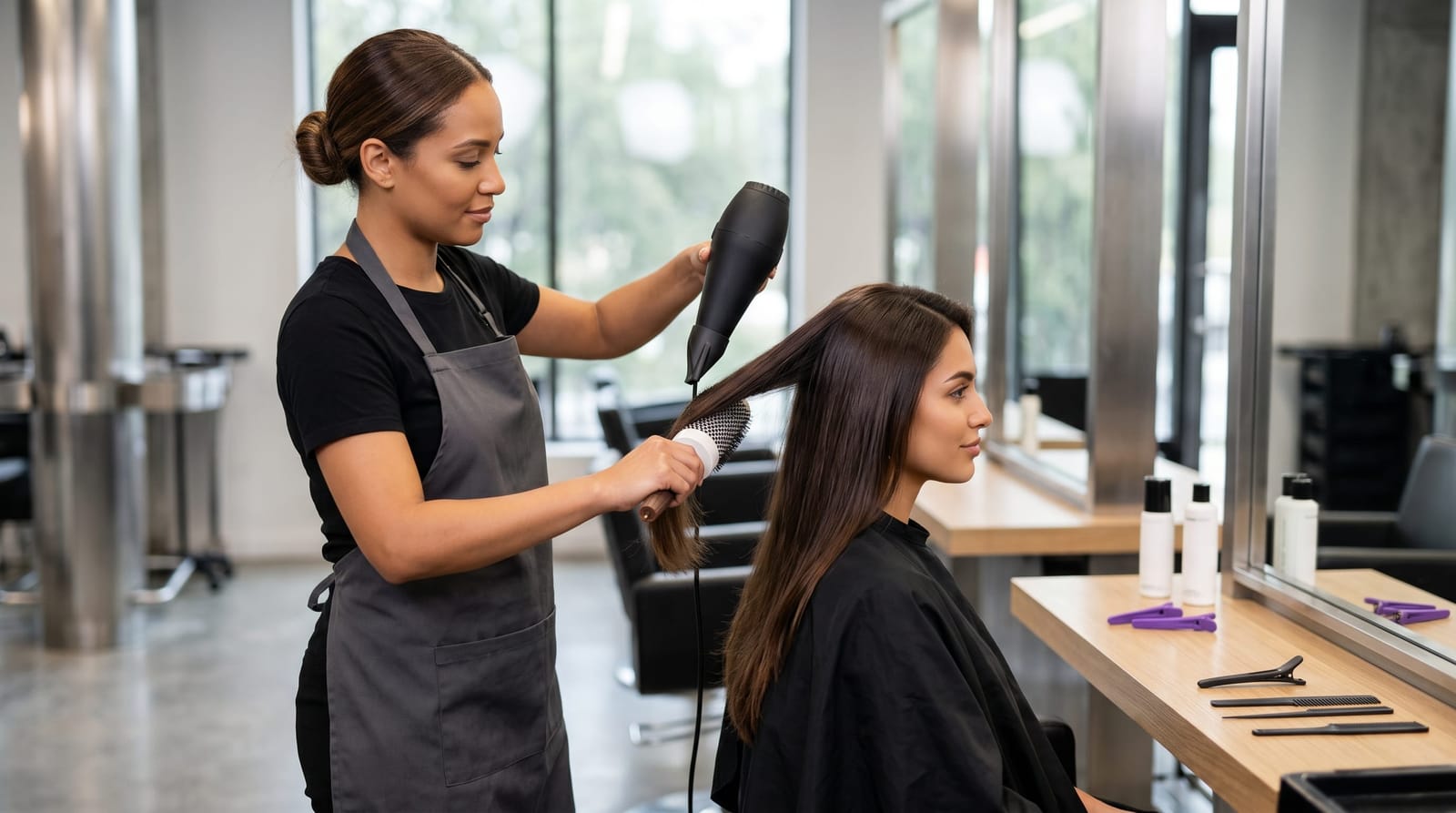
When it comes to professional hair smoothening treatments, the options can feel overwhelming. Keratin, Brazilian blowout, Japanese straightening, bond-building treatments: each one promises smoother, more manageable hair, but they work in very different ways. Choosing the wrong one for your hair type can mean disappointing results or unnecessary stress on your strands. This guide breaks down the most popular types of hair smoothening treatments available today, explains what makes each one unique, and helps you figure out which approach fits your hair goals and lifestyle. Whether you're dealing with stubborn frizz, tight curls, or just want to cut your morning routine in half, there's a treatment designed specifically for you.
Understanding What Hair Smoothening Treatments Actually Do
Before comparing specific options, it helps to understand what these treatments are actually doing at the hair structure level, in plain terms, not chemistry class terms.
Hair frizz and curl pattern come from the shape of the hair's inner protein structure. When humidity hits the hair shaft, it causes the outer layer (called the cuticle) to lift, which creates that familiar puffed-out, frizzy look. Smoothening treatments work by either temporarily coating the hair to seal the cuticle, or by chemically altering the bonds inside the hair to change its shape more permanently.
That distinction, temporary coating versus permanent restructuring, is one of the most important things to understand when choosing a treatment. Treatments that coat the hair tend to be gentler and wear off gradually over time. Treatments that restructure the hair deliver more dramatic results but require more careful maintenance and, in some cases, a stronger formula.
According to industry data, roughly 65% of women report spending more than 30 minutes styling their hair daily to manage frizz and texture. That's a significant amount of time that the right smoothening treatment can give back. Knowing which treatment aligns with your hair's current condition is the first step toward making that happen.
The Four Main Types of Hair Smoothening Treatments
Let's walk through the most common types of hair smoothening treatments, from the most temporary to the most transformative.
Keratin Treatments
Keratin treatments are among the most popular smoothening services in professional salons, and for good reason. They work by infusing the hair with a keratin protein formula that fills in gaps along the hair shaft and smooths the cuticle. The result is noticeably softer, shinier, and more manageable hair: typically within a single appointment.
Modern keratin formulas are mostly formaldehyde-free, which makes them a much safer and more comfortable experience than older versions. Most keratin treatments last between 3 and 5 months, depending on your hair type and how often you wash. Fine or color-treated hair often sees results closer to the 3-month mark, while coarser textures can enjoy results for the full 5 months.
Keratin treatments are especially well-suited for people who want significant frizz reduction and improved shine without permanently altering their natural curl pattern. They soften the texture and reduce styling time without completely eliminating wave or body. If you're curious about the lifestyle benefits of this service specifically, exploring keratin treatment salon Montclair NJ options is a great starting point.
Brazilian Blowout
The Brazilian blowout is a specific brand of smoothening treatment that uses a liquid keratin formula applied before a flat iron seal. It's known for being one of the more flexible options: it doesn't dramatically alter curl pattern but creates a smoother, more polished version of your natural texture.
One of its key advantages is that results are cumulative. With regular treatments every 10 to 12 weeks, many clients find that each session produces even better results than the last. It also tends to be more compatible with color-treated and highlighted hair than stronger chemical options. For a detailed side-by-side look at how it compares to keratin formulas, the breakdown of Brazilian blowout vs keratin treatment is worth reading before you book.
Japanese Straightening (Thermal Reconditioning)
Japanese straightening, also called thermal reconditioning, is in a category of its own. Unlike keratin treatments that coat the hair, this process uses a chemical called ammonium thioglycolate to break down the disulfide bonds inside the hair shaft. Heat is then applied to reset those bonds in a straight configuration, creating a permanent change in texture.
The results are dramatic: completely straight, sleek hair that doesn't revert to its natural curl pattern. For people with very coarse or tightly curled hair who want a permanent solution, this treatment delivers results that no other service can match. However, it requires strict aftercare for the first 72 hours after treatment, and it's not recommended for hair that has been heavily bleached or chemically processed. Regrowth will also be visible as new hair grows in with its natural texture, requiring touch-up appointments every 6 to 12 months.
Smoothing Serums and Blow-Dry Treatments
On the lighter end of the spectrum, professional smoothing serums and blow-dry treatments are applied in-salon for a temporary but beautiful finish. These don't involve chemicals that alter your hair structure: they simply coat the hair with smoothing agents, oils, and proteins that reduce frizz and add shine for anywhere from a few days to a few weeks.
This is an ideal option if you have a special event coming up, if your hair is too fragile for a stronger treatment right now, or if you simply want to experience what smoother hair feels like before committing to something more lasting. Many stylists recommend a professional blow-dry treatment as a first step for clients with significantly damaged hair who aren't yet candidates for keratin or chemical services.
Formaldehyde-Free Options: What You Need to Know
The shift toward formaldehyde-free smoothening treatments has been one of the most significant changes in the professional salon world over the past decade. Earlier keratin formulas relied on formaldehyde as a bonding agent, which produced excellent results but raised legitimate concerns about salon air quality and client safety during the treatment process.
Today, formaldehyde-free options have become the industry standard at quality salons. These formulas use alternative bonding agents, commonly glyoxylic acid or cysteine, to smooth and seal the hair without the associated risks. Testing conducted by independent beauty publications, including Allure, found that formaldehyde-free smoothing treatments still produced impressive results, with clients reporting a quick blow-dry delivering shiny, salon-quality results up to a month after treatment.
It's worth noting that "formaldehyde-free" doesn't mean completely chemical-free. These are still professional-grade treatments best applied by trained stylists. But for clients who previously avoided keratin treatments due to concerns about ingredients, today's formulas are a genuinely different experience: effective, comfortable, and much better suited for regular use.
Matching Treatment Intensity to Your Hair Type
Not every hair type needs the same level of treatment intensity. One of the biggest mistakes people make is choosing a service based on what worked for a friend rather than what's right for their own hair.
Fine or Color-Treated Hair
Fine hair and hair that has been lightened, highlighted, or color-treated requires a gentler approach. Strong chemical treatments can cause breakage in already-fragile strands. A standard keratin treatment or a bond-strengthening smoothing service is typically the better fit. These still deliver meaningful frizz reduction and shine without putting structural stress on delicate hair. For clients wondering whether their hair is in good enough condition for a smoothening service, the detailed guidance on hair smoothening for damaged hair addresses exactly that question.
Medium Texture with Moderate Frizz
Medium-texture hair with moderate frizz or waves is the sweet spot for most keratin and Brazilian blowout treatments. These hair types respond well to protein-based formulas and typically see results lasting 3 to 5 months. Styling time after treatment drops noticeably: many clients report cutting their morning routine from 45 minutes to under 15.
Coarse, Thick, or Very Curly Hair
Thick, coarse, or tightly curled hair often requires a more intensive approach to see significant smoothing. Japanese straightening delivers the most dramatic change for this hair type. Alternatively, a strong keratin treatment designed for coarse textures can still produce meaningful results without the permanence of thermal reconditioning. A consultation with your stylist is essential here: the right answer depends on your hair's current health as much as its texture.
How Long Results Last Across Different Treatments
Duration is one of the most practical factors when choosing a smoothening service, especially if you're budgeting your salon visits throughout the year.
- Blow-dry and smoothing serum treatments: 1 to 3 weeks
- Brazilian blowout: 10 to 12 weeks with proper aftercare
- Standard keratin treatment: 3 to 5 months depending on hair type and wash frequency
- Japanese straightening: Permanent on treated hair, with regrowth touch-ups needed every 6 to 12 months
Aftercare plays a significant role in how long any smoothening treatment lasts. Using sulfate-free shampoo, minimizing heat styling where possible, and avoiding chlorine exposure can meaningfully extend your results. A future post on smoothening treatment aftercare will go deeper into the specific steps that protect your investment between appointments.
It's also worth noting that how often you wash your hair matters. Clients who wash daily may find their keratin results fading closer to the 3-month mark, while those who wash two to three times per week often maintain results for the full 5 months.
Related Topics Worth Exploring
Understanding the types of hair smoothening treatments is a strong starting point, but there are several related areas that help build a complete picture. How long a smoothening treatment lasts depends on both the formula used and how well you care for your hair afterward: a topic that deserves its own deep dive. If you're specifically weighing two of the most popular professional options against each other, exploring the differences between a Brazilian blowout vs keratin treatment gives you a direct comparison to work from. And if your hair has been through significant chemical processing or damage, understanding whether a smoothening treatment is appropriate for your current hair health is an important first step before booking any service.
Finding the Right Treatment Starts with the Right Conversation
The best hair smoothening treatment is the one that matches your hair's actual needs, not just the one that sounds the most impressive or delivers the most dramatic change. Fine, color-treated hair needs a different approach than thick, coarse curls. A busy professional who wants to cut her morning routine in half needs something different than someone preparing for a one-time event.
At Substance Salon, every smoothening service starts with a thorough consultation. Your stylist will assess your hair's current condition, discuss your lifestyle, and recommend the treatment that makes the most sense for you specifically. The goal isn't the most dramatic result: it's the most right result. Ready to find your perfect match? Book a consultation and let's build a plan for hair that works with your life, not against it.