How Often Should Kids Get Haircuts
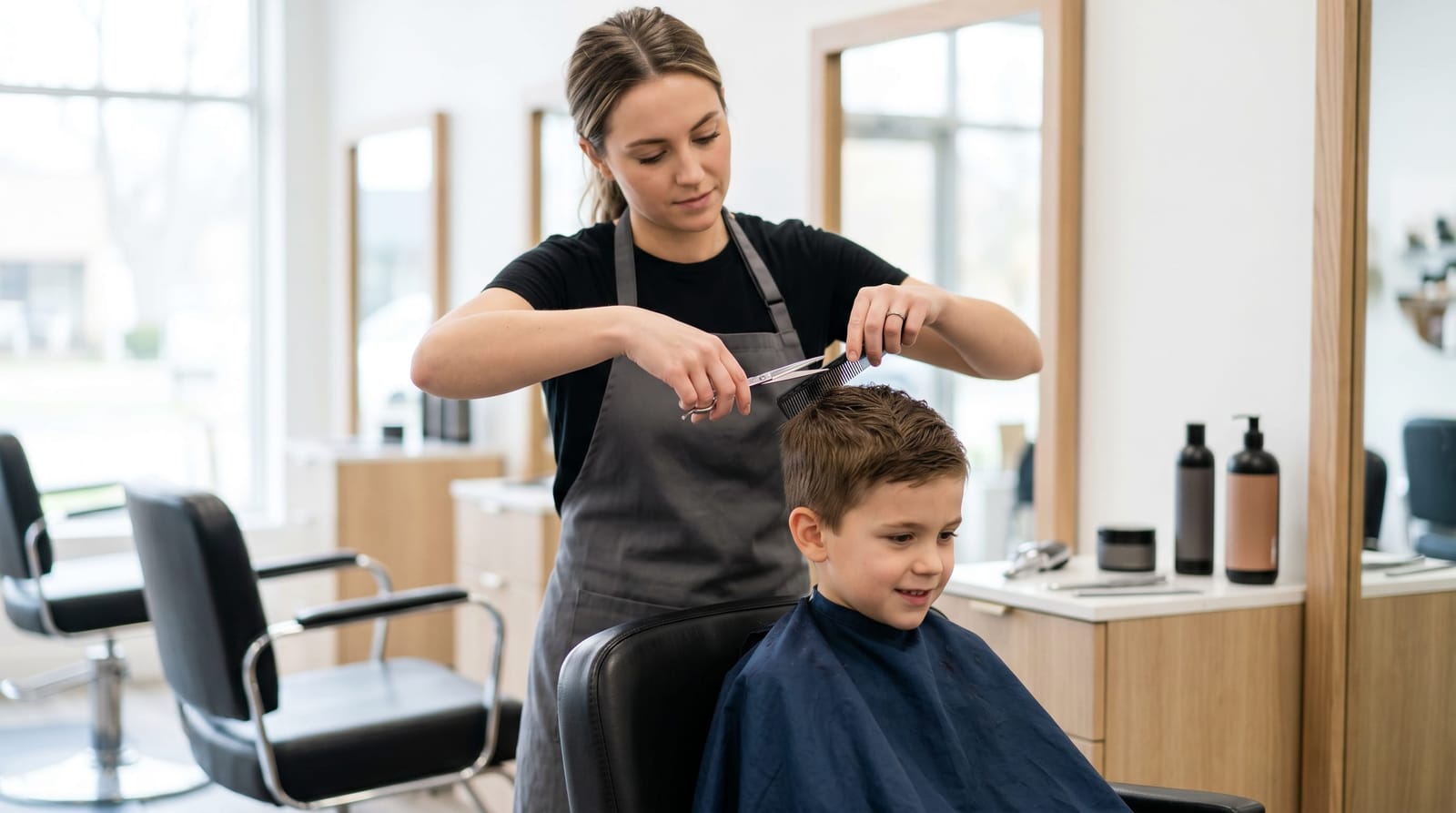
One of the most common questions parents ask is "how often should kids get haircuts?" The answer isn't one-size-fits-all. It depends on your child's age, hair growth rate, hair type, and lifestyle. Understanding the right timing for children's haircuts helps maintain healthy hair while keeping within your family budget. At Substance Salon, our experienced stylists work with families every day to create personalized haircut schedules that keep kids looking their best year-round. Let's explore the specific factors that determine how often kids should get haircuts at every stage of childhood.
Why Knowing How Often Kids Should Get Haircuts Matters
Establishing a consistent haircut schedule is about more than just appearances. Regular trims promote healthier hair growth by removing split ends before they travel up the hair shaft. According to the American Academy of Dermatology, split ends that go untreated cause breakage that makes hair appear thinner and less healthy over time. Knowing how often kids should get haircuts helps parents stay proactive rather than reactive when it comes to hair health.
Children's hair grows at an average rate of half an inch per month. Individual growth rates can vary by as much as 30% depending on genetics, nutrition, and overall health. When parents aren't sure how often kids should get haircuts, they often wait too long between appointments. This results in more corrective work, higher costs, and frustrated children sitting in the salon chair longer than necessary.
Consistent scheduling also makes the salon experience more positive for children. Kids who visit regularly become comfortable with the process. This reduces anxiety and makes each appointment smoother. The stylists at Substance Salon frequently note that children on regular schedules are far more cooperative and relaxed than those who come in infrequently for dramatic overhauls.
How Often Should Kids Get Haircuts by Age Group
When determining how often kids should get haircuts, age plays a crucial role in setting the right schedule. Children's hair growth varies significantly across age groups. Using age as your primary guide gives you a reliable starting point before factoring in hair type and lifestyle. Below is a breakdown of recommended cutting intervals by age.
Toddlers (Ages 1-3): Every 8-12 Weeks
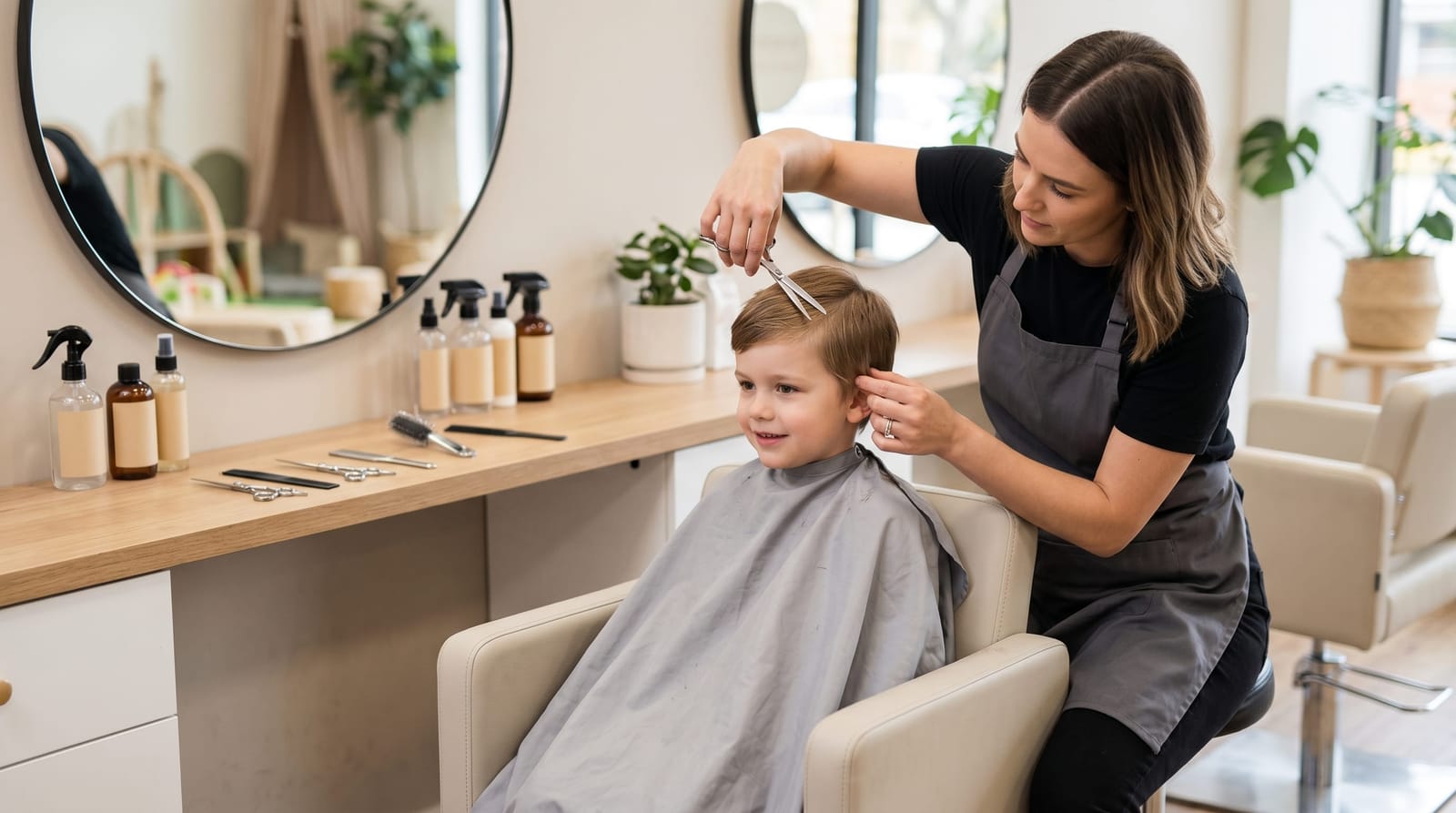
Toddlers typically need haircuts every 8-12 weeks. Their hair grows more slowly during these early years. Many parents prefer to maintain longer styles during this stage. However, if you notice hair getting in their eyes or becoming difficult to manage, it may be time for a trim. The first haircut is emotionally significant for many families. Substance Salon recommends scheduling it when hair begins to obstruct vision rather than at a specific age.
Toddler hair is often fine and delicate. It can appear unruly even with minimal growth. Parents wondering how often kids this age should get haircuts should focus on manageability rather than length. If styling takes more than a few minutes each morning, a trim is likely overdue. Keeping a simple, easy-to-manage cut makes bath time and morning routines significantly less stressful for both parent and child.
Preschoolers (Ages 4-6): Every 6-8 Weeks
Preschoolers generally benefit from haircuts every 6-8 weeks. At this age, children are more active and may attend preschool or daycare where neat, manageable hair is preferred. Regular trims help maintain shape and prevent tangles that make morning routines challenging. This is also the age when many children begin developing opinions about their own hair, making stylist rapport especially important.
Children in this age group tend to be messier eaters and more physically active during play. Hair gets dirtier more quickly and tangles form faster. Parents asking how often preschoolers should get haircuts should factor in their child's activity level alongside basic growth rate. More active children often benefit from being on the shorter end of the 6-8 week range. At Substance Salon, we help parents find that sweet spot based on their child's specific routine.
School-Age Children (Ages 7-12): Every 4-6 Weeks
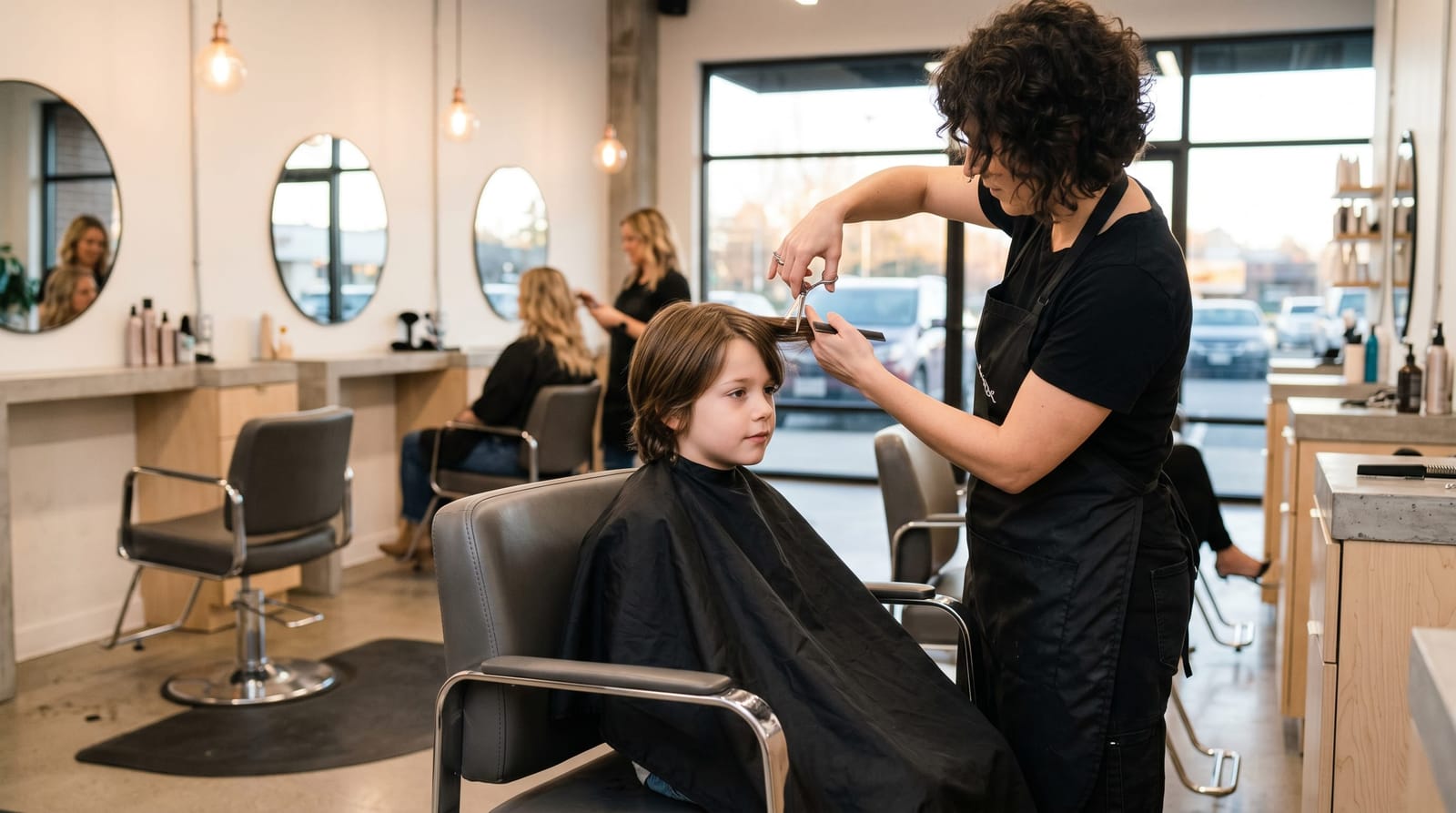
School-age children should get haircuts every 4-6 weeks. This frequency ensures their hair stays within school dress code guidelines and looks neat for school photos, presentations, and social activities. Many families find that scheduling cuts at the beginning of each school quarter works well for consistency. At Substance Salon, we recommend setting recurring appointments at the start of the school year to lock in preferred time slots with a trusted stylist.
Children in this range are highly social, and how they look matters more to them than it did at younger ages. Knowing how often school-age kids should get haircuts helps parents support their child's confidence and self-image during a formative period. Regular haircuts also reinforce good grooming habits that children carry into their teenage years and beyond.
How Hair Type Changes How Often Kids Should Get Haircuts
Your child's hair type is one of the most important variables when deciding how often kids should get haircuts. Different textures and densities wear differently between cuts. Hair type can shift the ideal cutting interval by several weeks in either direction. Understanding this factor helps you avoid both over-cutting and waiting too long.
Fine and Straight Hair
Fine, straight hair shows growth and unevenness more quickly than other hair types. Children with this hair type typically need trims every 4-5 weeks to maintain clean lines. Fine hair is also more prone to split ends because the protective cuticle layer is thinner. When parents ask how often kids with fine, straight hair should get haircuts, the answer leans toward the more frequent end of the spectrum.
The good news is that fine hair cuts quickly. Appointments are typically shorter and less costly. Keeping a consistent 4-5 week schedule for this hair type is both practical and budget-friendly. When you factor in the reduced time per appointment compared to thicker hair types, the cost difference is often minimal over the course of a year.
Thick and Wavy Hair
Thick, wavy hair can often go 6-8 weeks between cuts. The natural texture helps camouflage minor growth. However, without regular trims, thick hair becomes difficult to style and manage, especially during busy school mornings. Parents often underestimate how often kids with thick hair should get haircuts because the style still looks acceptable even when it has grown past its optimal length.
Volume and density in thick hair can also cause heat and discomfort, particularly in warmer months. Children with thick, wavy hair who participate in sports may benefit from more frequent cuts during summer and athletic seasons. Shorter styles improve comfort, reduce styling time, and help children focus on performance rather than managing their hair.
Curly and Coily Hair
Curly and coily hair offers the most flexibility in timing. It often looks great for 8-12 weeks between cuts. The natural curl pattern helps disguise uneven growth, but regular trims are still important to prevent split ends and maintain healthy hair structure. The stylists at Substance Salon are trained in curly hair techniques. They understand that how often kids with curly hair should get haircuts depends heavily on curl pattern tightness and the child's desired style.
Curly hair requires moisture-focused care between appointments. Regular deep conditioning and gentle detangling at home can extend the time between cuts while keeping hair healthy. Parents should know that dry or damaged curly hair may need more frequent trims to remove fragile ends, even if the style itself still looks intact. Our stylists can recommend at-home care routines that protect curl health between visits.
How Often Should Kids Get Haircuts Around School and Activities
School schedules and extracurricular activities directly influence how often kids should get haircuts throughout the year. Most schools require hair to be neat, clean, and not obstruct vision. This means strategic timing of cuts around school events becomes an important part of your planning process.
The back-to-school period is critical for establishing a strong haircut schedule. Getting a fresh cut 1-2 weeks before school starts ensures your child looks polished for those important first impression days. From there, scheduling cuts every 6-8 weeks typically maintains school-appropriate length through the semester. Substance Salon sees a significant increase in family appointments in late August and early January for exactly this reason.
Special school events require planning ahead. Here's how to time haircuts around key dates in the school year:
- Picture day: Schedule cuts 1-2 weeks before to allow hair to settle naturally and avoid the stiff "fresh cut" look
- School performances: Fresh cuts 3-5 days prior ensure a neat appearance without looking overly styled
- Awards ceremonies and graduations: Plan cuts within 2 weeks of the event for a polished, confident look
- Sports seasons: Start each season with a fresh cut and maintain shorter styles throughout for safety and comfort
- Field trips: Ensure hair is at a manageable length for active outdoor activities, especially in warm weather
Many schools specify that hair shouldn't touch the collar, cover the eyes, or extend past the earlobes. These guidelines give parents a concrete signal for when it's time to book an appointment. Knowing how often kids should get haircuts within a school context removes the guesswork and keeps you ahead of any dress code issues.
How Often Should Kids Get Haircuts Based on Lifestyle and Activity Level
A child's daily lifestyle is just as important as age or hair type when deciding how often kids should get haircuts. Active children have different needs than those who prefer quieter activities. Matching your haircut schedule to your child's lifestyle leads to better results, easier maintenance, and fewer bad hair days.
Children who play competitive sports benefit from shorter, more manageable cuts scheduled every 4-5 weeks. Hair that stays out of their face improves focus and safety during games and practices. Swimmers face additional challenges. Chlorine and saltwater exposure weaken the hair shaft and accelerate split end formation. Kids who swim regularly may need trims every 4-6 weeks, regardless of their hair type. Substance Salon recommends a clarifying treatment and trim at the start and end of each swim season to restore hair health.
Outdoor enthusiasts who hike, camp, or spend extended time outside also tend to need more frequent cuts. Exposure to sun, wind, and environmental debris can dry out hair ends quickly. On the other hand, children with quieter indoor routines may comfortably extend their interval by 1-2 weeks beyond the standard recommendation for their age group. Talk to your stylist at Substance Salon about your child's specific routine to dial in the right schedule.
Budget Planning: The Real Cost of How Often Kids Should Get Haircuts
Planning your family's haircut budget requires understanding how often kids should get haircuts and the associated costs throughout the year. The average children's haircut costs between $15-$40, depending on your location, salon, and style complexity. At Substance Salon, we offer competitive pricing for children's cuts and family packages designed to make regular maintenance affordable for every household.
Annual haircut expenses typically break down as follows:
- Toddlers getting cuts every 10 weeks: 5-6 cuts per year ($75-$240 annually)
- Preschoolers getting cuts every 7 weeks: 7-8 cuts per year ($105-$320 annually)
- School-age children getting cuts every 5 weeks: 10-11 cuts per year ($150-$440 annually)
- Multiple children: Family package deals can reduce per-cut costs by 15-25%, making consistent scheduling more accessible
Money-saving strategies include booking appointments during off-peak times. Tuesday through Thursday appointments often cost 10-20% less than weekend slots at many salons. Substance Salon also offers a loyalty program where regular clients receive discounts after a set number of visits, effectively reducing annual costs for families committed to consistent scheduling.
Consider the long-term financial benefit of regular maintenance cuts versus waiting longer between appointments. Hair that is regularly trimmed stays healthier, grows more evenly, and requires fewer corrective cuts. A corrective cut to repair split ends or rebalance an overgrown style often takes twice as long and costs considerably more than a standard maintenance trim. Consistent scheduling is almost always the more cost-effective choice over time.
Signs Your Child Needs a Haircut Sooner Than Scheduled
While general guidelines help establish routine timing, certain signs indicate your child needs a cut before their next scheduled appointment. Knowing how often kids should get haircuts is helpful, but learning to read these signals is equally important. Staying responsive to these cues prevents small issues from becoming bigger, more costly problems.
Watch for these immediate indicators that it's time to book sooner:
- Hair covering the eyes and affecting vision during activities or sports
- Difficulty brushing or styling due to uneven growth or developing tangles
- Split ends becoming visible, especially in blonde or lighter hair
- Hair looking unkempt despite regular washing, conditioning, and styling
- Your child complaining about hair getting in their face during play
- Noticeable loss of the original haircut's shape or structure
- Increased morning routine time due to difficult styling or detangling
Seasonal factors also influence how often kids should get haircuts. Summer activities call for shorter, more manageable styles. Winter months may allow for slightly longer growth between cuts. Paying attention to these seasonal shifts helps you adjust your schedule proactively rather than waiting until hair becomes a daily frustration. Our team at Substance Salon is always happy to help you reassess your schedule when seasons change.
How to Make Regular Haircut Appointments Easier for Kids
One underrated aspect of understanding how often kids should get haircuts is making each visit a genuinely positive experience. Children who enjoy salon visits are far easier to schedule regularly. Fear or resistance to haircuts is one of the most common reasons parents wait too long between appointments. Ironically, this makes each subsequent visit more difficult and stressful for everyone involved.
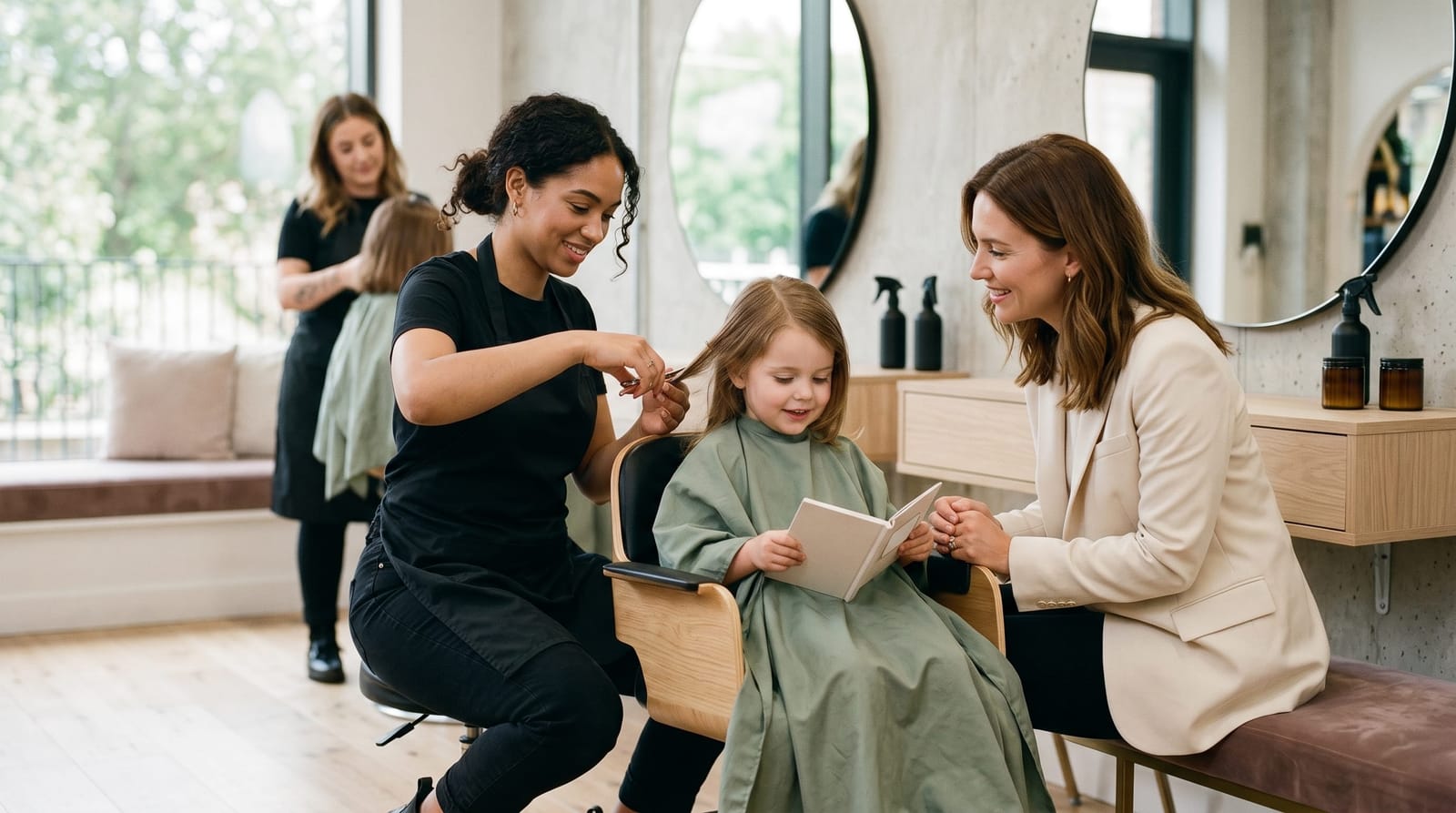
The experienced team at Substance Salon uses several proven strategies to make children's appointments smooth and comfortable. Bringing a favorite toy or small distraction helps redirect nervous energy. Using a cape that fits correctly prevents the discomfort of an oversized drape. Letting children see and approve each step of the process gives them a sense of control. Stylists who specialize in children's cuts know how to work quickly while keeping young clients calm and engaged.
Parents can also prepare children at home before appointments. Talk about the visit in positive, matter-of-fact terms. Avoid phrases like "it won't hurt" because this draws unnecessary attention to discomfort. Instead, focus on the outcome. Saying "You're going to look so great for school pictures" or "Your hair will be out of your eyes for your soccer game" reframes the experience positively. These small language choices make a meaningful difference in how children approach the salon.
Nutrition and Hair Health: What Parents Often Overlook When Scheduling Haircuts
Nutrition plays a direct role in hair growth rate and quality. This affects how often kids should get haircuts more than many parents realize. Children who consume adequate protein, iron, zinc, and biotin tend to have faster-growing, healthier hair. According to research published in the journal Dermatology Practical and Conceptual, nutritional deficiencies are among the leading causes of abnormal hair growth patterns in children.
If your child's hair has suddenly slowed in growth or appears dull and brittle between cuts, nutrition may be a contributing factor. A conversation with your pediatrician can help identify any deficiencies. Meanwhile, the stylists at Substance Salon can assess hair health at each visit and flag concerns they observe. This dual approach, combining professional hair care with attention to overall health, gives children the best foundation for strong, healthy hair.
Foods that support healthy hair growth in children include eggs, lean meats, leafy greens, nuts, and legumes. Staying well-hydrated also contributes to hair health. When nutrition is optimized, hair grows more consistently and predictably, making it easier to establish and stick to a reliable haircut schedule.
Frequently Asked Questions About How Often Kids Should Get Haircuts
How can I tell if my toddler's hair is growing faster than average?
Track your child's hair growth by measuring from the scalp to the longest point each month. Average growth is 0.5 inches per month, but some children grow up to 0.75 inches monthly. If you're trimming every 8 weeks but hair seems unmanageable between appointments, consider shortening the interval to every 6 weeks. The stylists at Substance Salon can assess your toddler's growth rate during a visit and provide a personalized recommendation for how often kids in that growth pattern should get haircuts.
Should active children get haircuts more frequently?
Yes, children involved in sports or outdoor activities often benefit from cuts every 4-5 weeks instead of the standard 6-8 weeks. Shorter, more manageable styles reduce maintenance time and keep hair out of their face during activities. This improves both performance and safety. Activity level is one of the most important lifestyle factors to consider when deciding how often kids should get haircuts, and it's a question the team at Substance Salon hears regularly from sport-active families.
Is it better to maintain the same style or change it up regularly?
For most children, maintaining a consistent style between ages 4-10 is practical and budget-friendly. This allows you to establish a regular cutting schedule and helps your stylist understand your child's hair patterns. Dramatic style changes are better saved for special occasions or natural age transitions. When the style remains consistent, appointments are faster, less stressful, and more affordable. This supports the kind of regular scheduling that makes answering the question of how often kids should get haircuts much simpler.
How do I know if we're cutting too frequently or not enough?
Too frequent cutting results in hair that never gains length or reaches style goals. Insufficient cutting leads to split ends, difficulty styling, and an unkempt appearance. The ideal interval is when hair maintains its shape and manageability throughout the entire period between cuts. If you notice significant deterioration in the final week before an appointment, you're likely on the right schedule. If hair looks overgrown within a week or two of a cut, consider shortening the interval by a week and reassessing from there.
Does the season affect how often kids should get haircuts?
Yes, seasonal changes do affect the ideal cutting schedule. Summer typically calls for shorter styles and more frequent trims due to heat, outdoor activity, and swim season. Winter allows for slightly longer intervals in many cases, though dry indoor heating can cause brittleness that warrants more attention to ends. Substance Salon recommends reviewing your child's haircut schedule at the start of each season to make any necessary adjustments based on their upcoming activities and comfort needs.
Conclusion: How Often Should Kids Get Haircuts
Determining how often kids should get haircuts comes down to balancing age, hair type, school requirements, activity level, and family budget. Most children thrive with cuts every 6-8 weeks. Toddlers can often go 8-12 weeks between trims. Active school-age kids may need appointments every 4-5 weeks. Knowing how often kids should get haircuts removes the guesswork and helps you build a consistent schedule that supports healthy hair, confident mornings, and manageable salon visits year-round.
Regular scheduling creates better long-term results than sporadic, dramatic cuts. When you establish a routine early, children become comfortable with the salon environment, hair stays healthier, and daily styling becomes easier. The professionals at Substance Salon are here to help you determine exactly how often your kids should get haircuts based on their unique hair type, lifestyle, and goals. Book a consultation today and let our team create a personalized haircut schedule that works for your entire family.