How Often Should You Touch Up Hair Color Roots
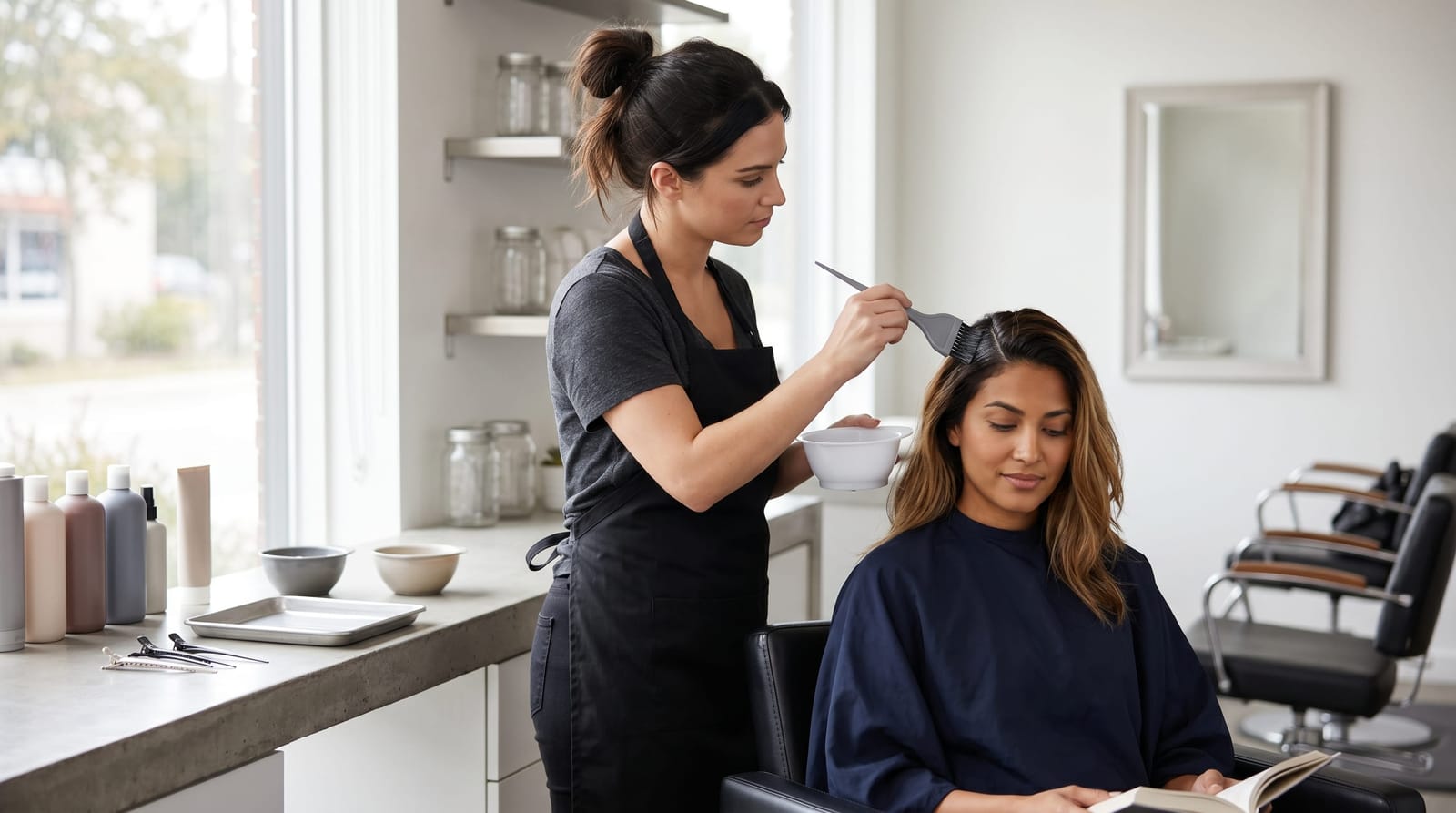
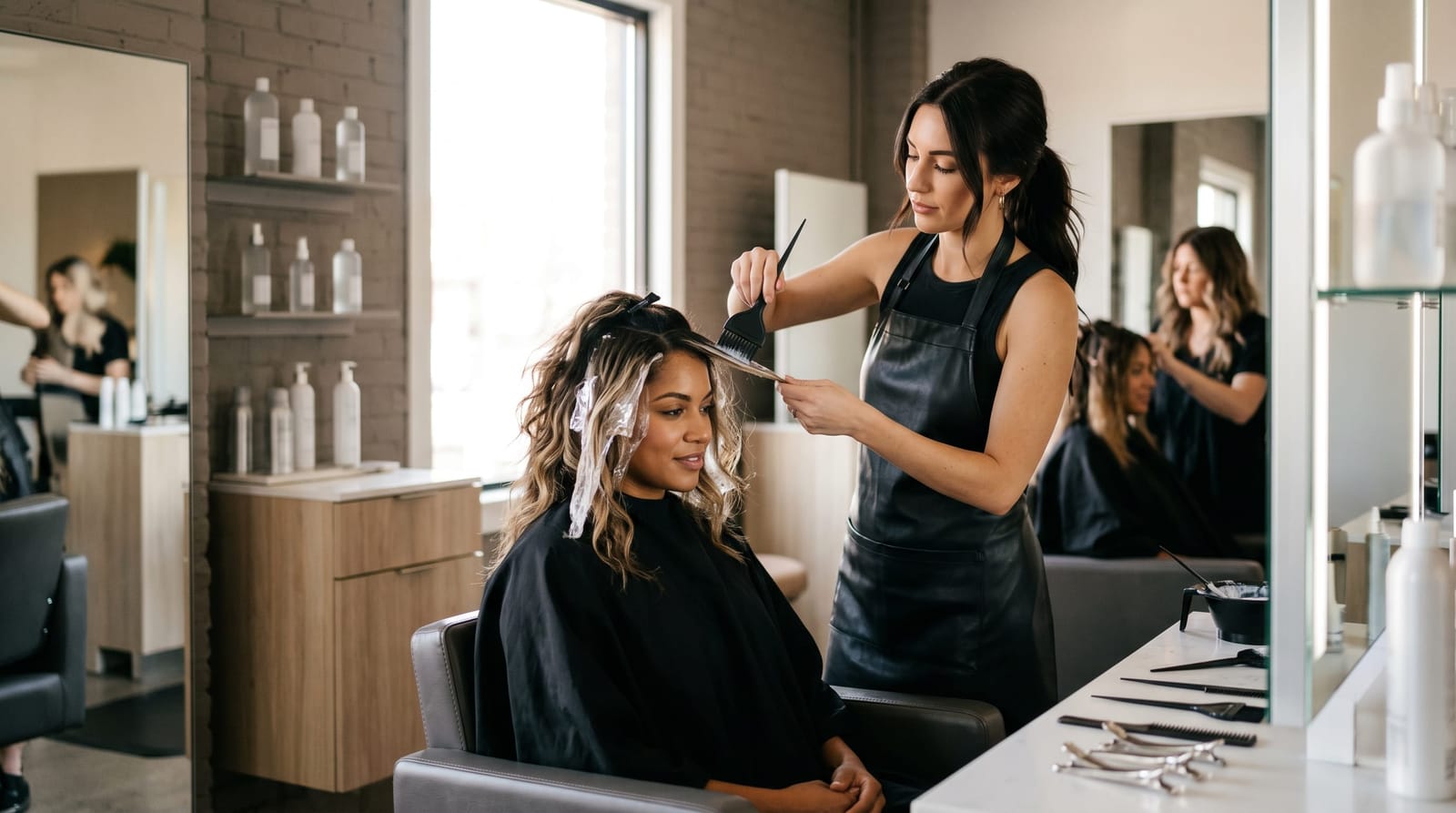
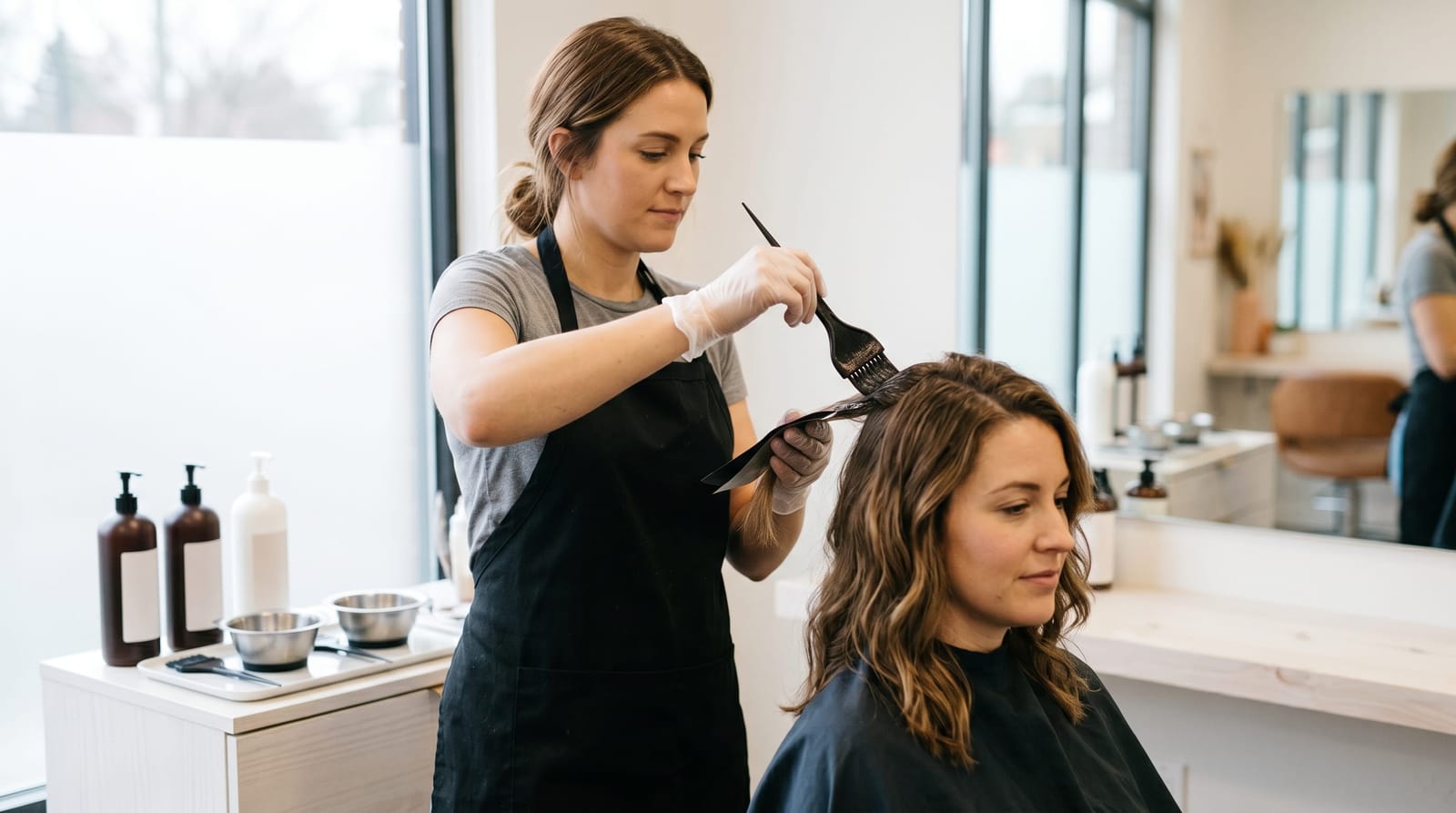
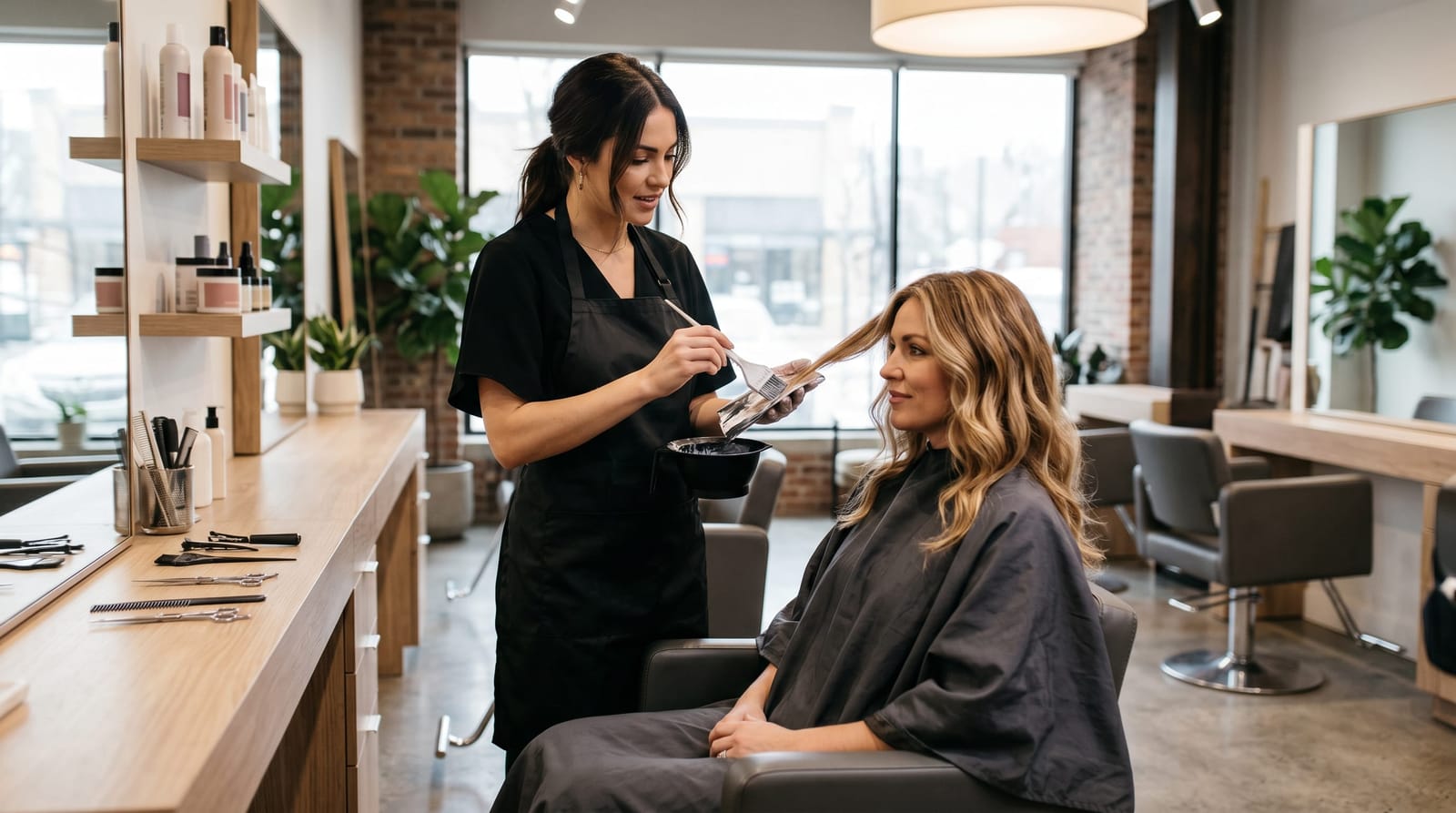
One of the most common questions we hear from clients at Substance Salon is deceptively simple: how often do I actually need to come back in? The honest answer depends on your color technique, your natural hair growth rate, and how much visible contrast you can tolerate between visits. Whether you're maintaining a rich brunette gloss or a dimensional blonde, understanding hair color root touch up frequency helps you plan your schedule, and your budget, with confidence. Here's exactly what you need to know.
The General Rule: What the Numbers Actually Tell You
The most widely cited guideline is a root touch-up every 4 to 6 weeks, but that figure applies specifically to permanent, single-process hair color: think an all-over dye applied from roots to ends. The reason for this relatively tight window comes down to biology: the average person's hair grows approximately half an inch per month, which means after six weeks you're looking at roughly three-quarters of an inch of regrowth. For high-contrast colors, platinum blonde over dark brown roots, for example, that growth becomes visible in as few as two to three weeks.
Semi-permanent and demi-permanent colors, which deposit pigment without lifting your natural shade, fade more gradually. These formulas typically allow you to stretch touch-up appointments to 6 to 10 weeks, sometimes longer, before the line of demarcation becomes noticeable. The trade-off is that these colors don't provide full gray coverage and can't achieve dramatic lightening.
The practical takeaway: most clients maintaining permanent color book 8 to 10 appointments per year, while those using demi-permanent formulas may need only 5 to 7 visits annually. Knowing which category you fall into is step one in building a realistic color maintenance plan.
How Your Color Technique Changes Everything
Not all color services are created equal when it comes to maintenance schedules, and this is where technique matters enormously.
Balayage and Lived-In Color
Balayage is specifically designed with a soft, blended grow-out in mind. Because color is hand-painted onto sections rather than applied uniformly at the root, there's no harsh demarcation line as your hair grows. Most balayage clients comfortably go 12 to 16 weeks between appointments: some even stretch to 6 months for a truly low-maintenance look. This is a significant advantage for busy professionals who can't commit to six-week salon visits. For a deeper look at balayage longevity specifically, see our guide on how long does balayage last and what factors influence fading over time.
Traditional Highlights (Foils)
Full foil highlights create a more uniform brightness but also produce a more visible root line as hair grows. Most clients with traditional foil highlights find they need a touch-up every 6 to 8 weeks to maintain a polished look. Partial highlights, which concentrate color around the face and crown, can sometimes extend to 10 weeks before looking noticeably grown out.
Root Smudge and Shadow Root Techniques
A root smudge, where a slightly darker tone is blended at the root, can add 4 to 6 additional weeks to your color maintenance schedule by softening the contrast between new growth and colored hair. This technique has become increasingly popular at Substance Salon among clients who want the brightness of highlights without the demanding upkeep.
Factors That Affect Your Personal Timeline
Beyond technique, several individual factors push your touch-up frequency earlier or later than the average benchmarks.
- Hair growth rate: The average is 0.5 inches per month, but some people grow closer to 0.75 inches monthly: a 50% faster rate that compresses your maintenance window noticeably.
- Gray coverage needs: Clients with 50% or more gray hair typically need permanent color and often find the 4-week mark is their realistic threshold before coverage looks patchy.
- Color contrast: The greater the difference between your natural root color and your colored shade, the faster regrowth becomes visible. A dark brown client going to platinum blonde may feel uncomfortable after just 3 weeks, while a natural level 6 brunette with level 7 gloss may comfortably wait 8 weeks.
- Sun exposure: UV rays accelerate color fading: particularly for blondes. Clients who spend significant time outdoors may see their color shift noticeably within 4 to 5 weeks, even with quality color protection products.
- Wash frequency: Hair washed daily loses color pigment faster. Clients who wash 2 to 3 times per week typically extend vibrancy by 1 to 2 weeks compared to daily washers.
A Practical Schedule for Busy Professional Women
For professional women juggling demanding careers and full schedules, the goal isn't just great color: it's color that works with your life rather than dictating it. Here's how to think about building your maintenance calendar:
- Anchor around major events: Schedule touch-ups two weeks before anything high-visibility: a board presentation, a milestone birthday, a wedding. Color looks its freshest at the 7 to 14-day mark post-appointment, after the cuticle has settled and shine is optimal.
- Book your next appointment before you leave: The easiest way to fall behind on color is letting weeks slip by before scheduling. Booking at checkout ensures you hold a desirable slot.
- Consider a tonal gloss between full appointments: A glossing treatment takes 20 to 30 minutes and refreshes vibrancy without a full color application. Many clients add a gloss at the 6-week mark to carry them comfortably to a full appointment at week 12.
- Use root concealer strategically: High-quality root touch-up sprays and powders can extend your look by 1 to 2 additional weeks without compromising your next salon service. Ask your colorist which products are compatible with your specific formula.
Frequently Asked Questions
What happens if I wait too long between root touch-ups?
Beyond the aesthetic concern of visible roots, waiting significantly longer than your recommended interval can create what colorists call a "line of demarcation": a harsh, clearly defined boundary between new growth and processed hair. This is harder to blend seamlessly and may require additional corrective work. For permanent color clients, waiting beyond 10 to 12 weeks consistently can also make the color application more time-consuming and costly.
Is it damaging to touch up roots too frequently?
Yes: over-processing is a real concern. Applying permanent color to the same sections of hair repeatedly causes cumulative damage. This is why professional colorists are trained to apply fresh color only to new growth, avoiding overlap onto previously colored hair. If your current schedule feels too frequent, discuss alternative techniques like balayage or a root shadow with your stylist, which are specifically designed to reduce how often you need to return.
Can I touch up my roots at home between salon visits?
At-home root touch-up products exist, but they carry risks: particularly for highlighted or balayage clients where precise application matters. A color mismatch from a box formula can complicate your next professional service. For clients who want to DIY between appointments, a root concealer spray (not a permanent dye) is generally the safest option. Always inform your colorist about any at-home products you've used.
How does gray percentage affect my touch-up schedule?
Clients with less than 25% gray often have more flexibility in their schedule since natural pigment still dominates. Those with 25 to 50% gray typically need permanent color and should plan for 5 to 6-week intervals. Clients with more than 50% gray, or fully white hair, need the most consistent scheduling, as even one week of new growth is highly visible against a colored shade.
Your Root Touch-Up Schedule, Simplified
The right hair color root touch up frequency isn't a one-size-fits-all answer: it's the intersection of your color technique, natural growth rate, gray coverage needs, and lifestyle. Permanent single-process clients typically need every 4 to 6 weeks; foil highlight clients can often wait 6 to 8 weeks; and balayage clients enjoy the most flexibility at 12 to 16 weeks or beyond. The best thing you can do is have an honest conversation with your colorist about your tolerance for visible roots and your availability for appointments. A well-planned color strategy means you always look polished, without color running your calendar.