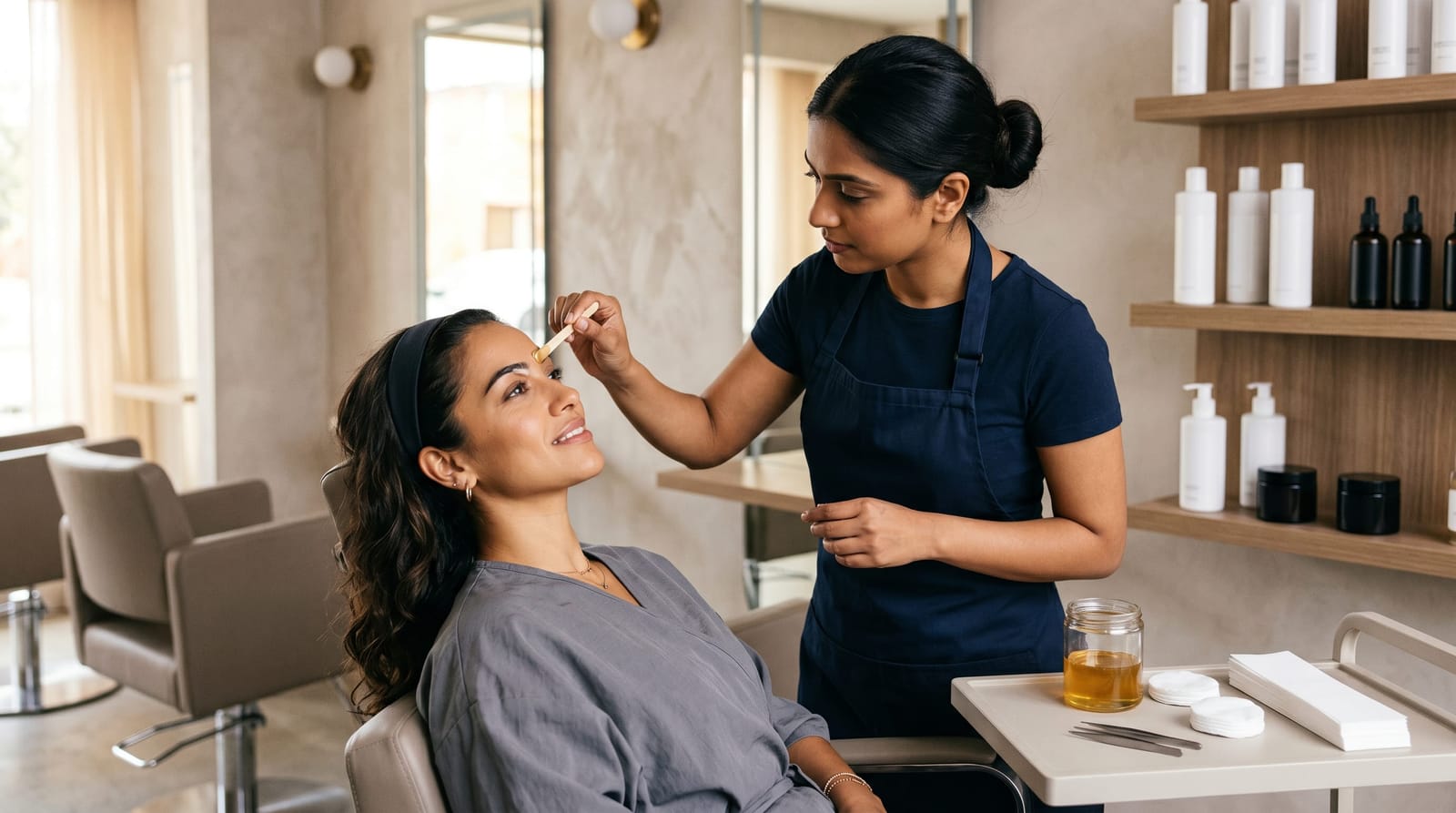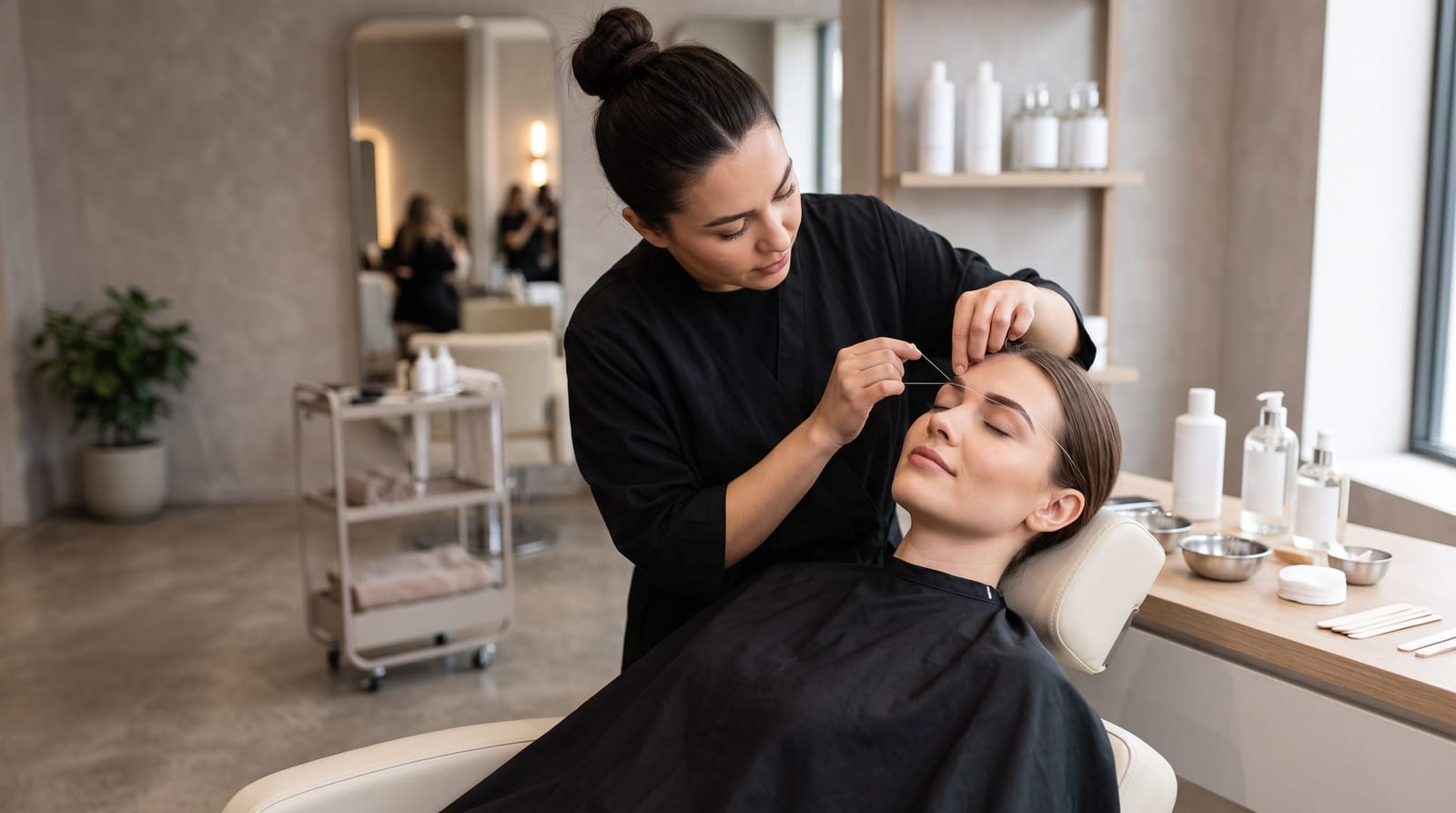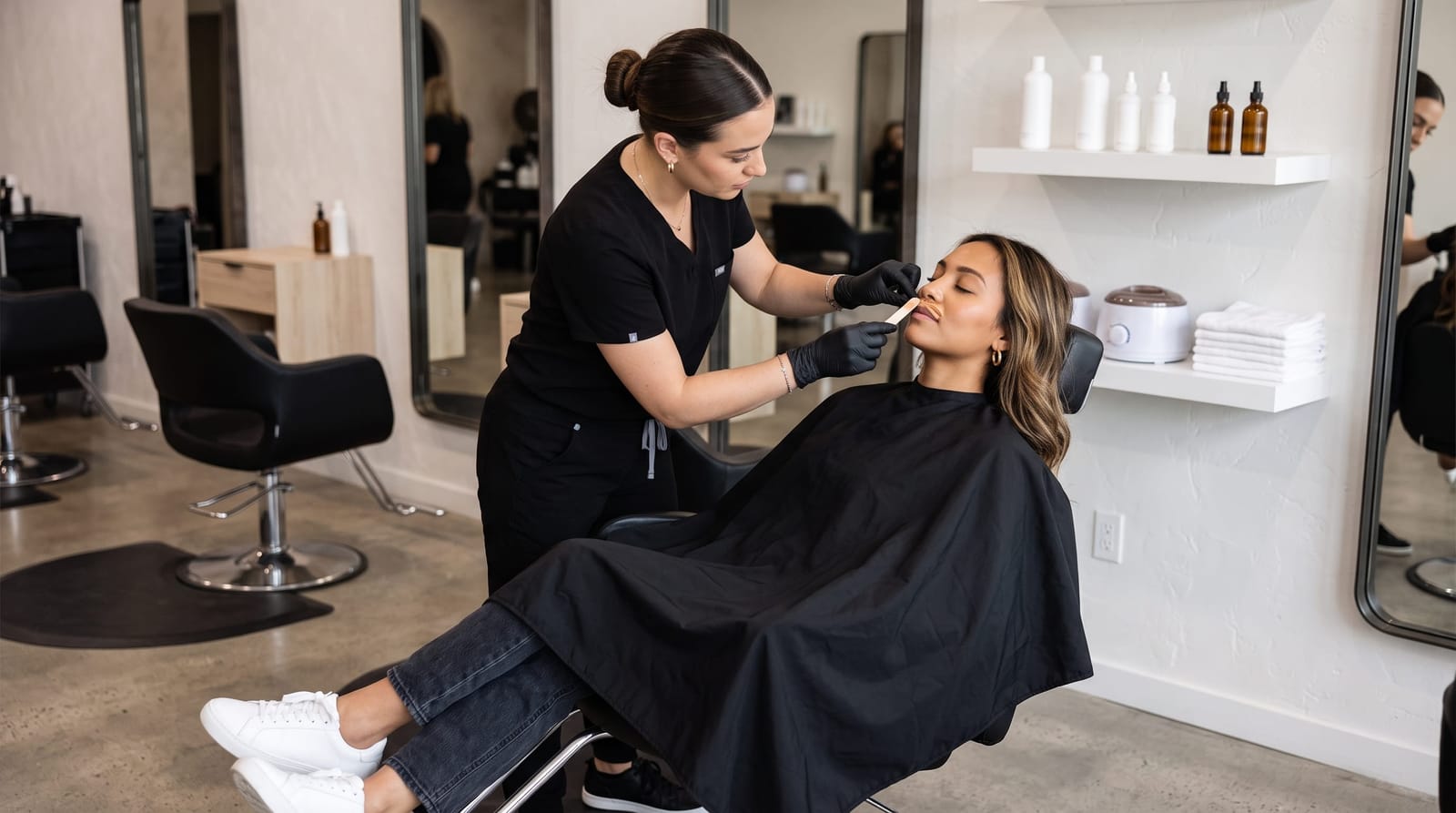
Professional Facial Waxing at a Salon: Eyebrows, Lip, and Everything You Need to Know
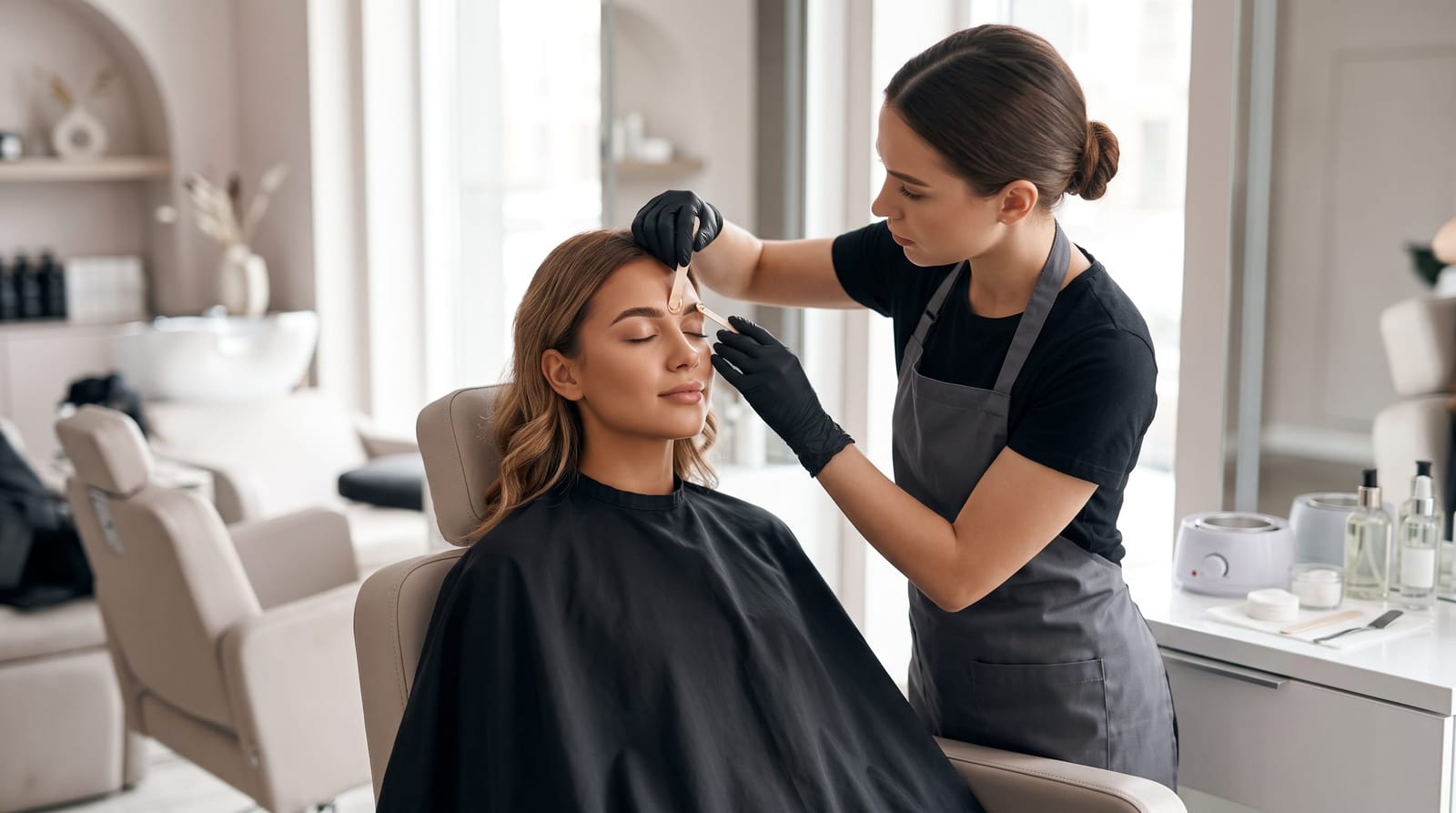
There is a reason your brows can make or break a look. A well-shaped brow lifts the entire face, frames your eyes, and gives you that polished, pulled-together finish that no amount of makeup can fully replicate. And yet, so many people are still winging it at home with drugstore strips or spending their lunch break at a rushed kiosk that treats every face the same way.
Professional facial waxing at a salon is a different experience entirely, and if you have never had it done properly, or if you are still on the fence about eyebrow waxing vs threading, this guide is going to answer every question you have been quietly wondering about. We are covering it all: how waxing actually works, how it compares to threading and tweezing, what your first appointment looks like, how to care for your skin afterward, and how to stay on a maintenance schedule that keeps your brows consistently sharp.
Whether you are coming in for your eyebrows, your upper lip, or both, you deserve to understand exactly what is happening, why it works, and how a skilled professional makes all the difference. Let's get into it.
How Professional Facial Waxing Actually Works
Waxing is one of the oldest and most reliable methods of hair removal, but modern professional waxing is significantly more refined than what most people imagine. Here is the basic science: a warm, pliable wax is applied to the skin in the direction of hair growth. When removed, either with a fabric strip or without one, depending on the wax type, it pulls the hair from the root, leaving the follicle empty rather than just cutting the hair at the surface the way shaving or dermaplaning does.
Because the hair is removed from the root, regrowth takes considerably longer. On average, most clients see regrowth begin between two and four weeks after a professional wax, and the hair that grows back tends to feel softer and finer over time with consistent appointments.
Hard Wax vs. Soft Wax for Facial Services
There are two primary wax formulas used in professional facial services, and understanding the difference matters, especially for the more delicate areas of your face.
- Hard wax is applied warm, hardens as it cools, and is removed without a strip. It is ideal for sensitive areas like the brow line, upper lip, and chin because it grips the hair rather than the skin, making the process gentler overall. Most professional salons use hard wax exclusively for facial services.
- Soft wax is applied thin and removed with a muslin or fabric strip. It is highly effective for larger body areas but tends to be used less frequently on delicate facial skin because of the added pull on the skin's surface.
At a quality salon, your esthetician will select the right formula based on the treatment area, your skin type, and any sensitivities you mention at the start of your appointment. This is one of the clearest advantages of professional waxing over at-home kits, which rarely account for these nuances.
Eyebrow Waxing vs Threading: An Honest Side-by-Side Look
This is probably the most common question we hear in the salon, and it deserves a thoughtful answer rather than a blanket endorsement of one method over the other. Both eyebrow waxing and threading are legitimate professional techniques. Both remove hair from the root. And both, when done well, can produce clean, beautifully shaped brows. The differences come down to skin type, precision, speed, and personal preference.
What Is Threading?
Threading uses a thin, twisted cotton thread that is maneuvered across the skin to trap and pull individual hairs or small rows of hair at the follicle. It is a technique with deep roots in South Asian and Middle Eastern beauty traditions and has become widely practiced in professional settings globally. Because no product touches the skin, only the thread, it is often recommended for clients with very reactive or acne-prone skin who are concerned about product sensitivity.
What Is Eyebrow Waxing?
Eyebrow waxing uses a thin layer of warm wax applied precisely to the areas around the brow to remove multiple hairs at once in a single, swift motion. A skilled esthetician maps the brow shape before applying any wax, ensuring the removal is intentional and symmetrical. According to research from professional waxing educators, waxing removes hair approximately 30% faster than threading for the same treatment area, which is a meaningful difference when you factor in facial sensitivity and the client's overall comfort during the appointment.
Key Differences to Know
- Speed: Waxing is generally faster. A professional brow wax typically takes 10 to 15 minutes. Threading the same area often takes 15 to 25 minutes, depending on the density of hair and the complexity of the shape being created.
- Precision: Threading allows for individual hair removal, which some technicians prefer for very detailed work. However, an experienced esthetician using a fine-tipped hard wax application can achieve equally precise results with waxing, and can cover larger unwanted growth zones more efficiently.
- Skin sensitivity: Threading does not use product, making it appealing for those with certain product allergies. That said, clients with acne-prone skin or clogged pores should note that threading can sometimes cause mechanical irritation if the thread passes repeatedly over inflamed areas. Waxing with a high-quality hard wax and proper pre/post-care tends to be very well-tolerated even by clients with moderately sensitive skin.
- Longevity: Both methods remove hair from the root, so regrowth timelines are comparable: typically two to four weeks for most facial areas.
- Results consistency: Many clients report that professional brow waxing delivers more consistent, symmetrical results across appointments because the wax application can be precisely controlled and repeated in the same pattern.
The bottom line on eyebrow waxing vs threading? Both methods work. Your best choice depends on your skin type, your brow goals, and, most importantly, the skill of the professional doing the work. When in doubt, discuss both options with your esthetician at your first consultation. A good technician will be honest about which approach suits your specific skin and brow shape best.
Facial Waxing Beyond the Brows: Lip, Chin, and More
Eyebrow shaping gets most of the attention, but professional facial waxing covers several other areas that clients frequently ask about, and appreciate once they experience them professionally.
Upper Lip Waxing
Upper lip waxing is one of the most requested facial waxing services, and it is one of the most satisfying. The upper lip is a very sensitive area, and the difference between an at-home experience and a professional one is significant. A trained esthetician works quickly, uses a hard wax formulated for sensitive skin, and applies proper tension to the skin during removal to minimize discomfort. The result is a clean, smooth upper lip with results that last two to four weeks on average.
A survey of salon clients found that approximately 68% of women who wax their upper lip professionally report that the discomfort is much less than they expected before their first appointment, and that the skin recovers noticeably faster when proper aftercare is followed.
Chin and Jawline Waxing
Chin hair is extremely common and can range from fine, light hairs to coarser, more noticeable growth along the jawline. Waxing this area is efficient and clean, with results that hold well because the hair is removed from the root rather than cut at the surface. Clients who previously tweezed their chin often find that professional waxing produces smoother skin texture over time, as repeated tweezing can occasionally cause ingrown hairs if done without proper technique.
Brow Area Cleanup and Full Facial Wax
Some clients opt for a full facial wax that addresses the brows, upper lip, chin, and sometimes the sides of the face (sometimes called sideburns or peach fuzz removal). Professional salons approach this as a cohesive service, ensuring that each area complements the others and that the overall facial framing looks intentional and balanced rather than patchy.
Expert Tips for Your First Professional Facial Waxing Appointment
If you are new to professional facial waxing, knowing what to expect makes the experience significantly more comfortable and ensures better results. Here are the tips that actually matter, from the perspective of someone who has seen every type of first-appointment concern.
Tip 1: Arrive with Clean, Dry Skin
Skip heavy moisturizer, sunscreen, or makeup around the areas being waxed on the day of your appointment. A light, clean face allows the wax to grip the hair properly and reduces the risk of the product sliding rather than adhering. Your esthetician will cleanse the area before beginning, but starting without heavy product buildup helps.
Tip 2: Let Your Hair Grow to the Right Length
For eyebrow waxing to work effectively, the hair needs to be long enough for the wax to grip: ideally at least one-eighth to one-quarter of an inch. If you have been obsessively tweezing in the weeks leading up to your appointment, let your brows grow in for at least two to three weeks beforehand. More hair gives your esthetician more to work with when shaping your ideal brow architecture.
Tip 3: Communicate Your Brow Goals Clearly
Come prepared to describe what you are looking for: more arch, a straighter brow, more defined edges, or just a cleaned-up version of what you already have. Bring reference photos if it helps. A skilled esthetician will always consult with you before applying any wax, but the more specific you can be, the better the outcome.
Tip 4: Mention Any Skin Sensitivities or Products You Use
Certain skincare ingredients, particularly retinoids, retinol, and some prescription topical treatments, can make the skin more reactive during waxing. If you use any of these, let your esthetician know before your appointment so they can advise you appropriately. This is general guidance, and for specific questions about your skin's response to any treatment, it is always a good idea to consult with your dermatologist or skincare provider.
Tip 5: Plan Timing Around Your Schedule
Mild redness and slight sensitivity in the waxed area is completely normal and typically resolves within a few hours for most clients. Avoid scheduling your facial waxing appointment immediately before a big event, a workout, or extended sun exposure on the same day. Giving your skin even half a day to settle makes a noticeable difference in how your skin looks and feels.
Managing Sensitivity and Pain: What Is Normal and What to Watch For
Pain tolerance for facial waxing varies widely from person to person, and the same client's experience can vary appointment to appointment depending on hormonal cycles, stress levels, hydration, and skin condition on any given day. That said, most clients describe professional facial waxing as a quick, sharp sensation, not prolonged discomfort, particularly when a skilled technician is working efficiently with quality products.
The upper lip is generally considered the most sensitive facial waxing area for most people, followed by the brow bone area, with the chin typically being the most comfortable. What makes a meaningful difference in the pain experience is the esthetician's technique: proper skin tension, confident and swift removal, and wax that is the right temperature all reduce the intensity of the sensation significantly.
What Is Normal After Waxing
- Redness that resolves within one to three hours
- Minor pinkness or warmth in the treated area for up to 24 hours on sensitive skin
- A slight tightness or tingling sensation immediately after the service
- Occasional very small bumps that typically clear within 24 to 48 hours
When to Reach Out
If you experience prolonged irritation, unusual breakouts that persist beyond 48 to 72 hours, or any skin response that seems excessive or concerning, it is worth reaching out to your salon to discuss what may have contributed, and, for anything that suggests a skin reaction, consulting with a skincare professional or dermatologist is always the right call. These situations are uncommon with professional waxing and proper aftercare, but they are worth being aware of.
Facial Waxing Aftercare: How to Protect Your Skin Between Appointments
Aftercare is where a lot of people shortchange themselves, and it makes a measurable difference in both how your skin looks and how comfortable your next appointment will be. The skin immediately after waxing is more open and receptive, which means it absorbs products more readily and is also more vulnerable to irritation if you are not careful.
The First 24 Hours
- Avoid heat: Skip saunas, steam rooms, hot showers directed at the face, and heavy exercise that generates facial flushing for at least 24 hours after your appointment.
- Skip active skincare ingredients: Hold off on exfoliating acids, retinol, vitamin C serums, or any other potentially irritating products around the waxed area for at least 24 hours, ideally 48 hours.
- Keep it clean: Use a gentle, fragrance-free cleanser if you wash your face the same day. Avoid rubbing or scrubbing the waxed areas.
- Sunscreen is your friend: Freshly waxed skin is more photosensitive. Apply a mineral sunscreen if you are heading outdoors: this is a good habit regardless of season.
Ongoing Skin Care Between Appointments
Gentle exfoliation two to three times per week starting about a week after your wax can help prevent ingrown hairs by keeping dead skin cells from trapping regrowing hair. A soft washcloth or a mild enzyme exfoliant works well for facial skin. Keeping the skin moisturized and protected from UV exposure between appointments also contributes to better waxing results over time: healthy, well-hydrated skin releases wax more cleanly and tends to experience less post-wax sensitivity.
Building a Maintenance Schedule That Works for Your Brows
One of the things clients love most about professional facial waxing is the predictability of it. Once you establish a schedule, your brows stay consistently polished rather than cycling through weeks of looking overgrown and then requiring aggressive cleanup every time.
For most clients, a professional brow wax every three to four weeks is the sweet spot. This aligns with the average hair growth cycle for facial hair, which completes a full growth phase approximately every 28 to 35 days. Staying on this schedule means your esthetician is working with manageable regrowth at each appointment, which translates to less hair to remove, a more comfortable service, and a consistently refined result.
Upper lip waxing often moves faster, with many clients finding that a two-to-three-week schedule works best for them given how visible even fine lip hair can be. Chin and jawline waxing timelines vary more widely depending on individual hair growth speed and density: some clients maintain perfectly with a monthly appointment, while others prefer coming in every three weeks.
The most important thing to understand about maintenance is that the results improve over time. Clients who have been consistently waxing the same areas for six months to a year often report that their hair grows back finer, sparser, and more slowly than it did when they first started. This is not a guaranteed outcome for every person, hair growth is influenced by genetics, hormones, and other individual factors, but it is a commonly observed benefit of long-term professional waxing.
Why the Professional Difference Matters
There is a meaningful gap between a professional facial waxing service and a quick strip at home, and most of it comes down to skill, product quality, and attention to detail. Professional estheticians are trained to assess brow architecture relative to your unique face shape: the distance between your eyes, the natural arch of your bone structure, your brow density, and how your brows relate to the rest of your facial features. None of that assessment happens with an at-home kit.
Beyond brow mapping, professionals use wax formulations that are specifically designed for facial skin: typically free from harsh resins and formulated to minimize irritation. They control wax temperature precisely (overheated wax is one of the most common causes of skin irritation in at-home waxing), apply proper pre-wax prep, and use post-wax soothing products to calm the skin immediately after the service.
The result is not just cleaner brows. It is a more comfortable experience, better skin response, and results that last longer and look more intentional, because they are.
Deep Dive Topics: Explore the Full Facial Waxing Guide
The sections above give you a strong foundation for understanding professional facial waxing: what it is, how it compares to other methods, and how to get the most from every appointment. If you want to go deeper on any specific area, we have put together dedicated guides that cover each topic in full detail.
- Brow Waxing Maintenance and Timing: How often should you actually be coming in? What happens if you wait too long between appointments? Our guide on how often eyebrow waxing maintenance breaks down the ideal schedule based on your hair growth speed and lifestyle, so you can keep your brows looking intentional all month long, not just the week after your appointment.
- Waxing Before a Special Event: There is an art to timing your brow wax before a wedding, a photoshoot, or any event where you want to look your absolute best. The spacing matters more than most people realize. Get the full breakdown on how often eyebrow waxing maintenance before big events, including exactly how many days in advance gives your skin time to settle while keeping results at their sharpest.
- Everything About Lip Waxing: Upper lip waxing is one of the most commonly requested facial services, and one of the most misunderstood. Our complete guide on lip waxing benefits aftercare covers what to expect during the service, how long results last, and exactly how to care for your skin in the days following your appointment.
- Eyebrow Waxing vs Threading: The Full Comparison: We touched on the key differences above, but if you are still weighing your options or want to understand how each method affects your specific brow shape, our in-depth piece on eyebrow waxing vs threading goes further: comparing precision, skin response, longevity, and which approach tends to suit different brow types and goals.
Final Thoughts: Precision, Care, and Brows That Actually Fit Your Face
Great brows are not about following a trend or chasing a specific shape that looks perfect on someone else. They are about understanding the structure you already have and refining it with intention and skill. That is what professional facial waxing, done well, actually delivers, not a cookie-cutter result, but a precise, personalized service that starts with looking at your face and working with it.
Whether you are exploring the eyebrow waxing vs threading debate, ready to try your first upper lip wax, or simply looking for a salon experience that takes the time to do it right, the foundation is the same: find a skilled professional, communicate what you want, and commit to a consistent maintenance schedule. The results compound over time, and so does the confidence that comes with them.
Ready to experience the difference? Book your facial waxing appointment at Substance Salon and let us show you what precision-focused, personalized waxing actually looks like.