Wedding Makeup Trial in NJ: How to Book and What to Prepare
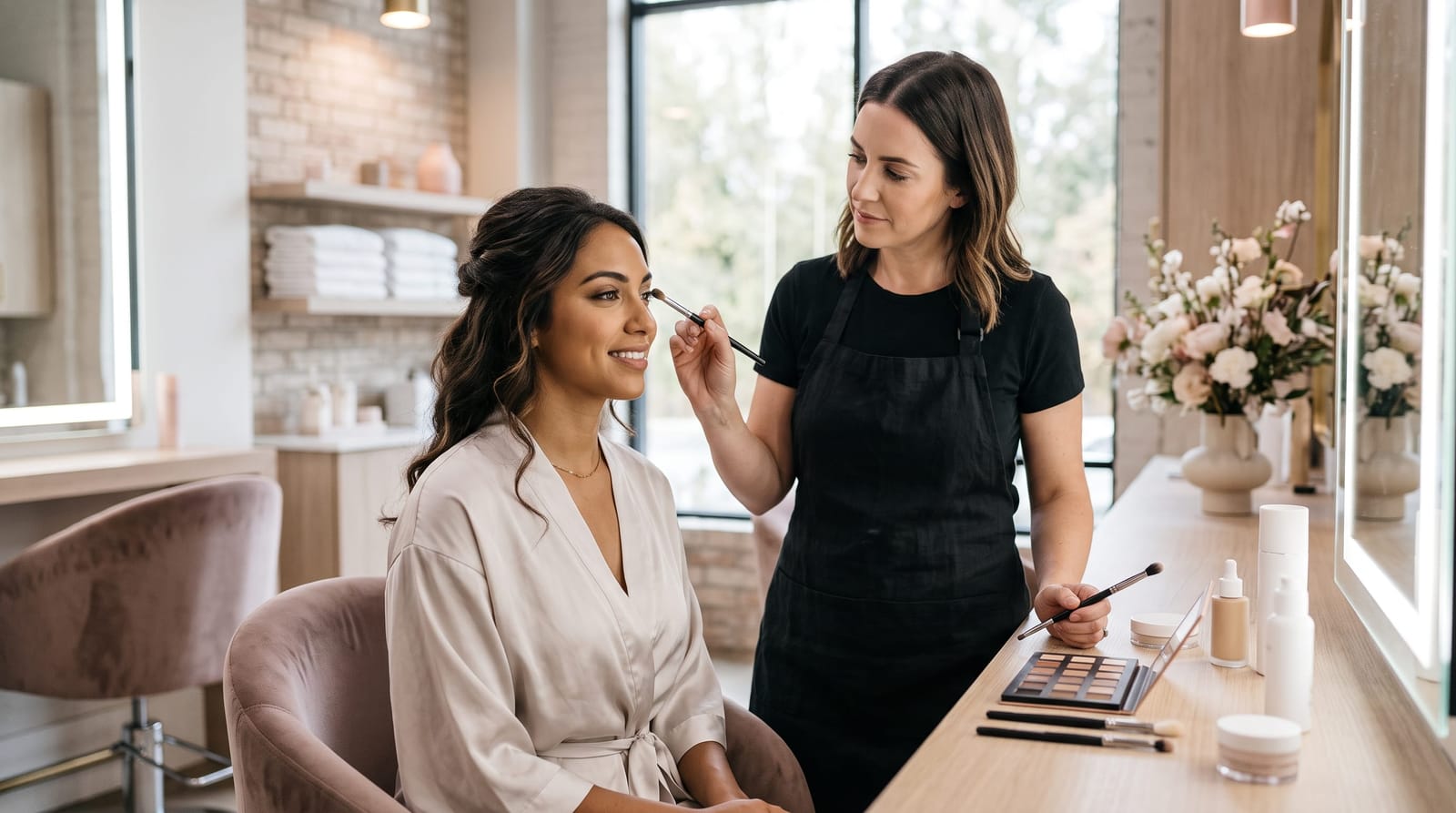
A wedding makeup trial gives you time to test the look, see how it wears and make adjustments before your wedding. When booking, share your wedding date, getting-ready location and makeup preferences, then clarify the appointment length, fee and what it includes. Schedule the trial with enough room afterward to review photos, share feedback and revisit the look if needed.
When to Schedule Your Wedding Makeup Trial
A useful time for a trial is when your overall wedding style has taken shape, but there is still room to refine the details. You do not need every accessory selected. Having a sense of your outfit, hairstyle and preferred makeup direction gives the appointment a clear starting point.
Keep the trial appointment and wedding-day reservation separate in your planning. Do not assume that booking a trial reserves your wedding date. Clarify how each appointment is secured, especially if you want to evaluate the trial before committing to wedding-day makeup.
If you want to pair your trial with engagement photos, consider the tradeoff: you can see the makeup in photographs, but you will also be testing a look you have not worn before. Allow time between the appointment and the shoot for adjustments. If you want the trial to be purely experimental, keep it separate from important photos.
What to Clarify When You Book
At Substance Salon in Rutherford, we offer makeup services, hair styling and consultations. Clear details about your plans and preferences give us a useful starting point for discussing your look.
For a wedding makeup trial, include these details in your booking conversation:
- Your wedding plans: Share the date, getting-ready location and time you need to be ready for photographs, rather than only the ceremony time.
- The makeup direction: Explain whether you want to refine your everyday style or explore something more defined. Mention elements you want to test, such as lashes or a bolder lip.
- The appointment scope: Clarify how much time is reserved and whether the session covers one complete look or allows for variations.
- The fee and inclusions: Request the trial price, any separate charges and the terms for changes or follow-up appointments. Clarify whether the trial fee is separate from the wedding-day booking.
- Continuity: Ask whether the person doing the trial will also do your wedding makeup and how the agreed look will be recorded.
What to Bring to Your Wedding Makeup Trial
A Focused Selection of Inspiration Images
Choose a small set of references and identify what you like in each: softly defined eyes, a fresh-looking complexion, a particular lip shade or fuller-looking lashes. This is more useful than presenting several very different looks without explaining the appeal.
Images with a similar skin tone or eye shape can help the conversation, but they are a starting point, not a template. A photo of your usual makeup also helps your artist understand what feels familiar to you.
Your Usual Skincare and Makeup Details
Follow the appointment’s preparation instructions. Bring a list or photos of products you regularly use, and mention any known sensitivities or products that have caused discomfort. Share practical observations, such as shine through your forehead and nose, dry patches or foundation that tends to settle into lines.
If you have a favorite lip color or foundation, bring the name or shade information. You do not need to buy a new makeup collection for the trial.
Accessories and Hair References
Bring manageable accessories, such as earrings or a headpiece, if you want to see them alongside the makeup. Photos work well for pieces you cannot bring. Share your planned hairstyle or pictures from a hair trial, especially if your hair will frame your face differently from your everyday style.
A Photo of Your Wedding Outfit
A photo showing the neckline, color and overall style provides helpful context. Your outfit does not dictate your makeup, but seeing the elements together can help you decide how much definition or color feels balanced.
What to Focus on During the Appointment
Start by explaining how you want to feel, then translate that into visible details. “Natural” might mean light coverage to one person and neutral colors with defined lashes to another. Specific preferences give your artist something clear to work with.
Discuss any competing ideas before application begins. If you are torn between a soft neutral eye and a smoky look, agree on what can be explored within the booked session rather than assuming there is time for two complete applications.
As the look develops, give feedback about both appearance and comfort. Useful comments include “I would like more of my skin to show through” or “The lip color feels stronger than I expected.” If something feels uncomfortable, mention it during the appointment rather than waiting until afterward.
When comparing natural vs glam makeup looks, you do not have to choose one fixed category. Soft skin makeup with a defined eye, or understated eyes with a richer lip, can be a more personal direction.
Before leaving, look at the finished makeup in natural and indoor light where possible. Check it close up and from conversational distance. Take photos without beauty filters so you have a useful record of the look.
How to Refine and Confirm Your Final Look
The wear test after your appointment is part of the trial. Keep the makeup on through ordinary activities and note what you like, what changes and what needs attention.
- Save clear photos. Include a front view and side views, plus a photo with your eyes closed to record the eye makeup.
- Check comfort and wear. Notice whether the base feels comfortable, eye makeup transfers or lip color needs refreshing after eating and drinking.
- Send specific feedback. “The foundation looked darker later in the day” is more useful than “The base was not quite right.” Share photos alongside your observations.
- Record agreed changes. Keep a written note of the final direction, including adjustments such as softer brows, less shimmer or a different lip shade.
- Discuss touch-ups. Identify which products may be useful during the wedding and who will keep them accessible.
Understanding how long professional makeup lasts can also help you plan touch-ups around photographs, meals and the reception. Use your trial’s wear test to make that plan more specific to your makeup and schedule.
Frequently Asked Questions
Do hair and makeup trials need to be on separate days?
Not necessarily. Having them on the same day lets you assess the complete look together, while separate appointments give each service its own time and attention. Coordinate the order and appointment lengths before combining them. If they happen separately, take clear photos to share at the next appointment.
Can I bring someone to my makeup trial?
Check the appointment’s guest policy before making plans. If guests are welcome, choose someone who understands your style and can give focused feedback. Their perspective can help, but your comfort with the makeup is the deciding factor.
What if I do not love the result?
Identify whether the concern is one detail or the overall direction. A different lip shade or softer liner is a different conversation from changing the entire look. Explain what feels unlike you and agree on the next step with your artist. A substantial change may be worth testing in another appointment rather than leaving it until the wedding day.
A Clear Plan for a Look That Feels Like You
The most useful outcome of a trial is a shared plan: the makeup you want, the refinements you have agreed on and the touch-ups that fit your day. Inspiration helps start the conversation. Your feedback, comfort and wear test help make the final look your own.