Can You Color Hair After Smoothening Treatment
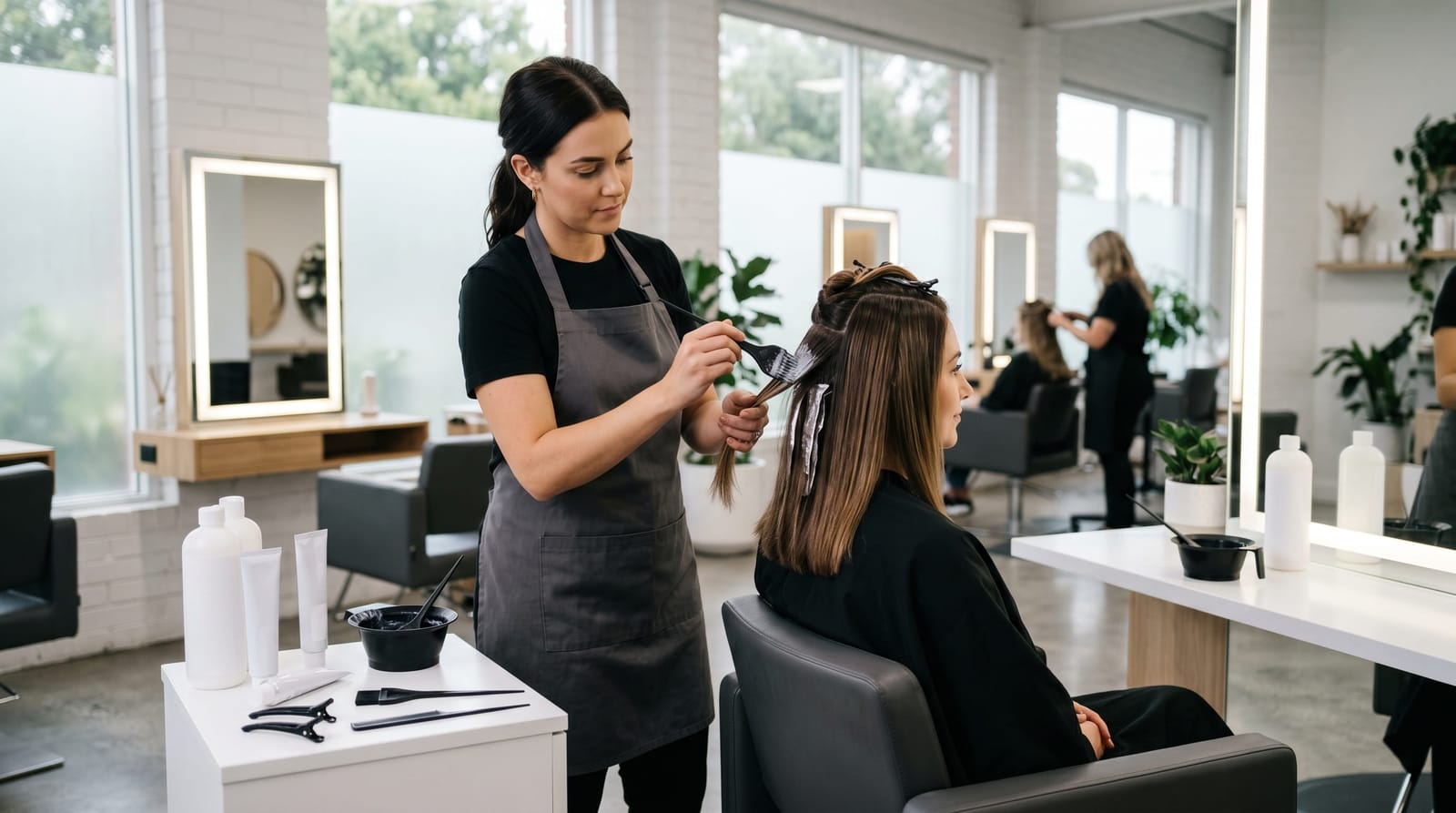
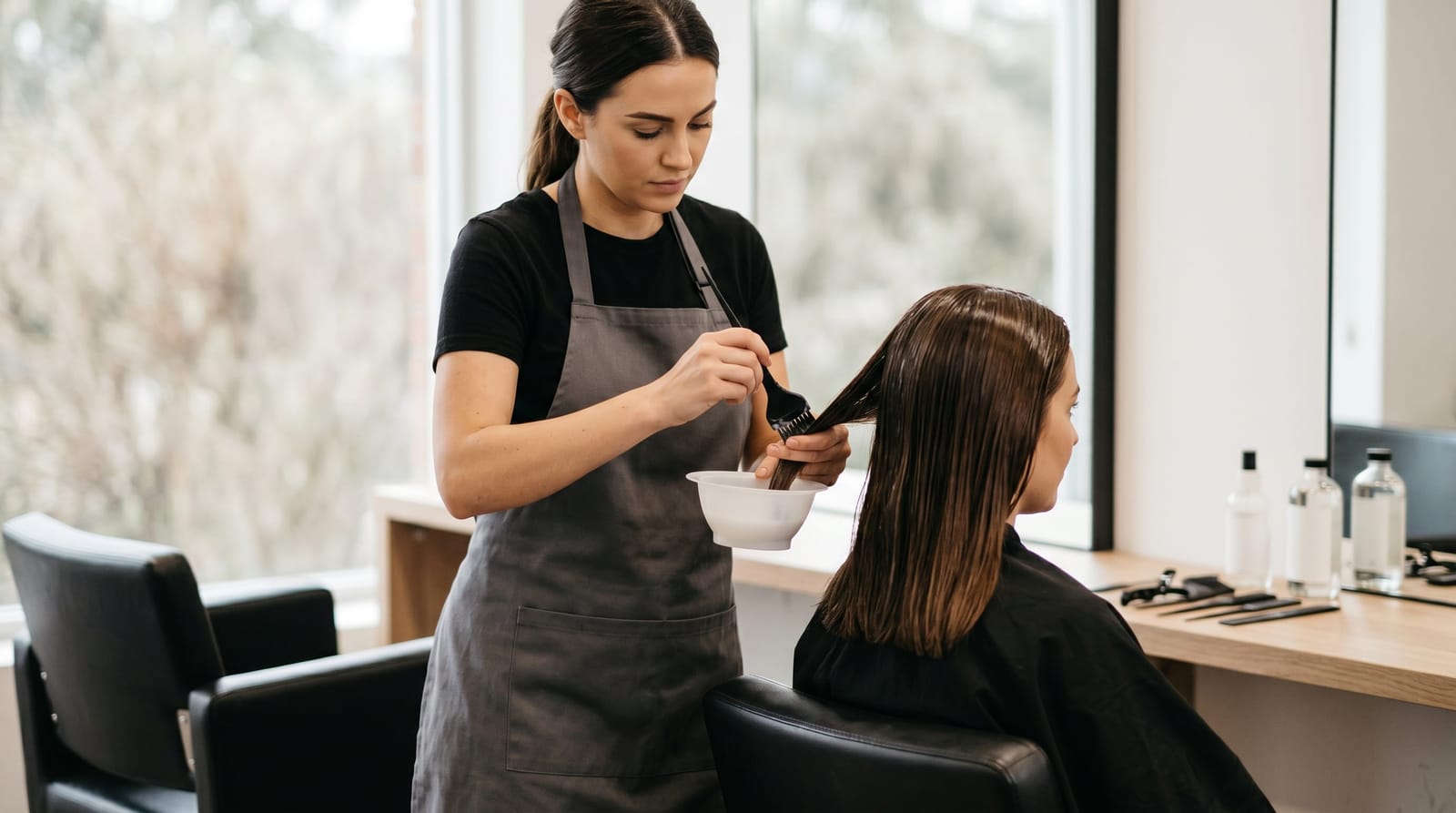
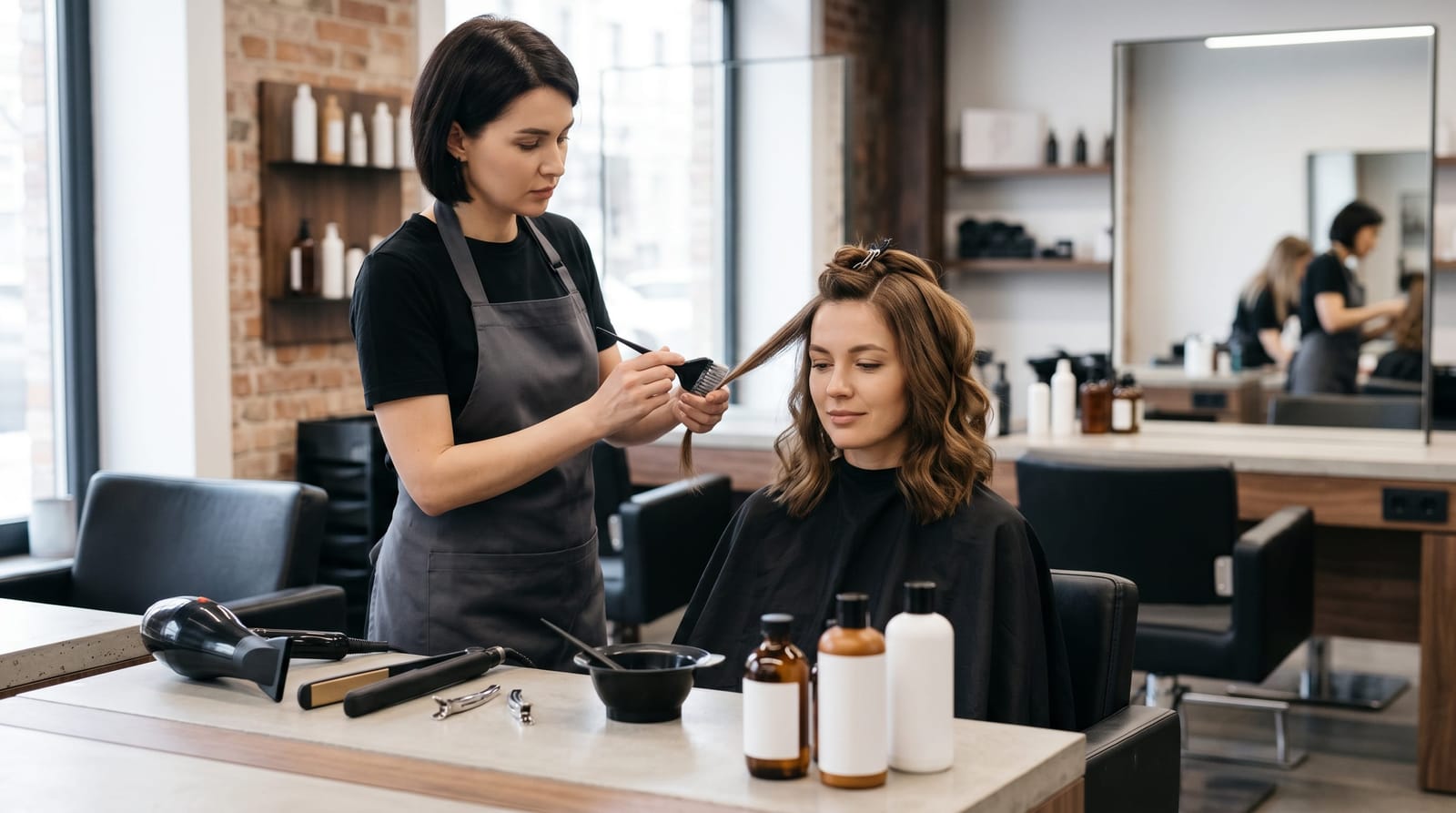
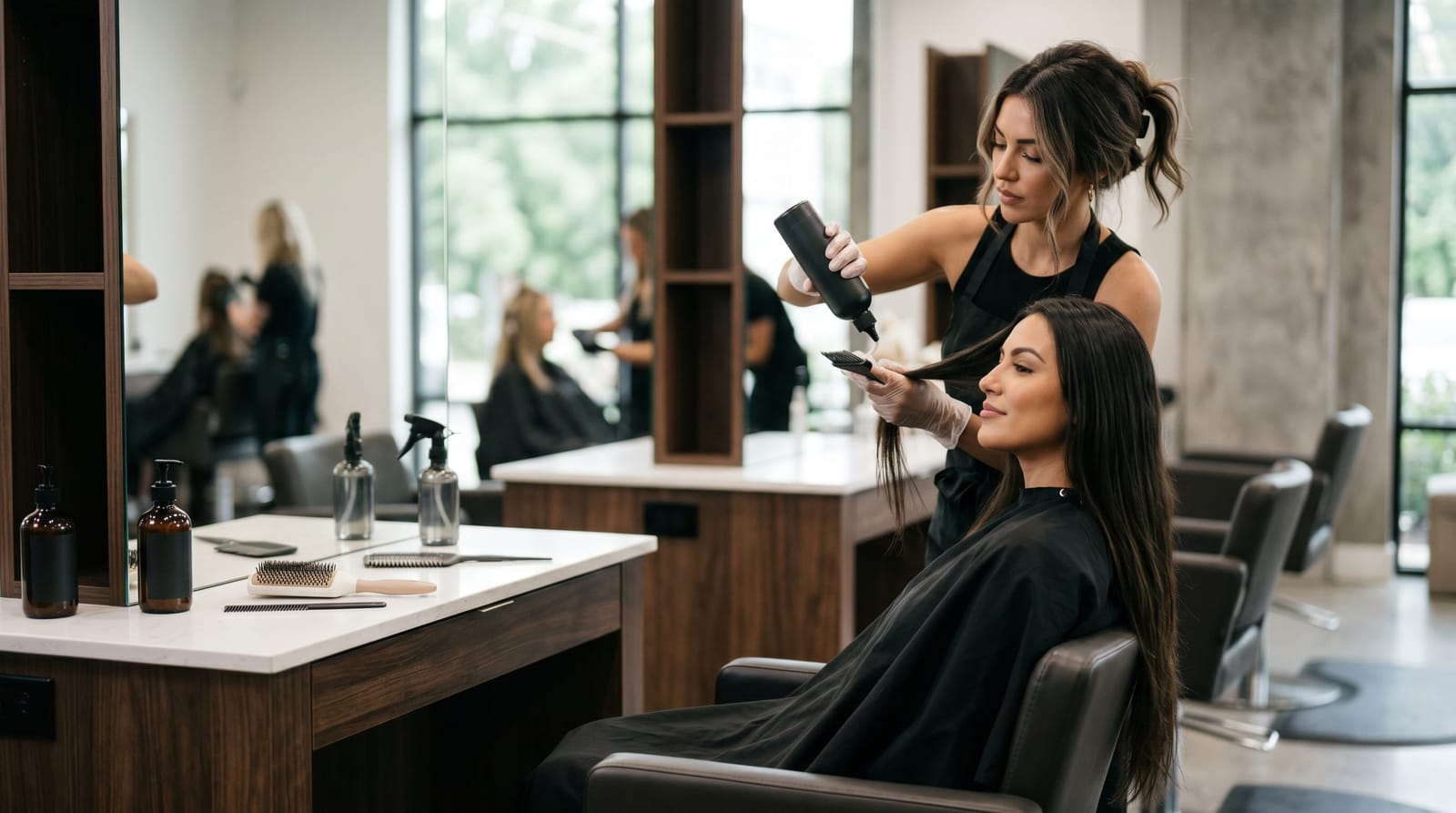
If you've just walked out of the salon with freshly smoothened, frizz-free hair, the last thing you want to do is accidentally ruin it with a color appointment scheduled too soon. This is one of the most common questions clients ask when planning their hair care calendar, and getting the timing wrong can cost you both treatments. Whether you've had a keratin treatment, Brazilian blowout, or another smoothening service in NJ, this guide gives you the exact timeline, the right service order, and practical advice for coordinating color with hair smoothening treatment appointments.
Why Timing Matters: What Happens If You Color Too Soon
Hair color and smoothening treatments both work by interacting with the hair's internal structure, and when you stack them too close together, they compete in ways that damage your hair and dilute your results.
Keratin and Brazilian smoothening treatments work by coating the hair shaft with a protein-based formula, then sealing it with heat. This creates a protective layer that locks out humidity and reduces frizz. Hair color, on the other hand, requires the cuticle to be open so pigment can penetrate. When you apply color to freshly treated hair, two things go wrong:
- The sealed cuticle resists color absorption, leading to patchy, uneven results: studies on keratin-treated hair show that color uptake can be up to 30-40% less uniform when applied within the first week post-treatment.
- The chemical interaction between color developers (which are typically alkaline) and the keratin coating can break down the treatment significantly faster, cutting your smoothening results from the typical 3-5 months down to as little as 6-8 weeks.
Beyond uneven color, coloring too soon can also cause excessive dryness and breakage, especially if your hair was already chemically processed before the smoothening service. The combined stress of two overlapping chemical processes in a short window is one of the leading causes of post-salon hair damage we see here in NJ salons.
The Two-Week Rule: Your Minimum Wait Time for Hair Color After Smoothening Treatment
The clear, research-backed answer: wait at least two weeks after a smoothening treatment before coloring your hair. This is the industry-standard minimum recommended by professional keratin treatment brands and salon educators worldwide.
Here's what those two weeks actually accomplish:
- Days 1-3: The treatment is still curing. Hair is most vulnerable during this window. Even washing your hair is restricted for the first 72 hours after most keratin services.
- Days 4-7: The keratin formula begins to fully bond to the hair shaft. Cuticles are still in a semi-sealed state, and any chemical application would likely produce inconsistent results.
- Days 8-14: The treatment reaches its stable phase. Hair is smoother, the cuticle has normalized, and it is closer to being ready to accept color, but 14 days is truly the minimum, not the ideal.
For best results, most experienced NJ stylists recommend waiting 3-4 weeks before your color appointment after a hair smoothening treatment. This gives the treatment its best chance to perform at full capacity while ensuring your color applies evenly and lasts longer.
If your smoothening treatment is already older than three weeks when you come in for color, your stylist should use lower heat settings during blow-dry finishing and always perform a strand test or patch test first to assess how the hair responds.
Should You Color Before or After Your Smoothening Treatment?
This is where smart scheduling makes a real difference. If you're planning both services, coloring first is the professional recommendation, and here's the practical reasoning behind it.
Color First, Then Smooth
When you color your hair before a smoothening treatment, the keratin or smoothening formula actually seals and protects the fresh color in the days that follow. Many clients report that their color looks more vibrant and lasts significantly longer, some noting color retention up to 20-25% longer, when it's been sealed in by a smoothening treatment applied 1-2 weeks later.
The ideal scheduling window is: color appointment first, then book your smoothening treatment 7-10 days later. This gap allows the color to settle and oxidize fully (most hair color continues to oxidize for up to 72 hours after application), so the smoothening treatment seals in a completed, stable result rather than an active chemical process.
What to Avoid: Same-Day Stacking
Doing both services on the same day, even back-to-back in the salon, is something nearly every professional advises against. The chemical exposure is simply too intense for most hair types, and the results of both services are typically compromised. The only partial exception is certain specialized salon packages that use ammonia-free, deposit-only color specifically formulated to be compatible with same-session smoothening, and even these require careful assessment by a trained stylist.
Coordinating Color and Smoothening Treatment Appointments in NJ: A Practical Schedule
For busy professional women managing both color maintenance and smoothening treatments, here's a realistic appointment calendar that protects both services:
- Week 1: Hair color appointment (highlights, balayage, root touch-up, or full color)
- Week 2-2.5: Smoothening treatment appointment (keratin, Brazilian blowout, or Japanese straightening)
- Months 2-3: Root touch-up or toner appointment (safe after 4+ weeks post-smoothening)
- Months 4-5: Full repeat of the cycle based on how long your specific smoothening treatment lasts
This schedule maximizes the longevity of both services. Brazilian blowouts typically last 10-12 weeks, while keratin treatments can last 3-5 months with proper care. Building your color appointments around these timelines means you're never caught in the overlap zone.
Part of protecting your smoothening results also comes down to your wash routine: using the right products and techniques after your hair smoothening treatment plays a major role in how long both your color and smooth results hold up between appointments.
Special Considerations: Highlights, Balayage, and Bleach
Not all color services carry the same risk level when scheduled around smoothening treatments. Here's how different techniques differ:
- Root touch-ups and single-process color: Lower risk, but the two-week minimum still applies. The developer volume (typically 20 vol) is manageable if the wait time is respected.
- Highlights and balayage: Because these don't cover the full shaft, and are often applied off-scalp, they tend to interact less aggressively with the smoothening treatment. Still follow the two-week minimum.
- Full bleach or lightening: The highest-risk combination. Bleach uses 30-40 volume developer, which is significantly more alkaline and breaks down the keratin coating fastest. If bleach is part of your color plan, waiting 4-6 weeks post-smoothening is strongly recommended, and a thorough strand test is non-negotiable.
- Toners and glosses: Generally the safest post-smoothening color service. Most toners are deposit-only, low-volume formulas that sit on top of the hair rather than penetrating it aggressively. Many stylists use toners to refresh color 6-8 weeks after a smoothening service without issue.
Frequently Asked Questions
Can I color my hair 1 week after a keratin treatment?
No: one week is too soon. At the seven-day mark, the keratin treatment is still in its active bonding phase. Applying hair color at this stage will likely result in uneven, patchy color because the sealed cuticle resists uniform pigment absorption. The minimum safe window is two weeks, with most professionals recommending three to four weeks for the best results from both services.
Does hair color last longer after a smoothening treatment?
Yes, when the service order is correct (color first, smoothening treatment second), the keratin or smoothening formula effectively seals the color into the hair shaft. This can noticeably extend color vibrancy and reduce fading. However, if you color after the smoothening treatment, the opposite can happen: the chemical process can strip the treatment and shorten its lifespan.
Can I use box color at home after a smoothening treatment?
It's not recommended. Box color formulas are not calibrated to work with chemically treated or keratin-processed hair: they typically contain higher-volume developers and generic formulations that don't account for the sealed cuticle state of smoothened hair. If you color at home, you risk both uneven results and premature fading of your smoothening treatment. Always consult your NJ stylist for color services that coordinate safely with your smoothening timeline.
What about toning or glossing after a smoothening treatment?
Toners and glosses are generally the safest color option after a smoothening treatment. Because they are deposit-only, low-peroxide formulas, they don't aggressively open the cuticle or interact with the keratin coating the way permanent color does. Most stylists are comfortable applying a toner as early as three to four weeks after a smoothening treatment to refresh color tone without compromising the smoothening results.
Conclusion: Protect Both Investments With the Right Timing
The answer to whether you can color your hair after a smoothening treatment is yes, but only with the right timing. A minimum two-week wait (ideally three to four weeks) protects both the color result and the life of your smoothening treatment. For the best of both worlds, book color first and smoothening 7-10 days later. Understanding how these services interact helps you get the most out of every salon visit, whether you're maintaining highlights, refreshing your balayage, or keeping your keratin treatment looking flawless for the full 3-5 months it's designed to last.
For a complete picture of how to care for your hair between appointments, from your wash routine to product choices, explore our guide on how to wash hair after smoothening treatment to make sure every step you take at home supports your salon results.