Can You Color Your Hair Before or After a Smoothening Treatment?

If you're planning to do both a color service and a smoothening treatment, you're not alone in wondering which one comes first, and how long to wait between them. It's one of the most common scheduling questions clients ask when they want to refresh their look from every angle. The good news is there's a clear answer, and understanding the logic behind it will help you get the best results from both services. Here's everything you need to know before booking.
Why the Order of Services Actually Matters
Hair color and smoothening treatments are both chemical processes, and each one temporarily changes the structure of your hair. When two chemical services are layered too closely together, or done in the wrong sequence, they can work against each other rather than complement each other.
Smoothening treatments, including Brazilian blowouts and keratin treatments, work by coating the hair shaft and sealing it with heat. Most of these treatments have a low pH, which means they can slightly lift or shift existing hair color as a side effect of the smoothing process. If you've just had your hair colored, a smoothening treatment applied too soon could cause that color to fade faster or look uneven. On the flip side, if you color over a fresh smoothening treatment before the formula has fully bonded to the hair, you may end up with patchy or inconsistent color results.
The sequence isn't arbitrary: it's rooted in how these formulas interact with your hair at a chemical level, and getting it right protects your investment in both services.
The Recommended Order: Color First, Then Smoothen
The professional recommendation is to complete your color service first, then follow up with a smoothening treatment, but not at the same appointment. Ideally, you want to allow at least two weeks between the two services.
Here's why this order works well: Color services, especially those using developer (such as permanent color, highlights, or balayage), need time to fully settle into the hair. Applying a smoothening treatment too soon after coloring can strip color molecules before they've had a chance to stabilize. By waiting two weeks, you give your hair time to recover its moisture balance and allow the color to fully set before introducing another chemical process.
Doing color before smoothening also means your final result benefits from the smoothening treatment acting almost like a finishing seal: locking in shine and helping your color look more vibrant and polished once the treatment is complete.
What About Semi-Permanent or Toning Services?
Semi-permanent color and toning glosses don't use developer, which means they're gentler on the hair's structure. In some cases, these can be applied closer to a smoothening treatment, but the two-week rule is still a safe and smart guideline to follow. Even with gentler formulas, giving your hair a buffer period between services is always the more protective approach. When in doubt, ask your stylist to assess your specific hair type and color formula before deciding on timing.
How a Smoothening Treatment Affects Your Color Results
One thing clients often notice after a smoothening treatment is a subtle shift in their hair color: particularly with lighter shades. Because most smoothening treatments have an acidic pH, they can cause color to look slightly brighter, warmer, or even a touch lighter than it appeared before the service.
For most clients, this shift is minimal and actually enhances the overall look: hair appears glossier and more luminous after the treatment. But for clients with very specific toning or color goals, it's worth discussing this with your stylist in advance so they can account for it when mixing your color formula.
This is also why coloring after a smoothening treatment, rather than before, requires more care. If you wait the recommended two weeks and then get a color service, your stylist will be working with hair that has a slightly altered surface. A good stylist will know how to adjust accordingly, but this is precisely why a thorough consultation matters so much when combining these services.
How Stylists Plan a Combined Color and Smoothening Appointment Series
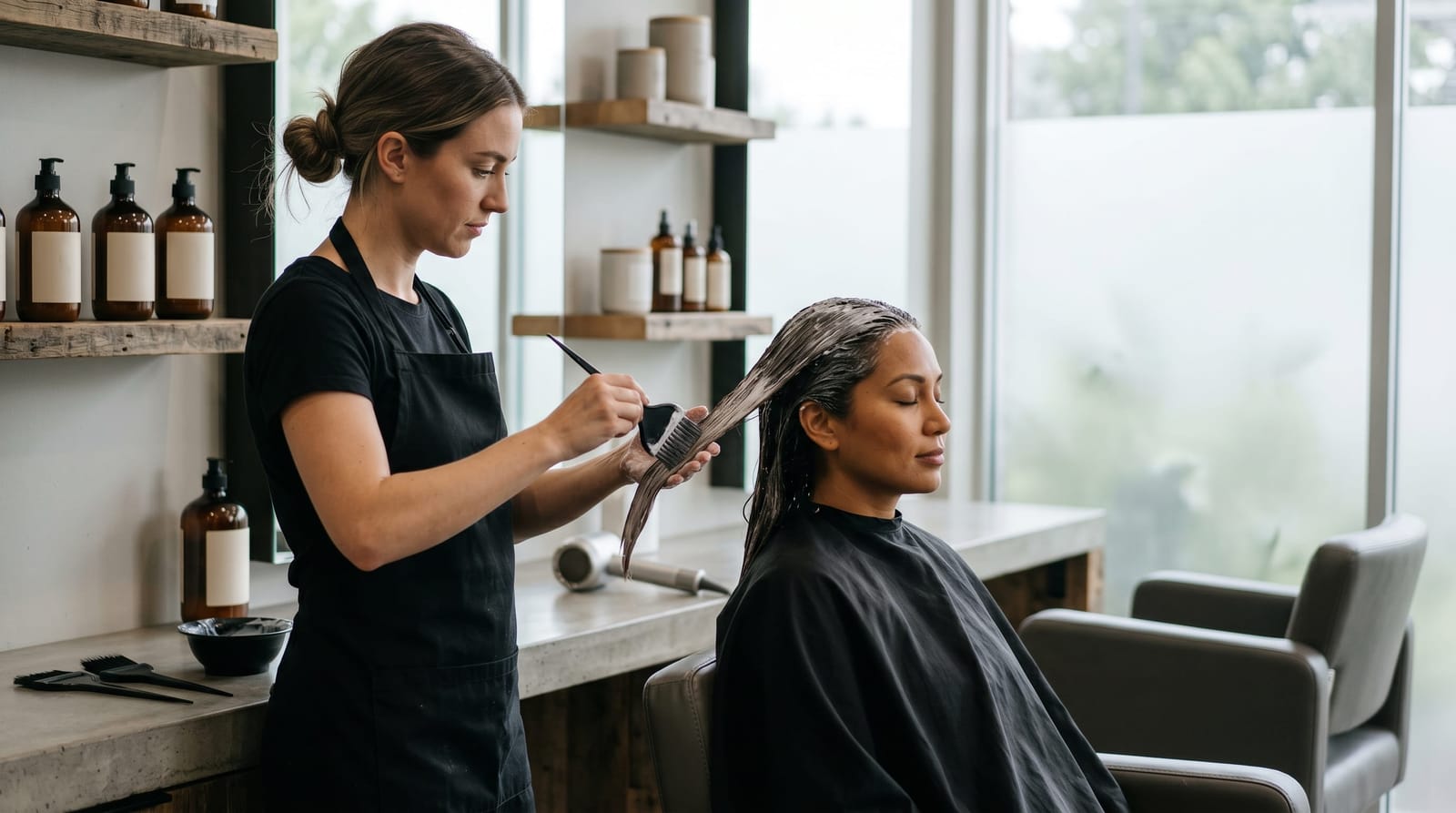
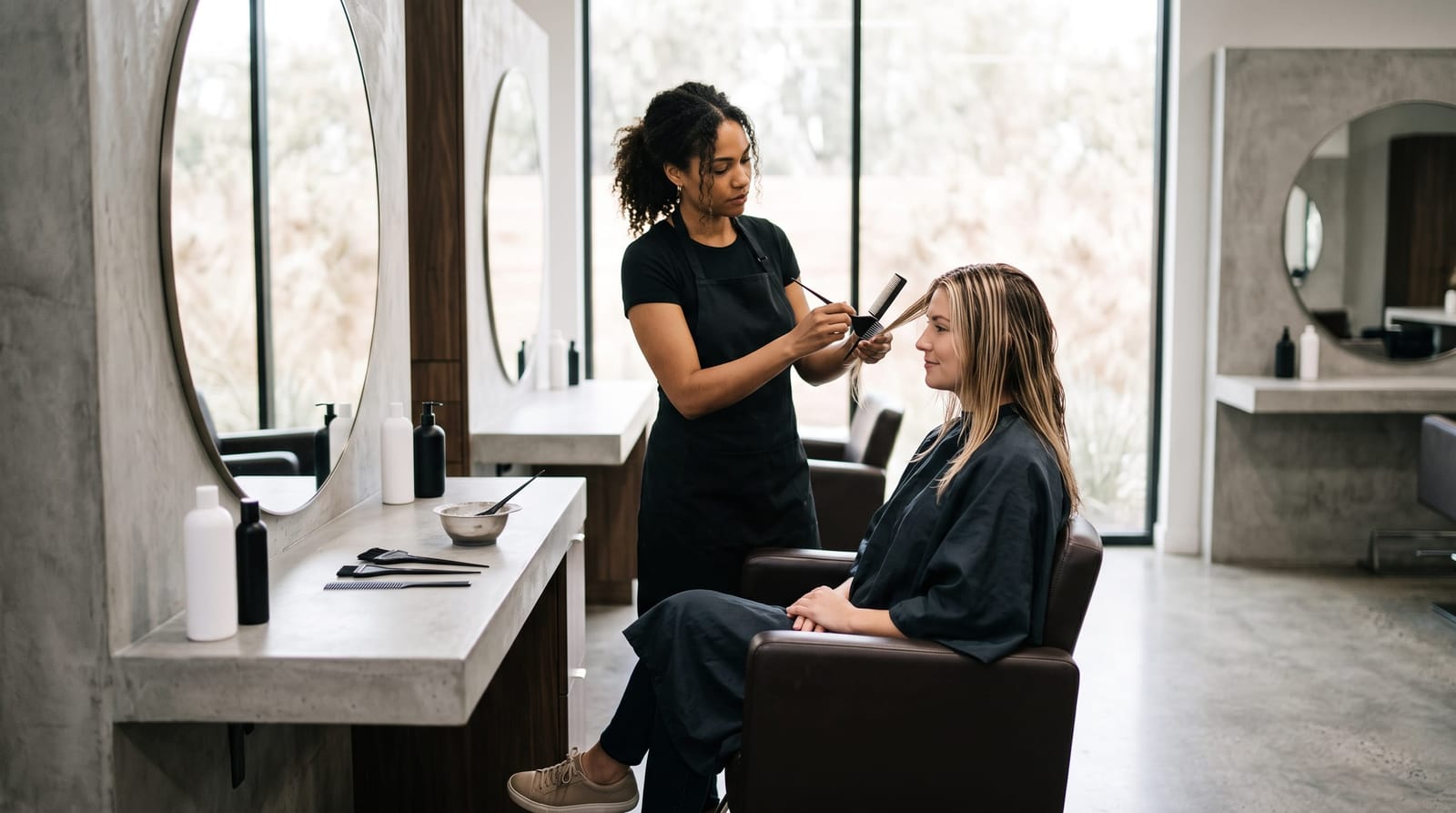
When a client wants both services, a skilled stylist approaches it as a multi-appointment plan rather than a single session. Here's how a typical series might be mapped out:
- Appointment 1: Color service (highlights, balayage, all-over color, or toning)
- Wait period: Minimum two weeks for the color to fully settle and the hair to rebalance
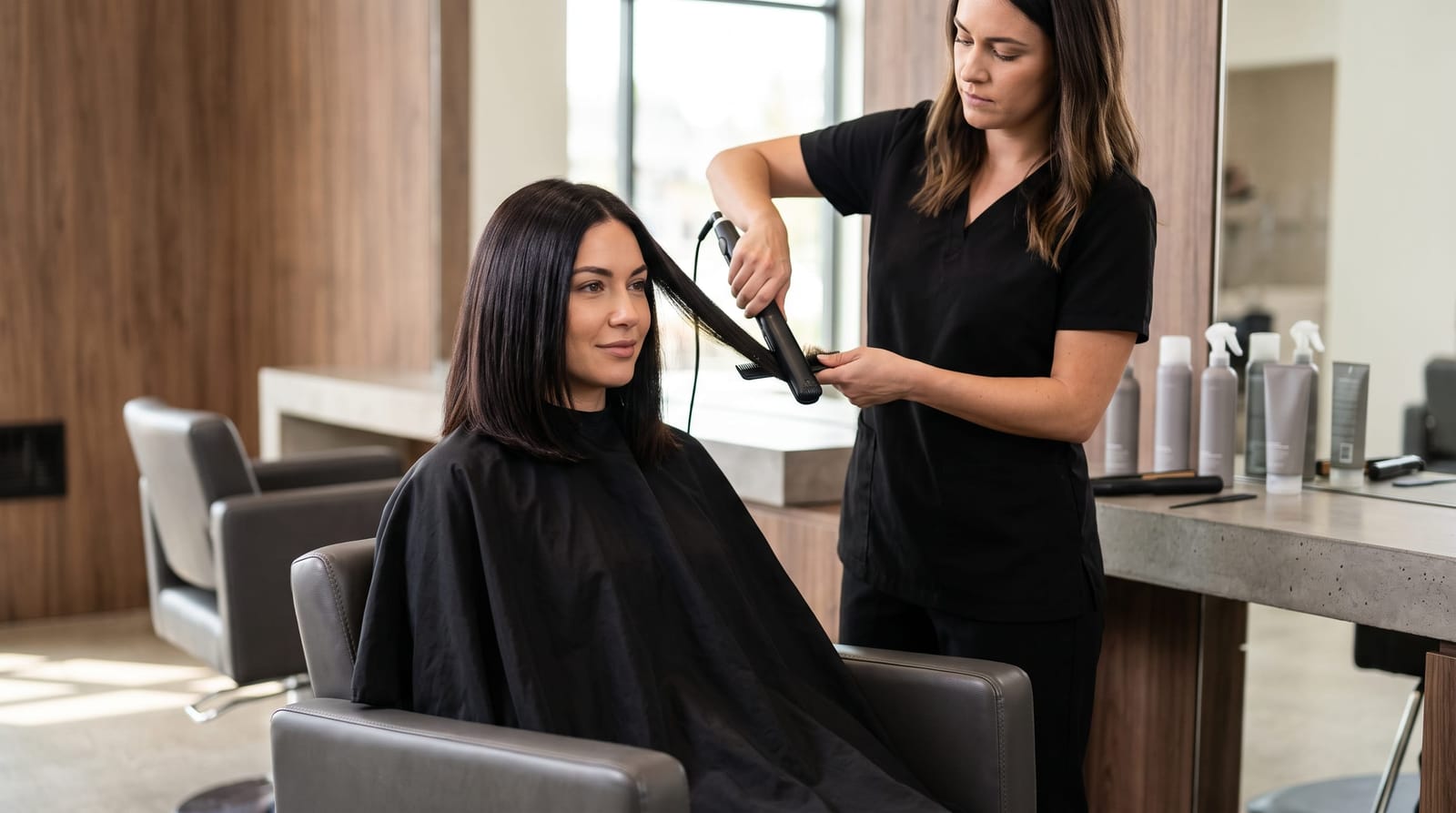
- Appointment 2: Smoothening treatment applied to colored and recovered hair
- Ongoing maintenance: Color-safe, sulfate-free products to preserve both the color and the smoothening treatment
Some clients prefer to reverse-engineer this plan, if they're starting with a fresh smoothening treatment, they'll wait two weeks and then book their color appointment. Either direction works, as long as that buffer time is respected.
It's worth noting that this kind of thoughtful sequencing is exactly what separates a salon experience focused on hair health from a rushed same-day approach. If you've ever wondered whether a smoothening treatment is the right investment for your specific hair type, Is a Smoothening Treatment Worth It for Fine Hair? is a helpful resource to explore before booking.
What to Expect at Your Consultation
If you're interested in both services, coming in for a consultation before committing to an appointment series is genuinely worthwhile. During a consultation, your stylist will:
- Assess your current hair condition and porosity, which affects how both services perform
- Review your color history, including any previous chemical services or at-home color
- Discuss your smoothening goals, whether that's full frizz elimination, enhanced manageability, or something in between
- Create a realistic timeline that fits your schedule and protects your hair's integrity
- Recommend a home care routine that supports both your color and smoothening results long-term
A good consultation also gives you the opportunity to ask questions about specific product recommendations, what to expect in terms of maintenance, and how frequently you'll need touch-up appointments for each service. This kind of planning helps you get the most out of your investment and avoids the frustration of services that underperform because they weren't sequenced properly.
Frequently Asked Questions
Can I get color and a smoothening treatment on the same day?
In most cases, performing both services on the same day is not recommended. Combining two chemical processes in a single appointment can overwhelm the hair and compromise results for both services. A minimum two-week gap between the two is the standard professional guideline. Some stylists may allow same-day services in very specific circumstances, but this is best evaluated during an in-person consultation rather than assumed.
Will a smoothening treatment fade my hair color?
It can cause a slight shift, particularly with toned or cooler shades. The low pH of most smoothening formulas can affect how color sits on the hair shaft. This is why timing matters: waiting the full two weeks after coloring before your smoothening treatment helps protect color from fading or looking uneven after the service.
What hair care products should I use to maintain both services?
Color-safe, sulfate-free shampoo and conditioner are essential for maintaining both your color and your smoothening treatment. Sulfates can strip color and break down the smoothening formula more quickly. Your stylist can recommend specific products suited to your hair type and the particular treatment you received.
How long does color last after a smoothening treatment?
With proper sequencing and the right aftercare products, color can last just as long as it normally would, and sometimes appears more vibrant because the smoothening treatment adds extra shine. The key is using color-safe products and following your stylist's maintenance recommendations after both services.
The Bottom Line
When it comes to combining color and a smoothening treatment, patience and proper sequencing make all the difference. Color first, then smooth, with at least two weeks in between. This approach protects your color investment, gives your hair time to recover, and allows the smoothening treatment to perform at its best. Both services complement each other beautifully when they're planned thoughtfully, which is exactly the kind of personalized planning you can expect from a professional consultation. Understanding the full picture of smoothening options is always a great starting point, and it connects back to the broader question of which treatment is truly the right fit for your hair.