Can You Damage Your Hair with Extensions
One of the most common questions women ask before booking an appointment is: do hair extensions damage your hair? It's a fair concern: you're investing in a transformation, not a setback. The honest answer is that hair extensions can cause damage, but they don't have to. Understanding the difference between careless application and professional-grade installation is what separates a gorgeous result from a hair-loss horror story. This guide breaks down exactly where damage comes from and how to protect your natural hair throughout the entire process.
Where Hair Extension Damage Actually Comes From
Most damage from extensions doesn't come from the extensions themselves: it comes from how they're applied, maintained, and removed. Experts consistently point to four primary culprits: excessive tension on the hair follicle, incorrect weight distribution, poor maintenance habits, and improper removal. When any of these factors go unchecked, the consequences can range from mild breakage to a condition called traction alopecia: a form of hair loss caused by prolonged pulling on the root.
According to the American Academy of Dermatology, traction alopecia affects a significant portion of women who wear tight or heavy styles long-term, with some studies estimating prevalence as high as 32% among women who regularly wear tension-causing hairstyles or add-ons. The risk increases dramatically when extensions are too heavy for the natural hair's density, when they're installed too close to the scalp, or when they're left in well beyond the recommended timeframe.
Clip-in extensions, for example, are considered the lowest-risk option because they're removed daily. Permanent methods like tape-in, sew-in, and fusion (keratin bond) extensions carry more risk simply because they remain in place for 6-12 weeks at a time. This doesn't make them unsafe: it makes proper technique and maintenance non-negotiable.
How Professional Application Dramatically Reduces Risk
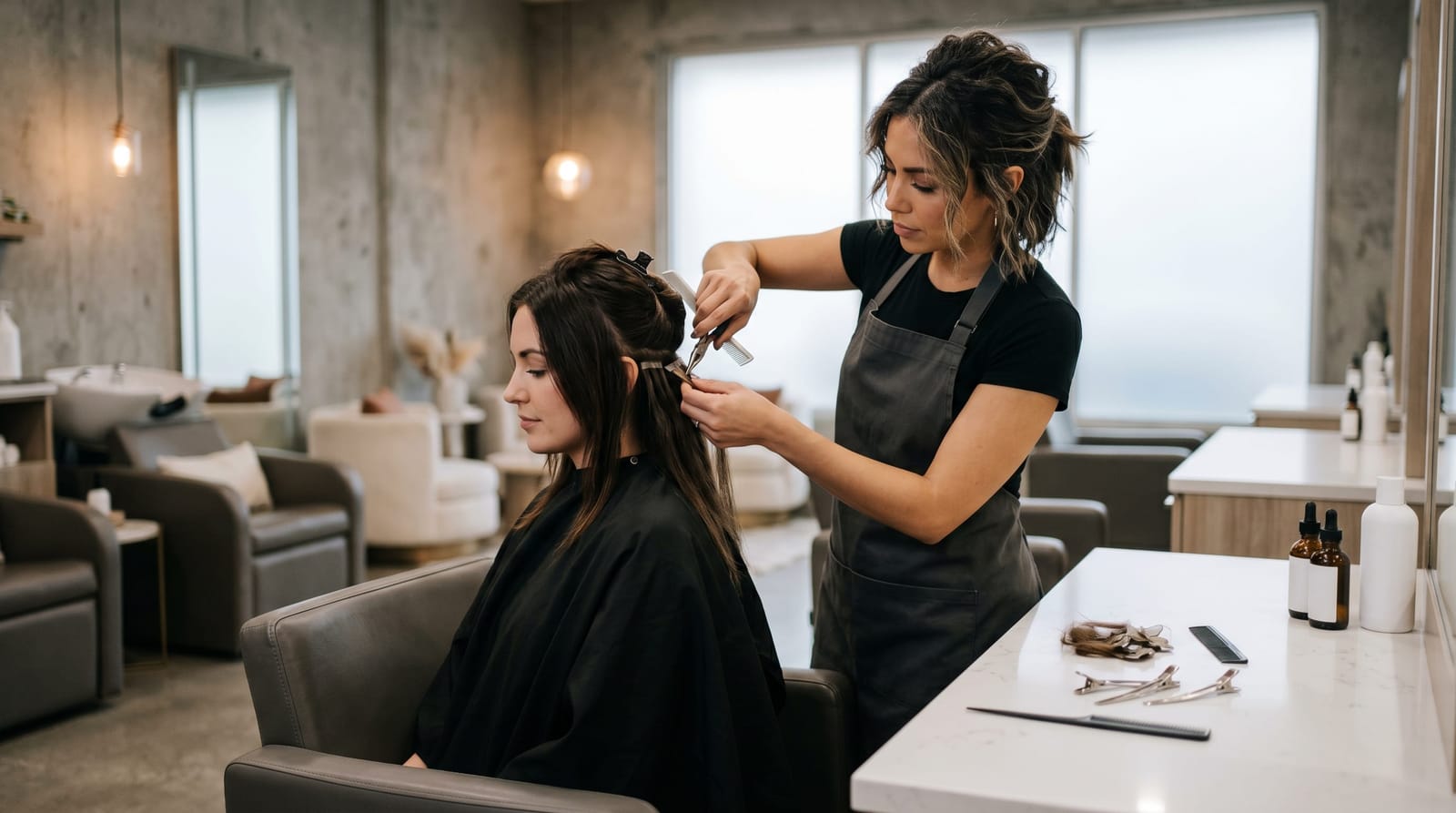
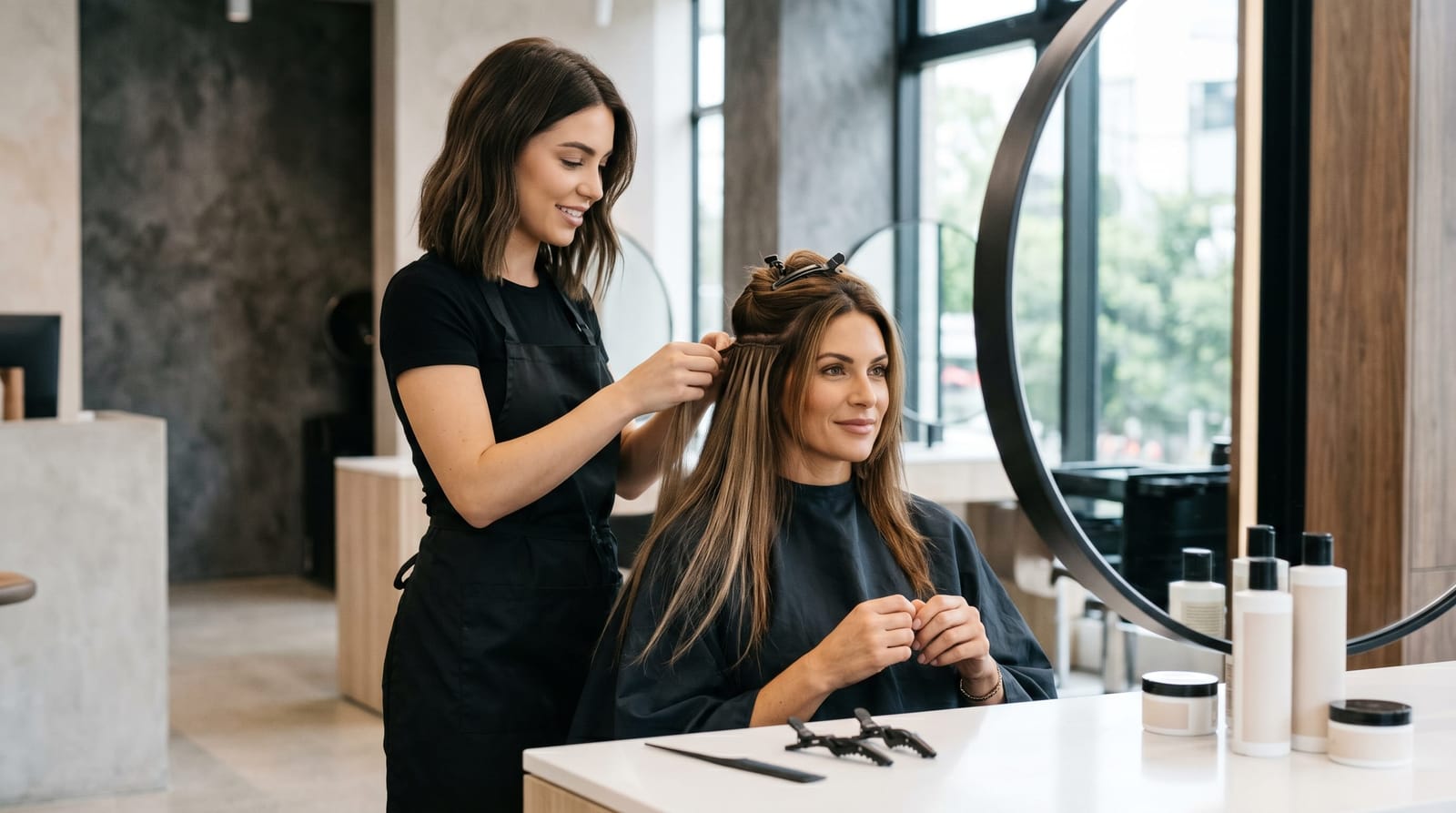
When clients ask do hair extensions damage your hair, the clearest answer is this: in the hands of a trained stylist, the risk of meaningful damage drops significantly. A skilled extension specialist evaluates your natural hair's texture, density, and current health before recommending a method. This assessment alone eliminates many of the most common causes of damage before they ever occur.
Proper Weight and Placement
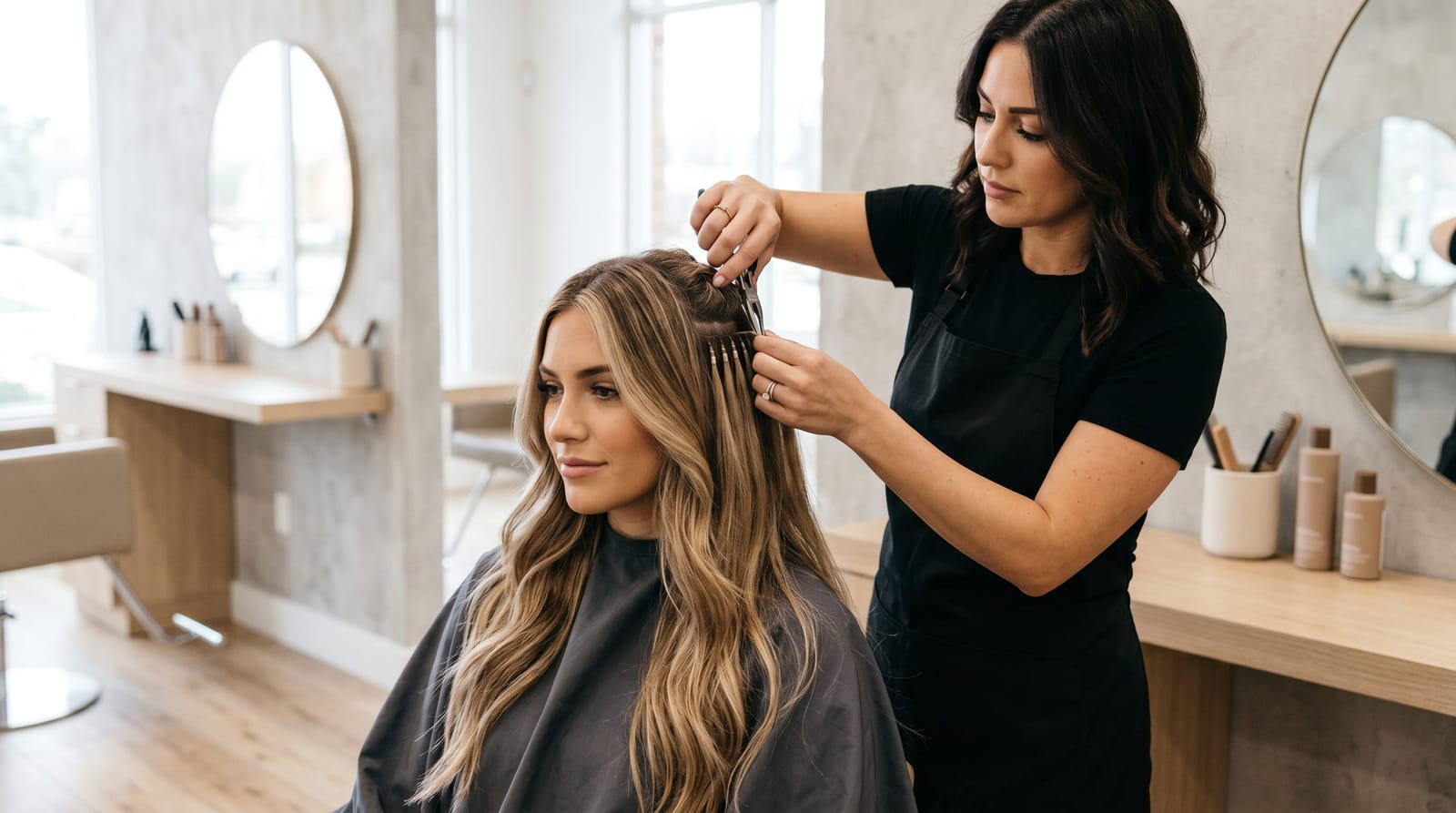
Professional stylists follow strict guidelines about how much weight each section of natural hair can support. As a general rule, each extension bond or weft should never exceed the weight that the natural hair can comfortably hold without tension. For fine or fragile hair, this often means using thinner wefts or micro-link beads, which distribute weight more evenly across more sections of hair. Placement matters equally: bonds installed too close to the scalp or too near the hairline create constant pull on delicate follicles.
The Right Method for Your Hair Type
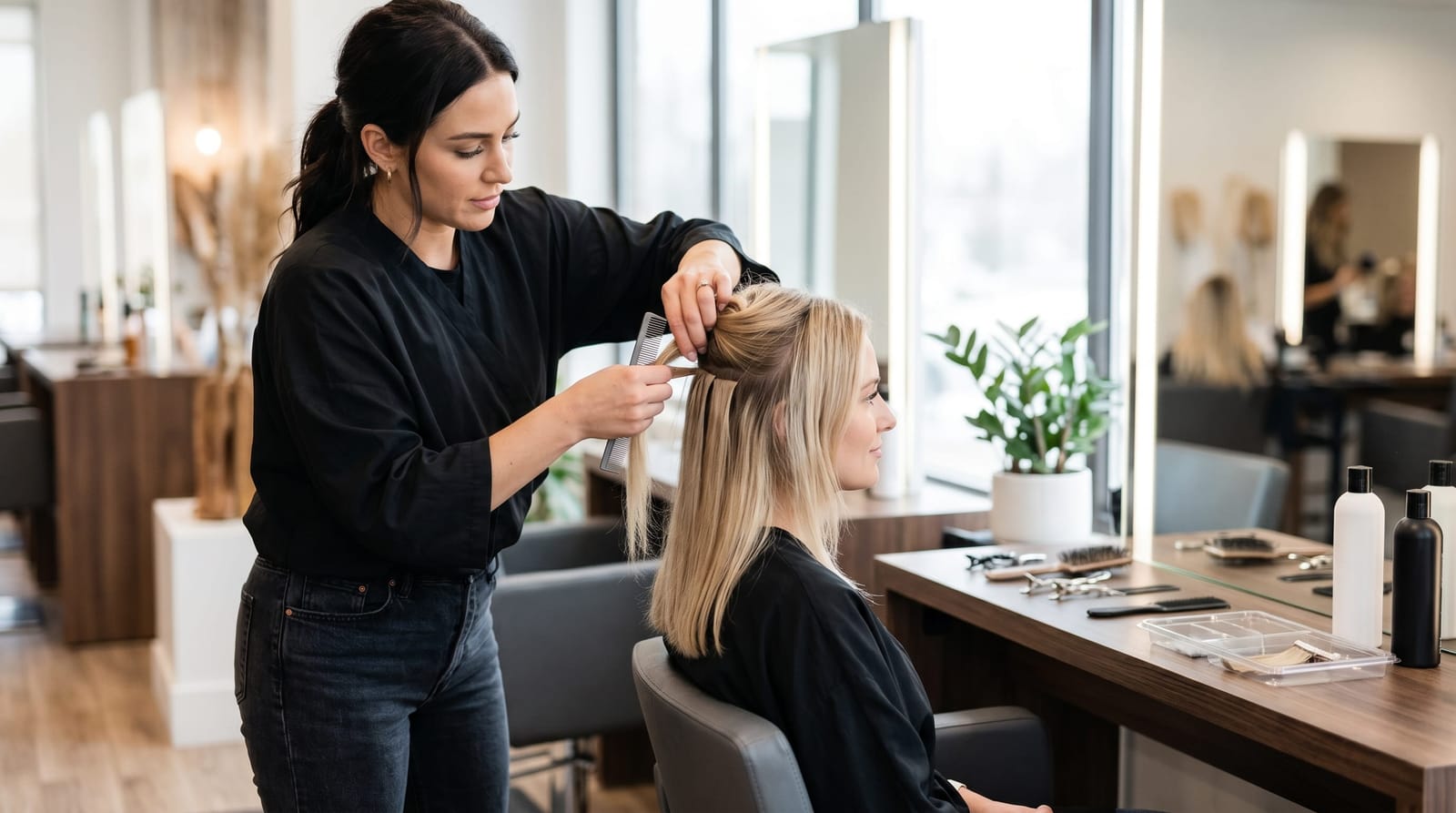
Not every extension method works for every hair type. Tape-in extensions, for instance, are ideal for medium-density hair and can last 6-8 weeks before a move-up appointment. Sew-in or weave methods work best on thicker, coarser hair that can handle a braid foundation. Fusion extensions, bonded with keratin, suit women with fine-to-medium hair who want a seamless blend. A professional consultation: the kind offered at a reputable hair extensions salon in Montclair, NJ: ensures the method chosen works with your hair, not against it.
Maintenance Habits That Protect Your Natural Hair
Even a flawless installation can lead to damage if daily care is neglected. The weeks between your installation and your maintenance appointment matter enormously. Here's what proper extension aftercare looks like in practice:
- Brush gently and consistently: Use a soft-bristle or loop brush starting from the ends and working upward. Brush at least twice daily to prevent matting around the bonds, which causes breakage when tangles are eventually pulled apart.
- Sleep with a loose braid or silk bonnet: Friction from cotton pillowcases accelerates tangling and can weaken bonds overnight. A silk or satin pillowcase reduces friction by up to 43% compared to cotton, according to textile friction studies.
- Wash correctly: Wash hair in a downward motion: never scrubbing in circular motions around bond areas. Use sulfate-free shampoo, as sulfates can break down adhesive in tape-in and fusion extensions prematurely.
- Don't skip your move-up appointments: Tape-in and fusion extensions grow out with your natural hair. Extensions that have shifted too far from the scalp create uneven weight distribution and significantly increase the risk of breakage. Move-up appointments every 6-8 weeks keep everything balanced.
- Avoid excessive heat near bonds: High heat (above 350°F) applied directly to keratin bonds or tape adhesive can weaken the attachment point, causing extensions to slip and pull on natural hair as they slide.
Why Removal Technique Is Just as Important as Installation
If installation is the beginning of the story, removal is the chapter that often gets skipped, and it's where some of the most significant damage happens. Pulling, yanking, or cutting bonds out without the proper removal solution can strip the hair cuticle, cause snapping breakage, and even pull natural hair out at the root.
Professional removal involves applying a bond remover solution specifically formulated to dissolve adhesive without stripping the natural hair. Tape-in extensions, for example, require an oil-based or acetone-based solution applied to each tape tab and left to break down the adhesive before gentle sliding: never pulling. Fusion bonds require a keratin bond remover applied with a removal tool that clamps and cracks the bond safely before combing it free.
After removal, a deep conditioning treatment is strongly recommended to restore any moisture lost during the process. Many stylists recommend leaving a protein-rich conditioning mask on for 20-30 minutes post-removal to rebuild the hair's structural integrity before reinstalling or styling.
Understanding the full scope of the process, from application through removal, is part of what separates a one-time decision from a sustainable, long-term enhancement. You can explore the complete picture in our guide to professional hair extensions: application, maintenance, and removal services in NJ.
Frequently Asked Questions
Do hair extensions damage your hair if you only wear them occasionally?
Occasional wear, particularly with clip-in extensions, carries very low risk. Clip-ins are removed daily, so there's no prolonged tension on the follicle. Problems arise with permanent methods worn continuously beyond the recommended timeframe or applied with too much weight. Wearing extensions for a special occasion and having them professionally removed the same day or within a few days poses minimal risk to healthy hair.
What are the signs that my extensions are causing damage?
Warning signs include scalp soreness or tenderness, especially around bond points; visible thinning at the hairline or temples; increased shedding when brushing; and small clumps of natural hair attached to extensions when removed. If you notice any of these, contact your stylist promptly rather than waiting until your scheduled appointment. Early intervention prevents minor stress from becoming significant hair loss.
How long should I wait between extension applications to protect my hair?
Most stylists recommend allowing at least 2-4 weeks between full removal and reinstallation, giving your natural hair time to recover, be deep conditioned, and be assessed for health. However, move-up appointments, where existing extensions are repositioned rather than fully replaced, can happen on a 6-8 week cycle without a break period, since the natural hair is never fully without support during the process.
Are there extension types that are safer for fine or damaged hair?
Yes. For fine or previously damaged hair, halo extensions and clip-ins are the safest options because they place no permanent tension on the hair. Among semi-permanent methods, tape-in extensions are generally considered the gentlest because they lie flat against the head, distribute weight across a large surface area, and use a non-chemical adhesive that can be removed without harsh solvents. Micro-link (bead) extensions are another strong option for fine hair since they require no heat or glue during installation.
The Bottom Line on Extensions and Hair Health
So, do hair extensions damage your hair? They can, but the risk is largely preventable. With professional installation that respects your hair's natural density and structure, consistent at-home maintenance, and careful removal by a trained stylist, extensions can be a safe, long-term solution for women who want fuller, longer hair without sacrificing the health of what they already have. The key is treating extensions not as a quick fix, but as a service that requires professional expertise from start to finish.