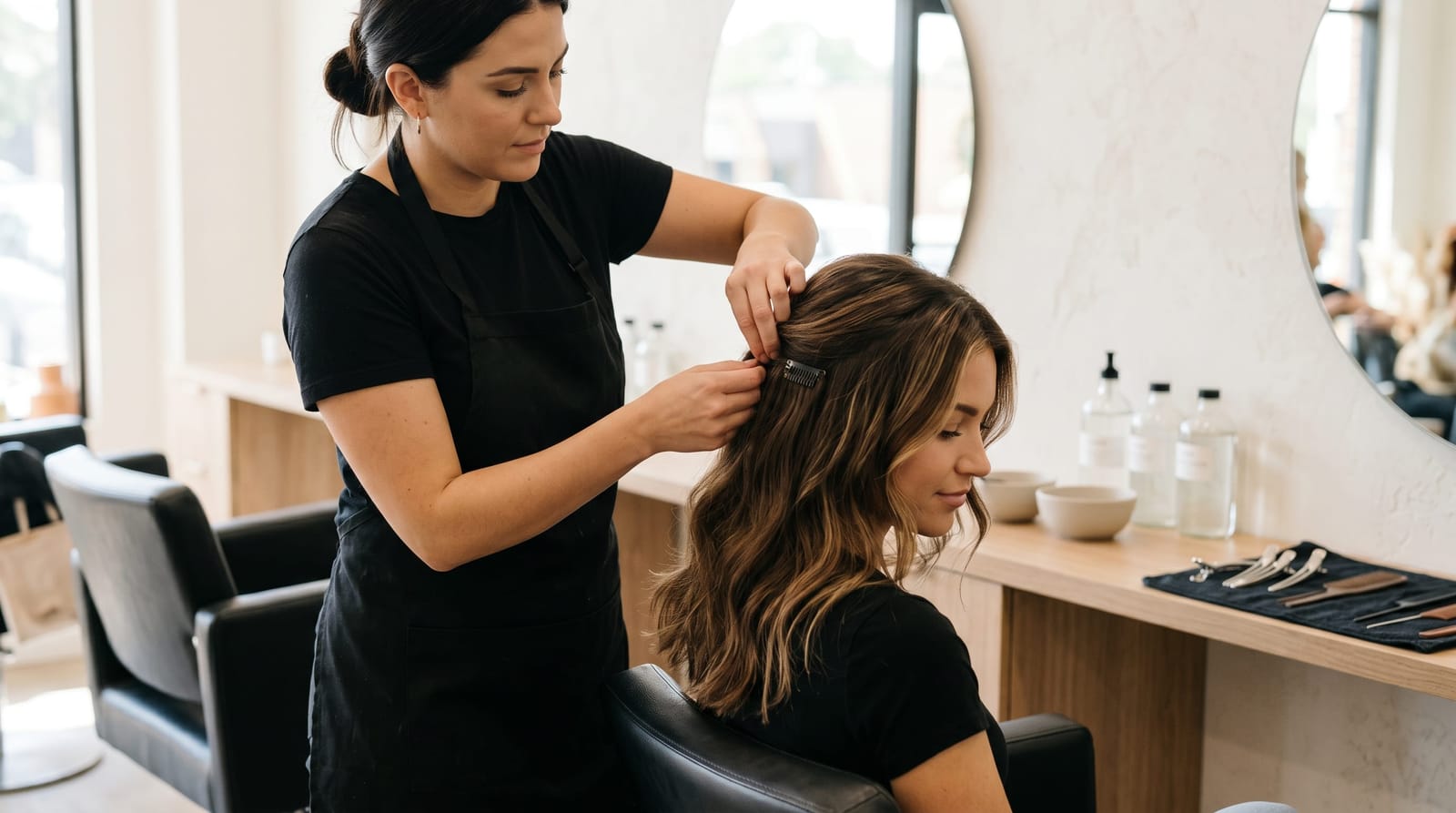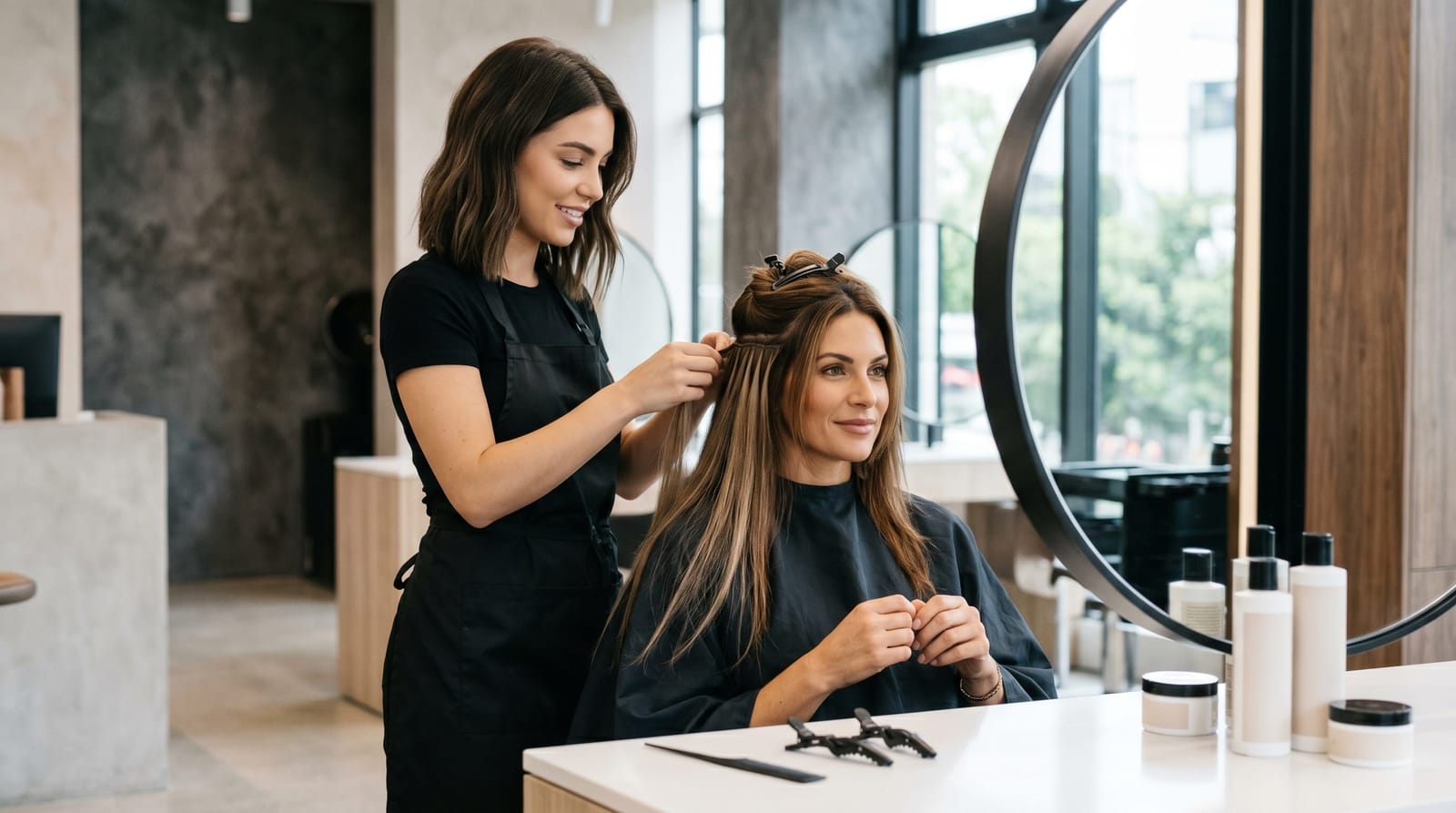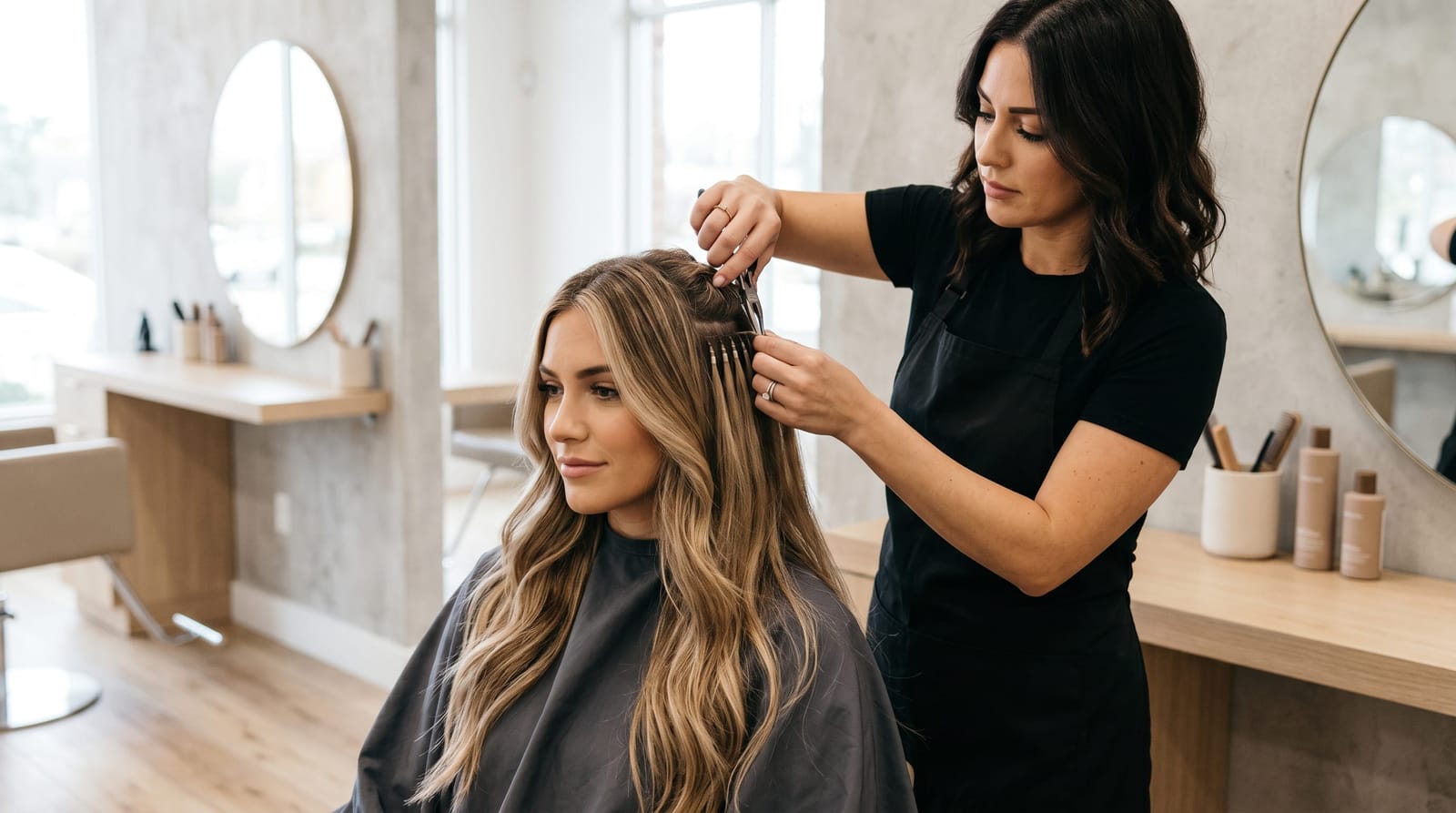
Hair Extensions Removal: Safe Professional Removal Process
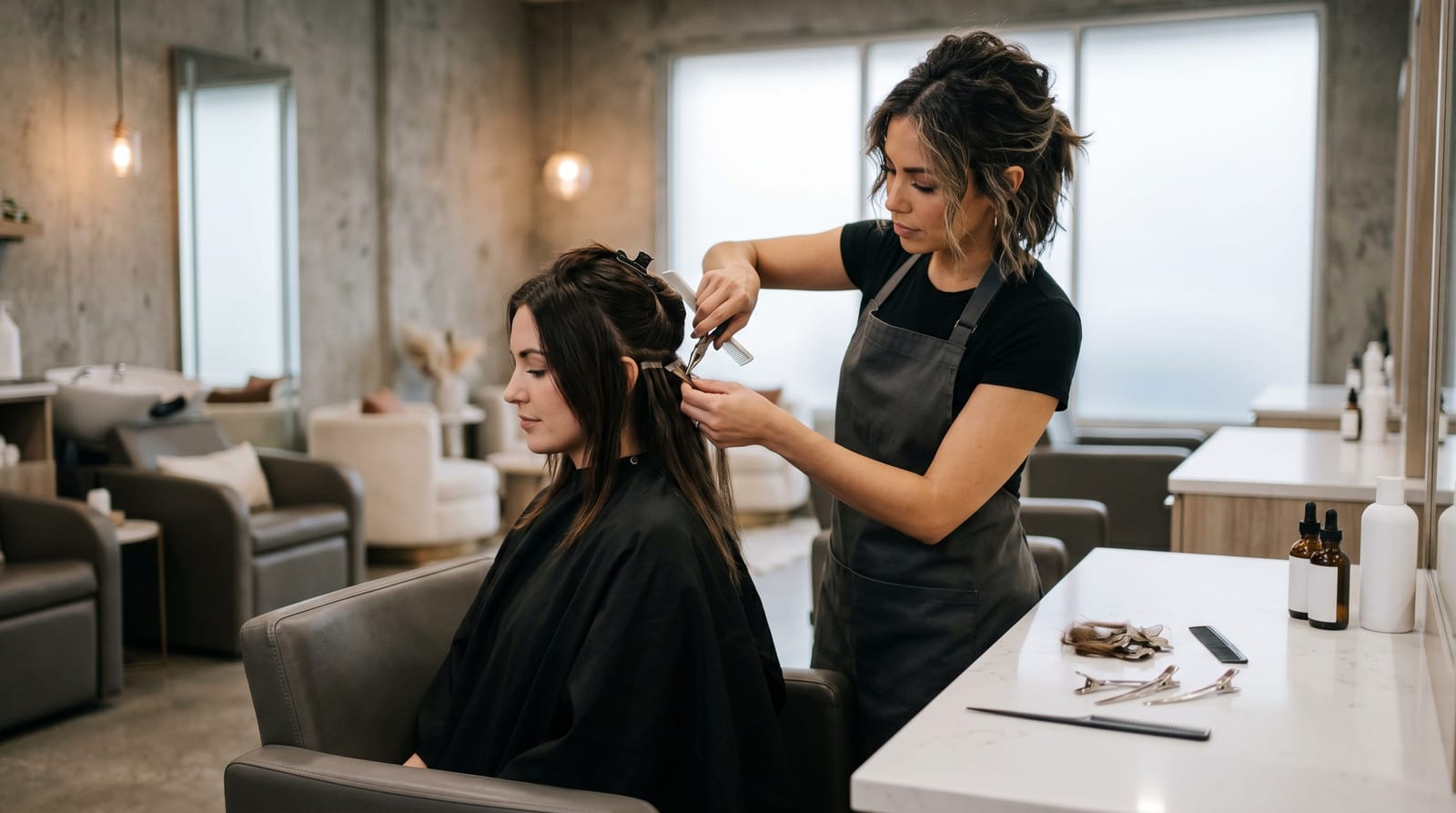
When it comes to hair extensions, the removal process is just as important as the application, and yet it's the step most often overlooked. Whether you've been wearing tape-ins, keratin bonds, hand-tied wefts, or another method, how those extensions come out directly affects the health and condition of your natural hair underneath. At Substance Salon, we approach every hair extensions removal salon NJ appointment with the same level of care and intention that goes into any premium service. This guide walks you through everything you need to know about professional extension removal: why it matters, what the process looks like for each extension type, how to care for your hair afterward, and how to transition seamlessly into your next set, or back to your beautiful natural hair.
Why Professional Extension Removal Is Worth Every Penny
The DIY removal videos online make extension removal look deceptively simple. But what those clips rarely show you is the aftermath: strands of natural hair caught in adhesive, weakened bonds from improper tool use, or moisture-stripped hair that takes months to recover. Studies from professional cosmetology associations suggest that improper extension removal accounts for a significant portion of preventable hair breakage among extension wearers, with some estimates indicating that up to 65% of extension-related hair damage occurs during removal rather than during wear.
A trained stylist brings more than technique to the table. They bring an understanding of your specific hair structure, the extension method used, how long the extensions have been in, and how your natural hair has responded to the wear cycle. That context shapes every decision, from which removal solution to use to how much tension is appropriate when releasing bonds.
The Risk of Rushing the Process
One of the most common mistakes in at-home removal is impatience. Bonds that haven't been fully broken down with the appropriate solvent can pull and snap natural strands when forced. Tape adhesive that isn't fully dissolved can cause matting or tearing at the root. Keratin tip bonds, which require heat or specialized bond remover, can harden further if the wrong approach is applied. Professional removal ensures each bond is addressed correctly before any physical manipulation begins: protecting your investment in your natural hair as much as in the extensions themselves.
Understanding the Removal Process by Extension Type
Not all extensions come out the same way, and a skilled stylist at a professional hair extensions removal salon in NJ will tailor the approach based on the specific method you've been wearing. Here's how each major type is handled.
Tape-In Extensions
Tape-in extensions use a medical-grade adhesive tape that bonds a weft of hair above and below your natural section. Removal requires a specially formulated tape remover solution, typically alcohol-based, applied directly to the bond. The stylist allows the solution to penetrate for a precise amount of time (usually 30 to 90 seconds per bond) before gently pressing the tabs apart. Rushing this step or skipping the solution entirely is what causes adhesive residue to remain on the hair, which then attracts lint, weakens the strand, and requires additional treatment to remove.
Keratin Bond (Fusion) Extensions
Keratin bond extensions, also called fusion extensions, are attached using a small keratin polymer bond that is melted during application. Removal involves applying a keratin bond remover to soften the bond, followed by gentle rolling with a bond-breaking tool to break it apart without tugging the hair. This process requires patience and a light hand. On average, a full head removal of fusion extensions can take between 2 and 4 hours depending on the number of bonds applied, which is why it's not a service to rush or attempt at home.
Hand-Tied Wefts and Sew-Ins
Hand-tied wefts sewn onto a beaded row or microlink track require precise removal of the beads or microlinks using specialized pliers to open and slide each one off without pinching or pulling the natural hair. Sew-in wefts require careful thread removal, again without tension on the natural strands. Even though this method may seem less adhesive-intensive, improper bead removal can cause just as much mechanical damage as mishandled bonds.
Clip-In Extensions
Clip-in extensions are the most removal-friendly option: they come out at the end of each wear. However, even clip-ins benefit from a professional check-in, especially if you've been wearing them frequently. A stylist can assess whether the clips have caused any repeated tension stress on your natural sections. For more on day-to-day styling with clip-ins, our guide on clip in hair extensions application salon covers professional tips for protecting your hair during regular wear.
What Happens to Your Hair After Extensions Are Removed
Here's a truth that surprises many clients: after wearing extensions for 6 to 12 weeks, your natural hair will have continued its growth cycle underneath, typically growing approximately half an inch per month. That means you may have an inch or more of new growth that hasn't been styled, conditioned, or exposed to your normal routine in weeks. Combined with any product buildup around the bonds, and the shift in texture from less environmental exposure, your hair in the days immediately following removal can feel unfamiliar.
It's also worth noting that some shedding is completely normal after extension removal. Hair that was retained within the extension structure (your natural shed hairs that couldn't fall freely) will release when the extensions come out. This can look alarming, but in most cases it reflects normal daily shed accumulation, not new damage.
Immediate Post-Removal Scalp and Strand Care
A professional removal appointment at Substance Salon includes a thorough shampoo and deep conditioning treatment after extensions are out. This removes any solvent residue, product buildup, and begins the rehydration process. Your stylist will assess the condition of your natural hair before recommending specific take-home care. Most clients benefit from a protein-moisture balance treatment in the first week post-removal, followed by a moisture-rich deep conditioning mask once or twice per week for the following 3 to 4 weeks.
Preventing Damage Before Removal Even Begins
The best time to protect your hair during removal is actually weeks before that appointment is ever scheduled. Many clients don't realize that wearing extensions longer than the recommended cycle, typically 6 to 8 weeks for tape-ins, 8 to 12 weeks for bonds and wefts, significantly increases the complexity and risk of removal. Bonds begin to grow out with your natural hair, making them harder to access cleanly. Tape adhesive can become embedded in the hair shaft with prolonged wear. Mats can form at the root if hair isn't properly brushed and conditioned throughout the wear cycle.
Our post on do hair extensions damage your hair explores in detail how timing, application method, and aftercare all factor into your hair's long-term health while wearing extensions. Removing extensions on schedule is one of the single most effective ways to keep your natural hair in excellent condition.
Maintenance Scheduling That Protects Your Hair
We recommend booking your removal appointment before you think you need it, not when the extensions are visibly overdue. Building removal into your scheduled maintenance routine rather than treating it as an afterthought reduces the chance of overgrown bonds, matting, or adhesive embedding. Your stylist can often move-up or adjust your extensions at a midpoint appointment (around weeks 4 to 6) to refresh the style and assess bond condition before full removal.
Transitioning: Between Extension Types or Back to Natural
Removal day is also the perfect opportunity for a strategic conversation with your stylist about what comes next. Many clients choose to transition directly from one extension method to another, for example, moving from tape-ins to hand-tied wefts for a different texture result, or switching to clip-ins for a lower-maintenance season. Others choose to give their natural hair a rest period of 4 to 8 weeks before reinstalling.
Neither choice is inherently better: it depends entirely on your hair's current condition, your lifestyle, and your styling goals. If you're preparing for a specific event and want temporary volume, our upcoming guide on hair extensions for special occasions covers all the right options for short-term glamour without long-term commitment.
The Rest Period: What to Do In Between Sets
If your stylist recommends a break between extension sets, that time is worth treating intentionally. Focus on weekly deep conditioning, a healthy scalp routine using lightweight oils like argan or jojoba, and trimming any ends that need refreshing. Avoid excessive heat during this window. Many clients find that 4 to 6 weeks of focused natural hair care results in noticeably stronger, healthier strands before their next extension installation: making the overall experience better and the extensions look even more seamless.
Working With Your Stylist to Plan What's Next
Your removal appointment should never feel like just an ending: it's a transition point. At Substance Salon, we use this time to evaluate how your natural hair performed during the wear cycle, discuss any changes in your goals or lifestyle, and plan the next phase of your hair journey. Whether that means booking your next extension appointment on the spot or designing a care plan for your natural hair, you leave with a clear direction.
Related Topics Worth Exploring
Removal is one piece of a larger picture. If you're thinking about extension maintenance between appointments, our upcoming guide on hair extension maintenance dives into everything you need to keep your style looking fresh through every week of your wear cycle. And if you're considering whether extensions are the right choice for your hair type and texture, the broader context of our full professional hair extensions guide covers application, maintenance, and removal from start to finish.
Final Thoughts: Removal Done Right Makes Everything Better
Professional hair extensions removal at a trusted NJ salon isn't just a courtesy: it's an essential part of your overall hair health strategy. How extensions come out shapes how your natural hair looks and feels for weeks afterward, and it directly influences how well your next set of extensions performs. At Substance Salon in Montclair, NJ, every removal appointment is approached with care, precision, and a full evaluation of your natural hair so that you're always moving forward with confidence. Ready to schedule your removal, or plan your next extension journey? Reach out to our team and let's build a hair care plan that works for your life and your style.