Single Process vs Double Process Hair Color: Key Differences
When you sit down for a color consultation, your stylist may ask whether you're interested in a single process or double process service, and if you're not sure what that means, you're not alone. These two approaches produce very different results, carry different price points, and place different demands on your hair's health. Understanding the distinction helps you walk into your appointment informed, set realistic expectations, and ultimately get the color you actually want. Here's a clear breakdown of both services so you can have a smarter conversation with your colorist.
What Is Single Process Hair Color?
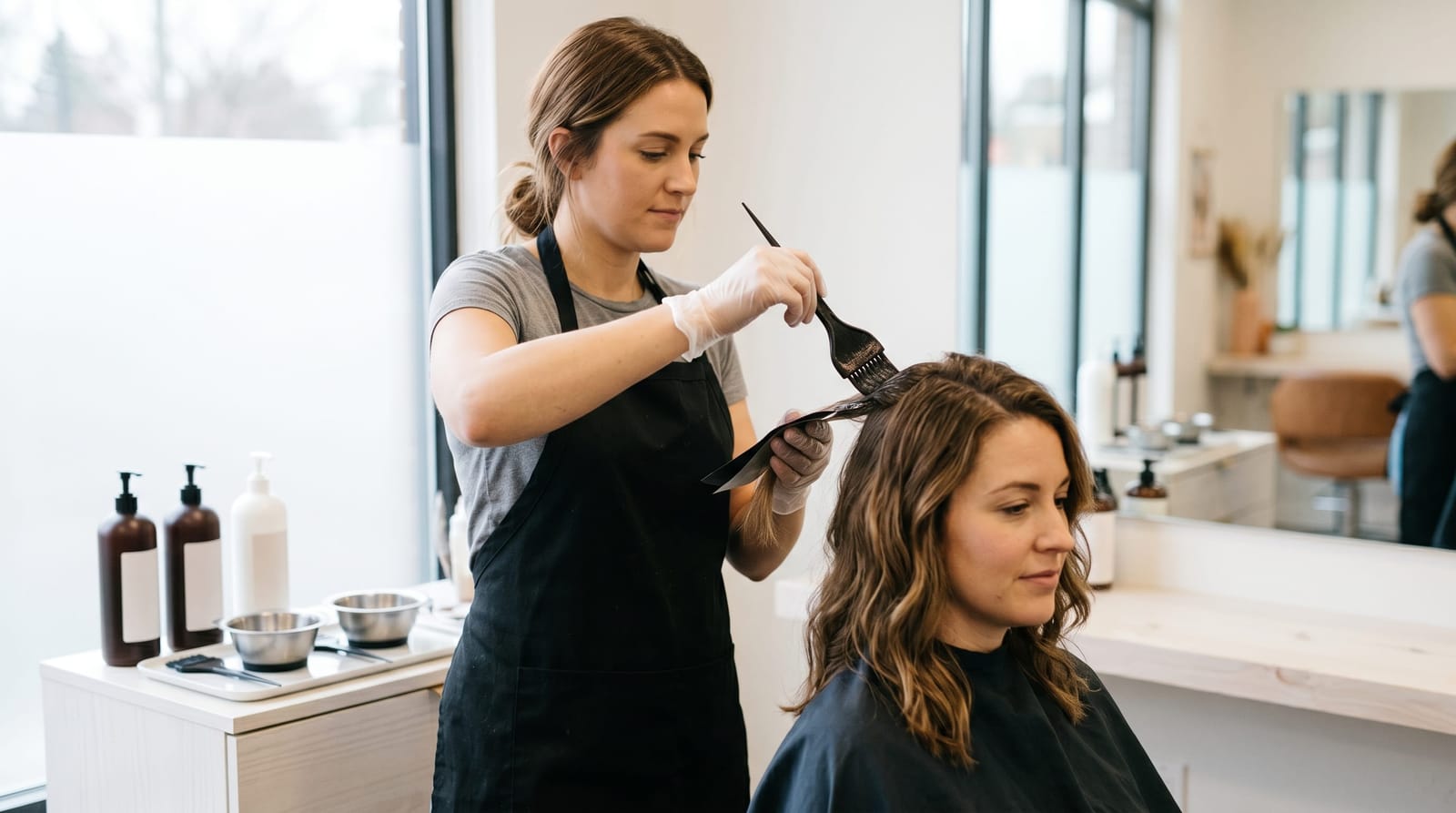
A single process color service is exactly what it sounds like: one chemical step applied to the hair in a single session. This typically means depositing or slightly lifting color using a permanent or semi-permanent formula mixed with developer. Common single process services include all-over color, root touch-ups, toning, and glossing treatments.
Because the chemistry happens in one step, single process color is generally gentler on the hair. The cuticle opens to allow pigment to penetrate, color is deposited or slightly altered, and the cuticle closes. The overall chemical load on your strands is lower compared to more complex services.
Single process works beautifully for clients who want to:
- Cover gray hair with a uniform shade
- Refresh or deepen their natural tone
- Shift color by one to three levels darker or slightly lighter
- Maintain consistent color between highlights or balayage appointments
- Add richness and vibrancy to dull, faded hair
Processing time for a single process service typically ranges from 30 to 45 minutes, making it one of the more efficient salon appointments you can schedule. It's also more budget-friendly than multi-step services, which is why many clients use it as a maintenance tool between larger color transformations.
What Is Double Process Hair Color?
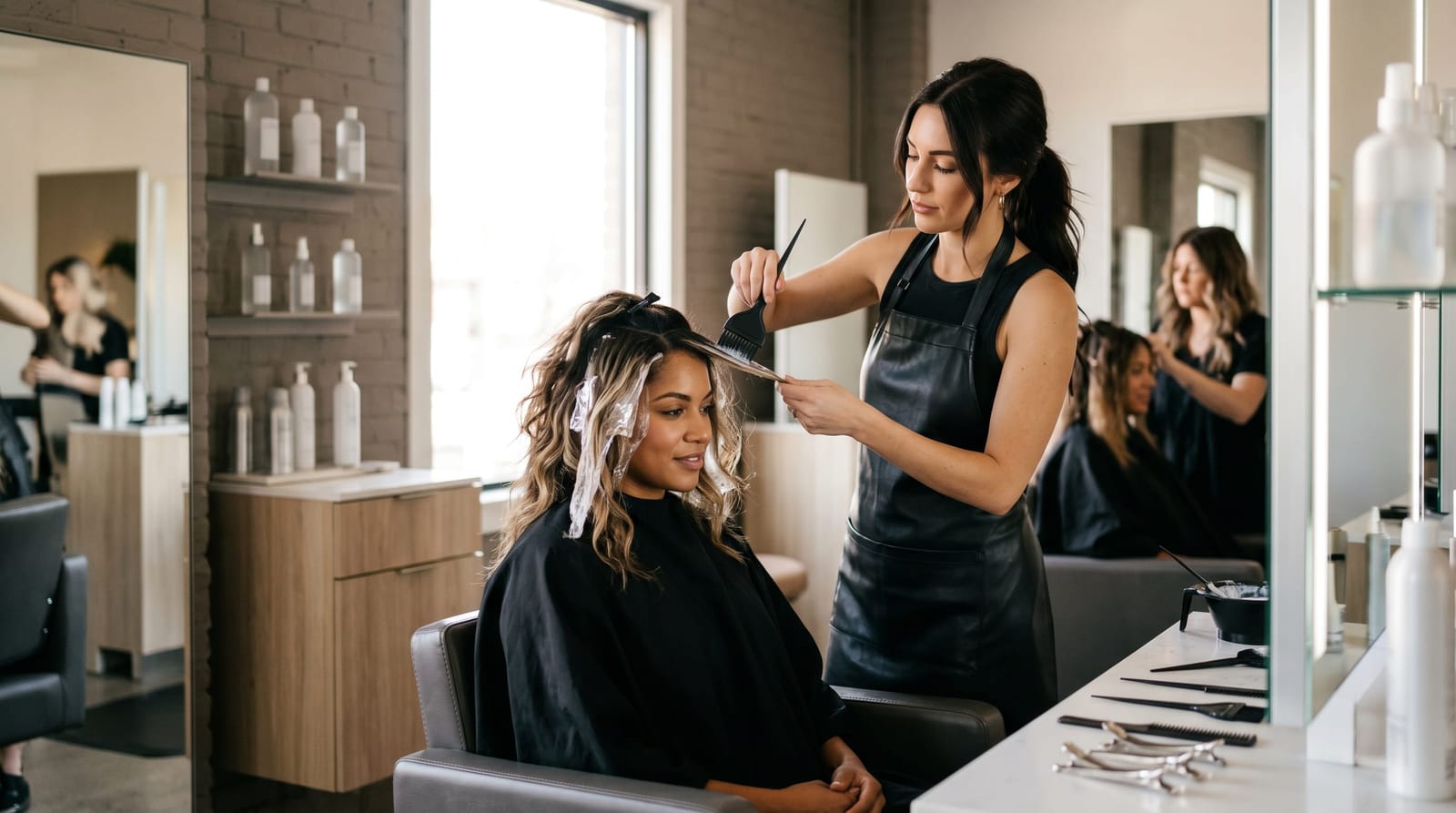
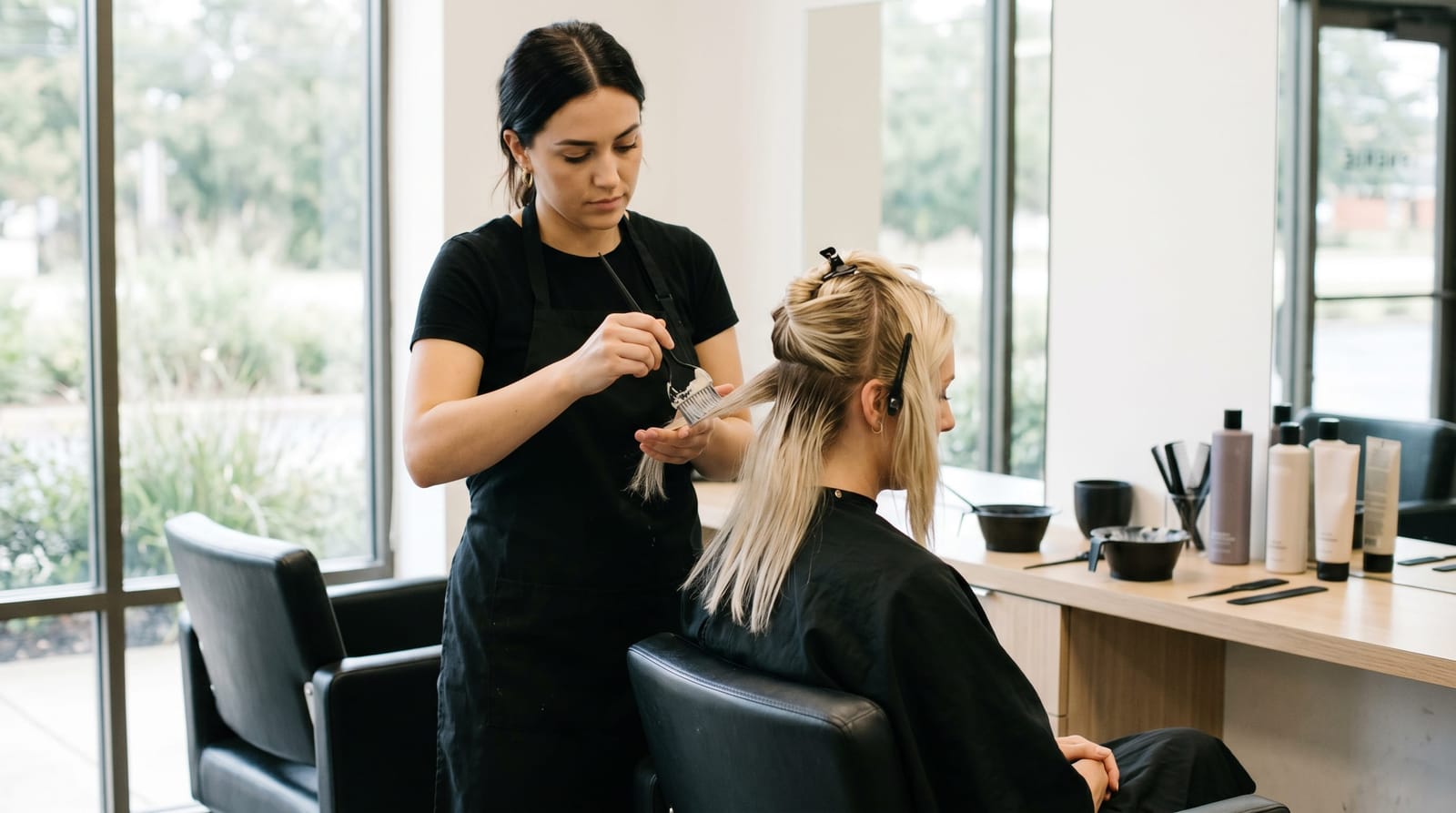
A double process color service involves two distinct chemical steps, and that distinction is significant. The first step is typically a bleach or lightener application, which strips the hair of its existing pigment. Once the hair reaches the target level of lightness (often called the "lift"), the bleach is removed, and the second step deposits the desired tone or color onto the now-lightened canvas.
This two-step approach is what makes dramatic color transformations possible. Going from dark brown to platinum blonde, achieving a vivid fashion color, or creating a bright, clean balayage result on naturally dark hair: none of this is achievable in a single chemical step. The bleach removes the underlying warm pigments that would otherwise muddy or distort the final color, giving your colorist a clean foundation to work with.
Double process color is the right choice when you want to:
- Go significantly lighter (more than three levels of lift)
- Achieve platinum, ash blonde, or icy tones on naturally dark hair
- Create vivid, fashion-forward colors like dusty rose, silver, or violet
- Refresh a full highlight or balayage transformation with a toner
- Correct previous color work that requires lifting before re-depositing
Processing time varies considerably, from two hours to an entire half-day appointment, depending on your starting color, the target result, and your hair's condition. This is a service that rewards patience and should never be rushed.
Hair Health: Understanding the Trade-Offs
The chemical reality of double process color means a higher demand on your hair's structural integrity. Bleach works by breaking down the melanin inside the cortex of each strand, which is effective but does cause some degree of protein disruption. When performed correctly by an experienced colorist using quality lighteners, the results are stunning, but it does require thoughtful aftercare and maintenance to keep the hair strong and healthy.
Single process color is meaningfully gentler. It still involves chemistry, the cuticle opens, pigment molecules shift, but you're not removing existing color, only altering or depositing it. Clients with fine, fragile, or previously processed hair often benefit most from single process services, or from a phased approach that gradually moves toward lighter color over multiple appointments rather than attempting a dramatic transformation all at once.
At Substance Salon, we always assess your hair's current condition, elasticity, and history before recommending a double process service. Bond-building treatments like Olaplex can be incorporated into the bleaching process to minimize structural damage, and we'll always be honest if your hair needs strengthening before it's ready for a more intensive lift. If you're exploring color services for professional women that work with your specific hair needs, particularly if your hair has changed in texture or density over the years, the right approach balances beautiful results with long-term hair health.
Cost and Timing: What to Expect at the Salon
The investment for each service reflects both the time and the complexity involved. Single process color at a premium salon typically ranges from $85 to $150 depending on hair length and the specific service. It's a relatively contained appointment, often under two hours including consultation, application, processing, shampoo, and style.
Double process services require significantly more time and expertise. A full double process transformation, lightening, toning, finishing, can run anywhere from $200 to $400 or more depending on your hair's length, density, and the complexity of the look you're after. That investment reflects hours of skilled technical work, premium product usage, and the colorist's expertise in managing the lightening process safely.
From a maintenance standpoint, single process color typically needs refreshing every four to six weeks if you're covering gray or maintaining a specific tone. Double process results, particularly platinum or heavily lifted color, may require toning every six to eight weeks to maintain the desired shade, with full re-lightening appointments less frequently., with full re-lightening appointments less frequently.
Which Service Is Right for You?
The simplest way to think about it: if you love your natural color and want to enhance, deepen, or slightly shift it, single process is likely your answer. If you want to go significantly lighter or achieve a tone that's impossible without lifting your base first, you're looking at a double process service.
A few questions worth considering before your consultation:
- How many levels of change are you asking for? One to three levels lighter or darker? Single process may work. Four or more levels lighter? Plan on double process.
- What's your hair's current condition? Previously bleached, fine, or compromised hair may need a phased approach rather than an aggressive one-session transformation.
- What's your maintenance commitment? Double process results, especially platinum, require consistent upkeep to stay looking their best.
- What's your timeline? An event next week probably isn't the right moment to attempt a first-time dramatic lightening service. Build in time for a consultation and, if needed, a gradual approach.
Frequently Asked Questions
Can I switch from single process to double process color?
Yes, but the transition requires a careful assessment of your hair's health and history. Your colorist will evaluate whether your strands can handle the additional chemistry of bleaching, and may recommend a conditioning treatment series beforehand to strengthen the hair in preparation for lift.
Is double process color always damaging?
Not necessarily, when it's done by an experienced colorist using high-quality lighteners and bond-building additives. The key is not over-processing: stopping the lift at the appropriate level and following a professional aftercare regimen. Hair that is well-maintained between appointments can tolerate double process color beautifully.
Does single process cover gray hair effectively?
Yes. Single process permanent color is one of the most reliable methods for full gray coverage, especially when formulated with the right developer strength and shade selection. For clients with resistant gray, your colorist may recommend a slightly longer processing time or a pre-softening step to open the cuticle more effectively.
How do balayage and highlights relate to single vs double process color?
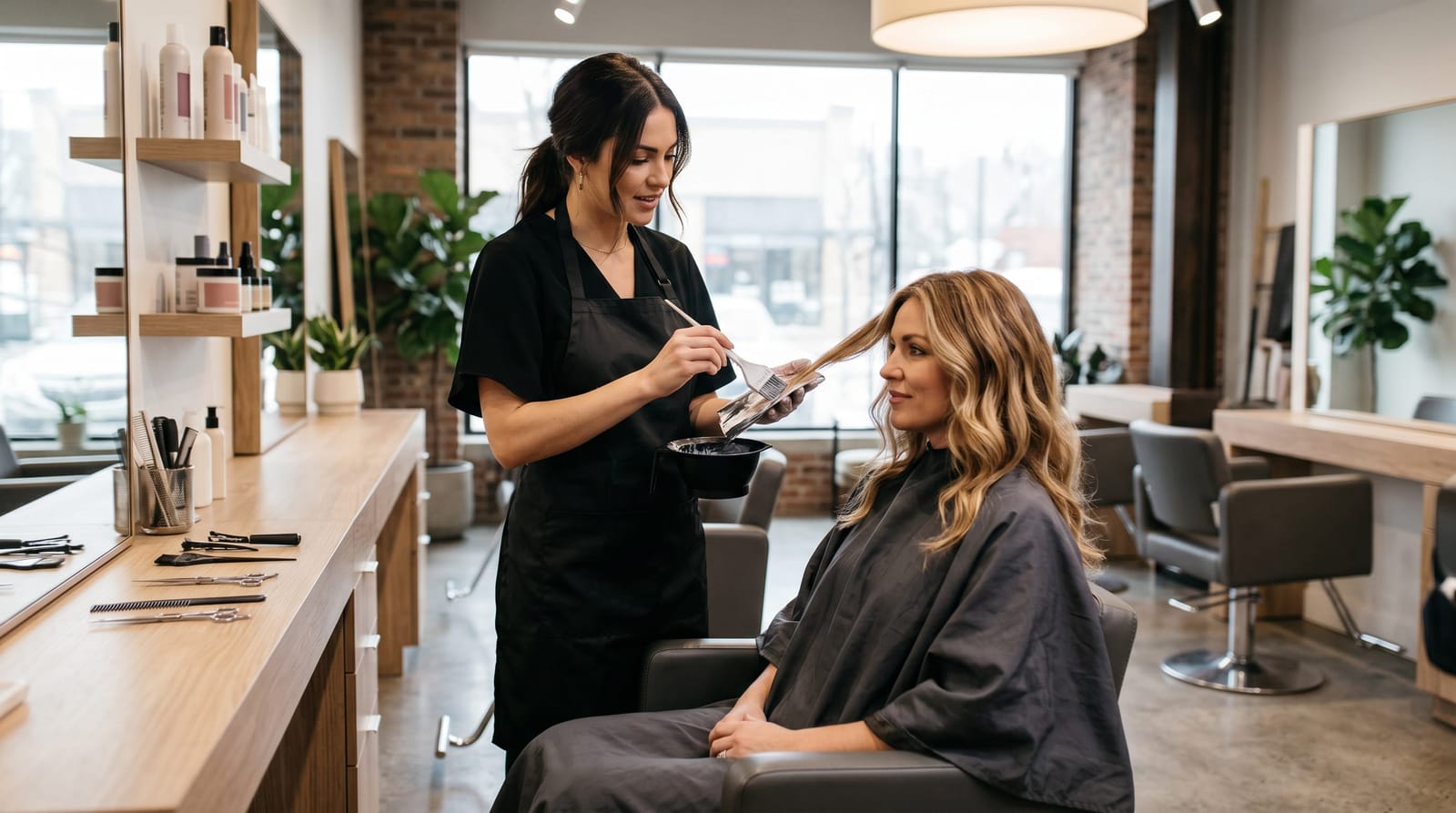
Balayage and highlights are technically lightening services: they involve bleach or lightener applied to specific sections of hair, which makes them a form of double process when followed by toning. However, because they don't cover the entire head, they're generally less intensive than a full double process transformation, and the grow-out is more natural and manageable.
The Bottom Line
When it comes to single process vs double process color, neither is universally better: they simply serve different goals. Single process is efficient, gentle, and ideal for maintaining or modestly shifting your color. Double process opens the door to dramatic transformations that wouldn't otherwise be achievable. The right choice depends on your starting point, your goal, and your hair's current health. A skilled colorist will assess all three before recommending a path forward, and at Substance Salon in Montclair, NJ, that conversation is always the first step toward getting the color result you deserve.