Smoothening Treatments for Frizzy Hair: Realistic Results by Hair Type
When clients start researching smoothening treatments, one of the first questions that comes up is simple but important: What will this actually look like on my hair? Understanding the full range of smoothening options, from Brazilian blowout to keratin treatment, is a great starting point, but the real conversation gets more specific than that. Results vary significantly depending on your natural texture, and hair smoothening for curly hair looks very different than it does for someone with fine, wavy hair. This post walks through four real client profiles, different hair types, different goals, different outcomes, so you can enter your consultation with clear expectations, the right vocabulary, and a much better sense of what's possible for your specific texture.
Why Hair Type Changes Everything About Smoothening Results
Smoothening treatments work by temporarily altering the internal structure of the hair strand to reduce frizz and relax the curl or wave pattern. But "relax" doesn't mean the same thing across the board. A tight Type 4 curl responds very differently to the same treatment than a loose Type 2 wave, and knowing this before you sit in the chair makes for a far more satisfying experience.
Stylists customize smoothening applications based on several factors:
- Your natural curl pattern and texture density
- Your hair's current condition and history
- The specific result you're aiming for: frizz reduction, partial relaxing, or full straightening
- How much time you realistically want to spend styling at home
The spectrum runs from gentle frizz softening all the way to near-complete straightening. Most clients land somewhere in the middle, and that middle ground is where the real artistry of a skilled stylist shows up. Before diving into individual hair type case studies, it's also worth knowing that if you have color-treated or chemically processed hair, you'll want to read up on hair smoothening for damaged hair to understand how your treatment plan may need to be adjusted.
Case Study 1: Tight Curls (Type 3C: 4A), The Frizz-Free, Curl-Retaining Goal
Client Profile: Dense, tightly coiled hair, significant frizz especially in humidity, wants defined curls, not straight hair.
This is one of the most common scenarios stylists encounter with hair smoothening for curly hair, and it's also the one with the most nuance. Clients with tight curls often don't want to eliminate their curl: they want to tame the frizz around it, reduce shrinkage, and achieve a smoother, more defined version of their natural texture.
What the Treatment Looked Like
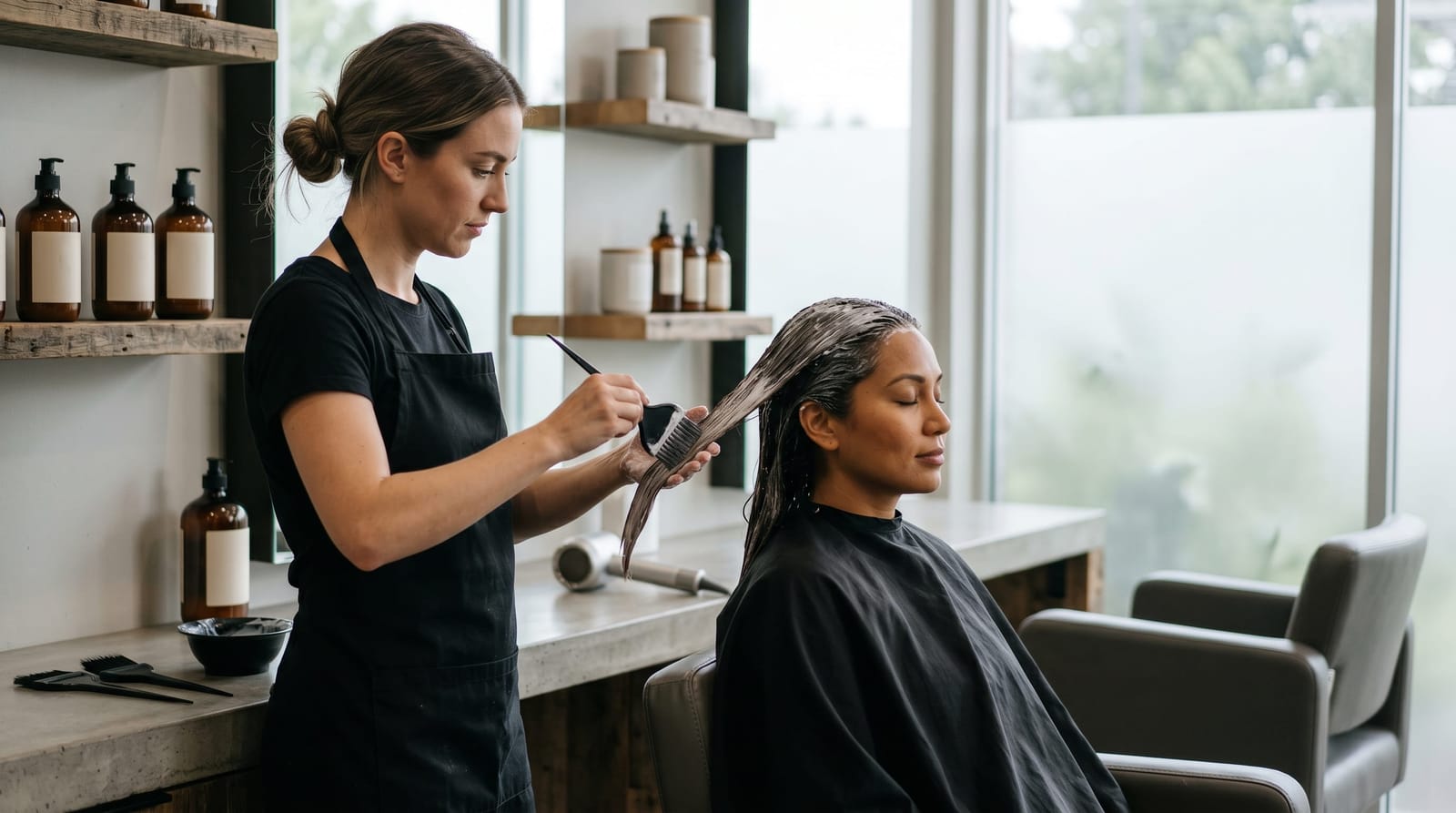
For this client, a demi-permanent smoothing treatment was applied with a lighter concentration and processed for a shorter time than would be used for someone seeking full straightening. The goal was to relax surface frizz while preserving the curl's shape. Post-treatment, her curls were noticeably smoother, shinier, and more uniform, without the straw-like frizz halo that had been her daily frustration.
What She Could Realistically Expect
About 40-60% reduction in frizz volume. Curls still present but more organized and easier to work with. Some curl loosening: tight coils may relax to a slightly wider spiral. Results that last 8-12 weeks with proper aftercare. Air-drying became a viable option for the first time in years.
How She Described Her Goal to Her Stylist
She brought in reference photos showing moisturized, defined curls, not blown-out or flat-ironed styles. She said: "I want my curls to behave, not disappear." That language gave the stylist a clear creative direction.
Case Study 2: Wavy Hair (Type 2B: 2C), The "Effortless Blowout" Look
Client Profile: Medium-density wavy hair with a tendency toward frizz and puffiness. Wants easy, low-maintenance smoothness without looking overly flat.
Wavy hair types often respond the most visibly to smoothening treatments because the wave pattern is less resistant than a tight curl but more prone to losing shape in humidity. Hair smoothening for curly and wavy hair at this texture level tends to produce some of the most dramatic before-and-after differences, which also means managing expectations carefully matters a lot here.
What the Treatment Looked Like
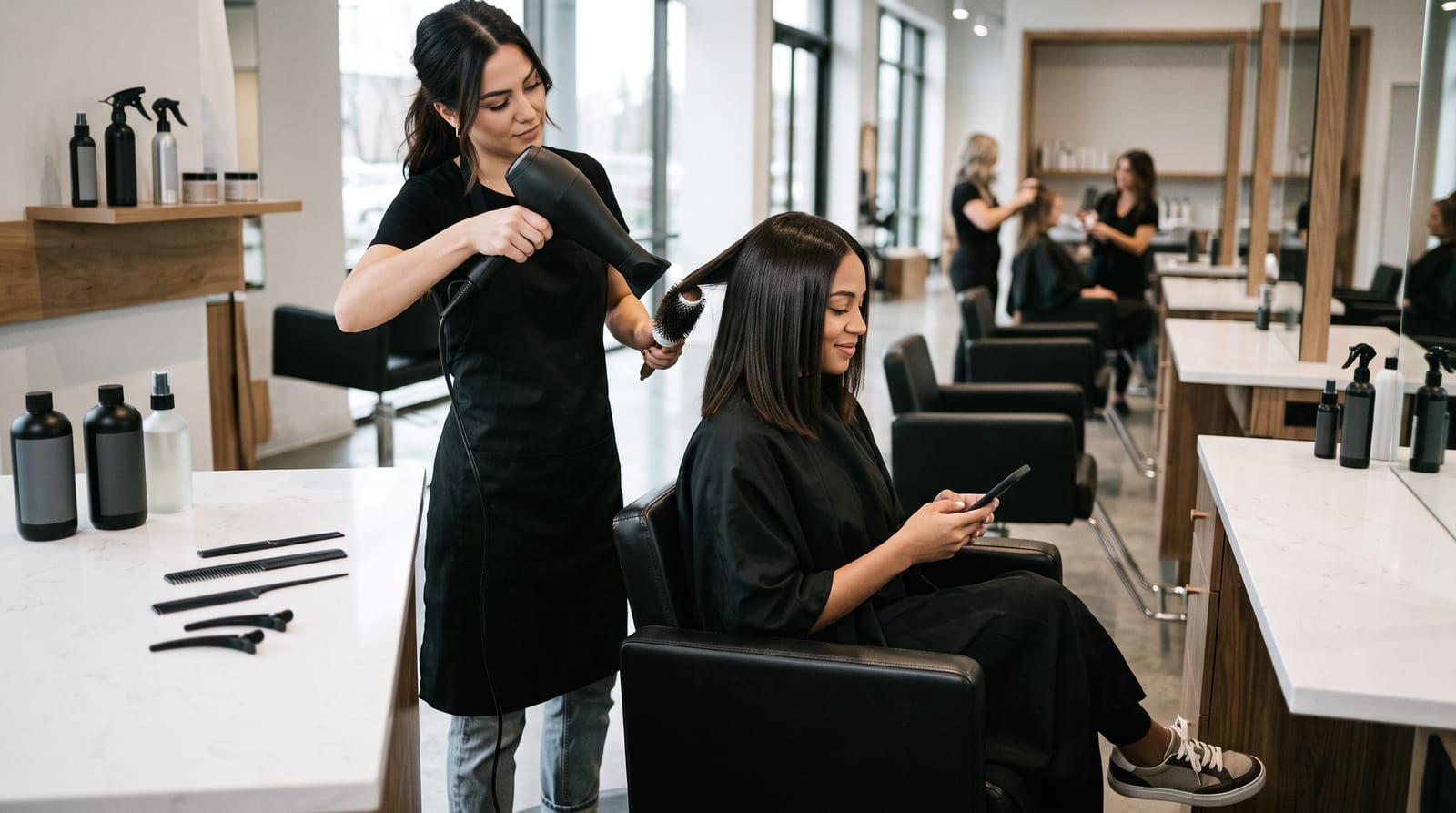
A full keratin treatment was applied with medium processing time. The stylist flat-ironed in sections to seal the treatment, and the client left with smooth, glossy hair that had a very soft, natural-looking wave rather than pin-straight results. The frizz was essentially eliminated.
What She Could Realistically Expect
Her waves softened significantly: what was a strong, frizzy wave became a relaxed, touchable texture. She could still encourage a wave pattern with a diffuser but had the option to let hair air-dry sleek. Maintenance dropped from 45 minutes of daily styling to about 10. Results lasted approximately 12-14 weeks.
How She Described Her Goal to Her Stylist
She showed photos of her hair on its best-ever air-dry day and said, "I want this every day, without effort." That's a very clear benchmark, and her stylist was able to match it confidently.
Case Study 3: Coarse, Thick Straight Hair with Frizz: Smoothing Without Over-Processing
Client Profile: Straight but extremely thick, coarse hair that puffs up in humidity and resists smoothing tools. Wants sleeker, more polished results without heavy product buildup.
This is a less-discussed use case for smoothening treatments, but it's just as valid. Coarse, thick straight hair can be just as frustrating to manage as curly hair, especially in humid climates. The frizz here isn't coming from curl pattern but from the hair cuticle's rough surface texture.
What the Treatment Looked Like
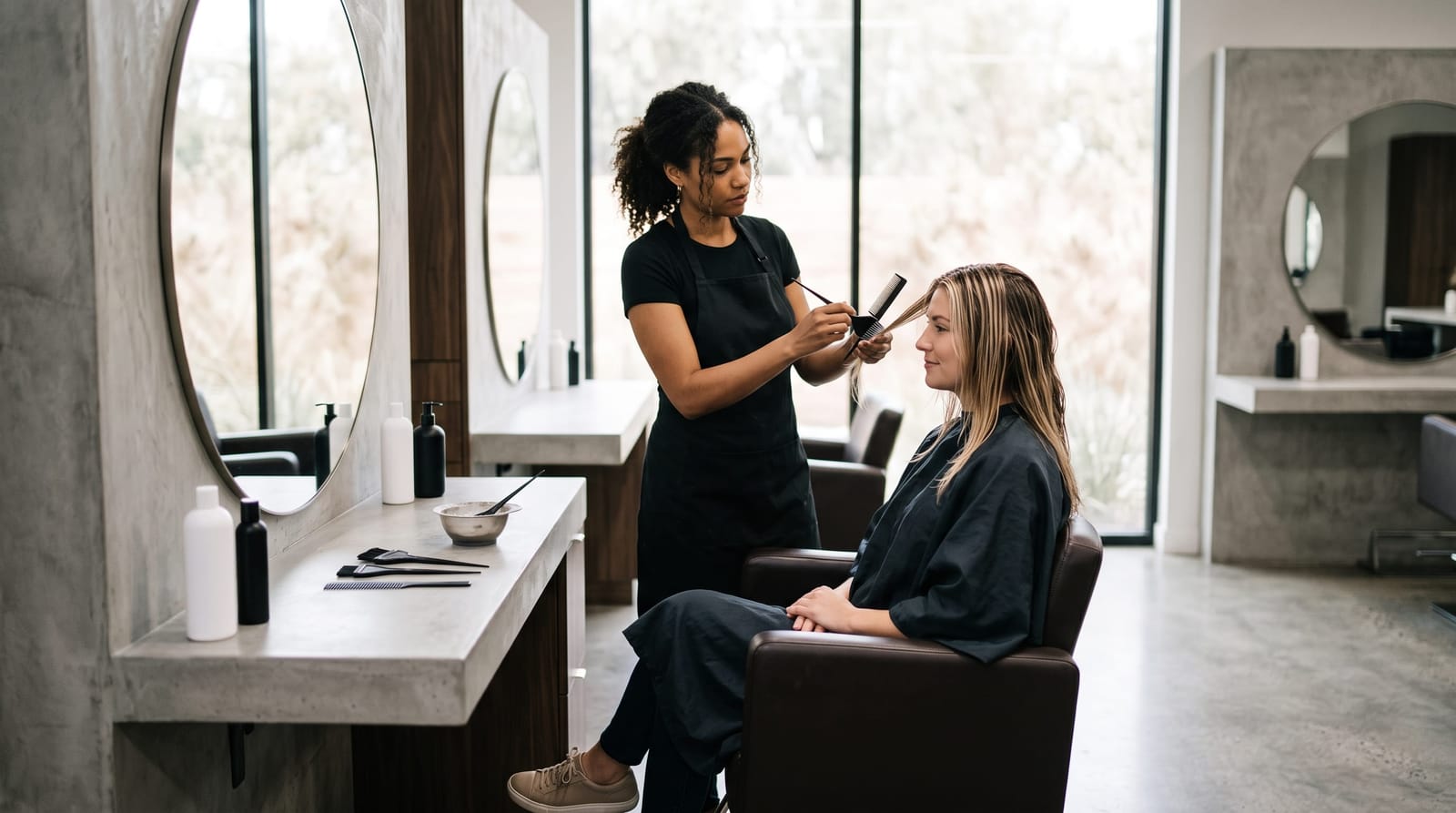
A lighter smoothing treatment was applied, not a full straightening formula, but one designed to smooth the cuticle and add weight to reduce volume. Processing time was kept on the shorter end to avoid over-softening hair that was already straight.
What She Could Realistically Expect
Noticeably shinier, smoother finish. Reduced "puff" in humidity. Easier blow-dry with significantly less time under the brush. The treatment didn't change her hair's straightness: it just refined the surface and made her existing texture more polished and manageable.
How She Described Her Goal to Her Stylist
She said, "My hair is straight but never looks smooth: I want it to look like I just left a blowout, every day." That description helped her stylist choose a gentler approach focused on shine and frizz control rather than curl reduction.
Case Study 4: Fine, Fragile Hair with Frizz: Keeping Volume While Calming Flyaways
Client Profile: Fine, color-treated hair that frizzes at the ends and around the hairline. Wants frizz control without losing body or weighing hair down.
Fine hair is where the "one-size-fits-all" thinking about smoothening treatments can go wrong fastest. A formula designed for thick, coarse curls applied to fine hair can result in flat, limp results, and that's the opposite of what most fine-haired clients want. Hair smoothening for curly or frizzy fine hair requires a much lighter touch and a very intentional product selection.
What the Treatment Looked Like
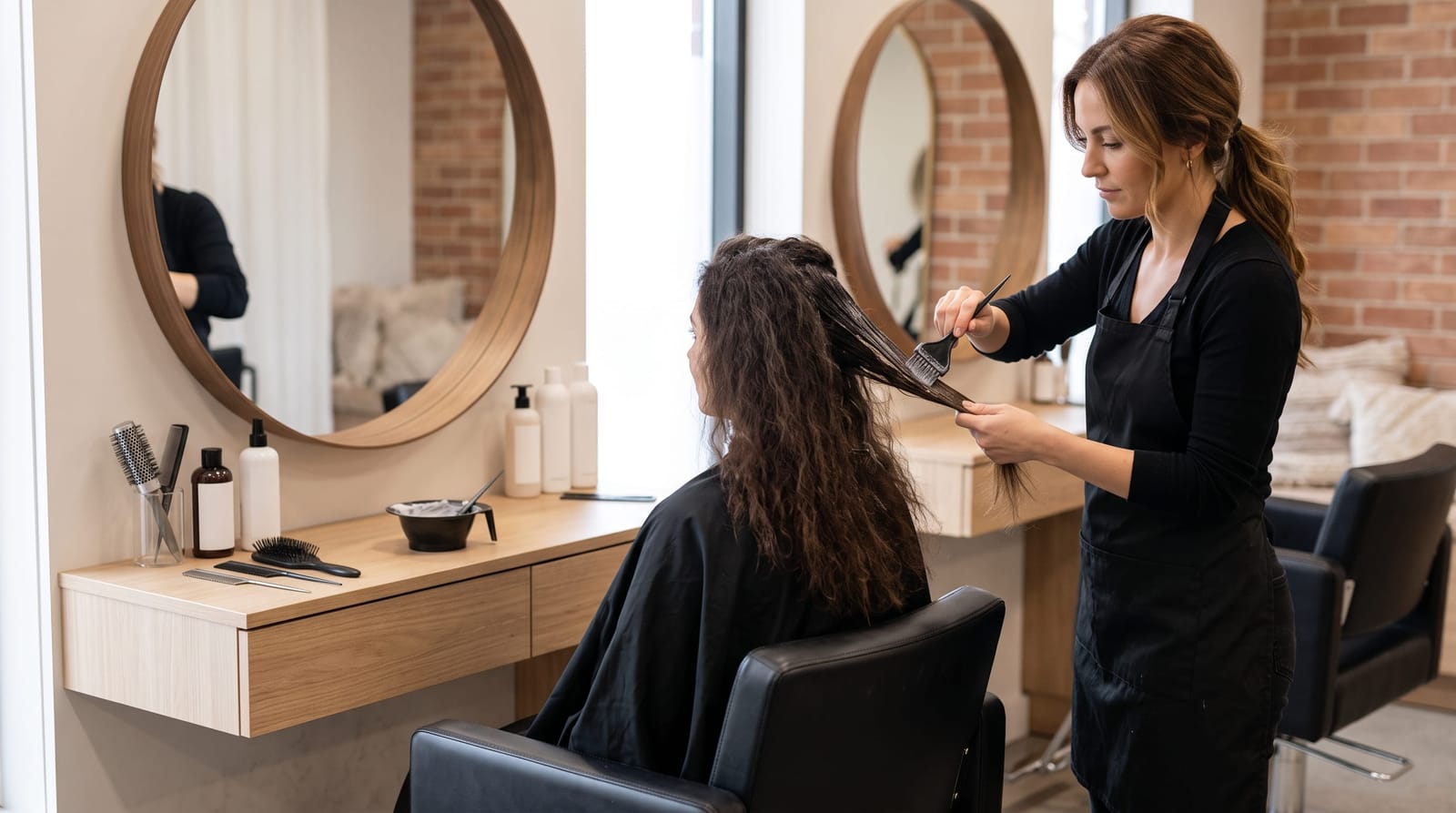
A gentler, low-formula smoothing treatment was applied only from mid-length to ends, avoiding the roots entirely to protect natural volume. The stylist used lower heat during the sealing process and kept the processing window short. Because this client also had color-treated hair, her stylist reviewed her recent chemical history before selecting the treatment: a step that's always worth taking for anyone with hair smoothening for damaged hair concerns.
What She Could Realistically Expect
Flyaways calmed down. The halo frizz around her hairline was significantly reduced. Ends looked smoother and more polished. Her hair retained its body and movement: the treatment didn't flatten it. Results lasted about 8-10 weeks.
How She Described Her Goal to Her Stylist
She said, "I don't want to look like my hair is plastered down: I just want it to stop flying everywhere." That's a perfect example of using personal language instead of technical terms to communicate clearly.
How to Talk to Your Stylist About Results You Actually Want
Across all four of these client profiles, one thing was consistent: the clients who were happiest with their results were the ones who came in with a clear, personal description of their goal, not just a single reference photo.
Here's a framework that stylists find genuinely useful during consultations for hair smoothening for curly hair and all other texture types:
- Describe your worst hair day: What does frizz look like on you: volume? Flyaways? Shrinkage? This helps your stylist understand the actual problem.
- Describe your best hair day: What would "great" look like? A defined curl? A sleek blowout? A relaxed wave?
- Talk about your routine: How much time do you want to spend styling daily? Do you air-dry, blow-dry, or both?
- Mention your history: Color treatments, previous chemical services, heat use, all of this informs which smoothening approach is right for you.
Once your treatment is complete, your aftercare routine becomes equally important. Learning how to wash hair after smoothening the right way will directly affect how long your results last and how your hair feels in the weeks that follow. And for ongoing maintenance, knowing the best shampoo after hair smoothening for your specific hair type makes a meaningful difference in preserving your results between appointments.
If you're also considering extensions alongside a smoothening treatment, there are important compatibility factors to discuss with your stylist: you can find specific guidance on hair smoothening for curly hair combined with extension services to understand how the two interact.
The Spectrum: From Frizz Reduction to Full Straightening
One of the most useful things a client can understand before their appointment is that smoothening isn't binary. It's not "straight or curly": it's a dial that a skilled stylist adjusts based on your texture, your goals, and the specific treatment being used. Here's a simplified way to think about the range:
- Level 1: Frizz Softening: Cuticle is smoothed, shine added, curl pattern mostly unchanged. Great for fine hair or anyone wanting minimal alteration.
- Level 2: Partial Relaxing: Curl pattern loosens by one or two levels. Frizz significantly reduced. Wave becomes more manageable. Most common outcome for curly hair.
- Level 3: Full Smoothing: Hair is significantly straighter, blows out easily, and minimal curl rebounds. Still not permanent: texture returns gradually.
Your stylist will help you identify which level aligns with your goals and your hair's current condition. The consultation isn't a formality: it's where the real work of personalization happens.
Conclusion
There's no universal result when it comes to smoothening treatments, and that's actually a good thing. The best outcomes happen when the treatment is tailored to your specific texture, condition, and lifestyle. Whether you're navigating hair smoothening for curly hair that you want to keep defined, or looking for a way to finally tame thick, resistant frizz, the key is coming to your consultation prepared with honest, personal language about what you're hoping to achieve.
Ready to find out what smoothening could look like for your hair? Book a consultation at Substance Salon and let's map out a plan built around your texture, your goals, and your real life.