Wedding Hair Extensions: Timeline and Planning Tips
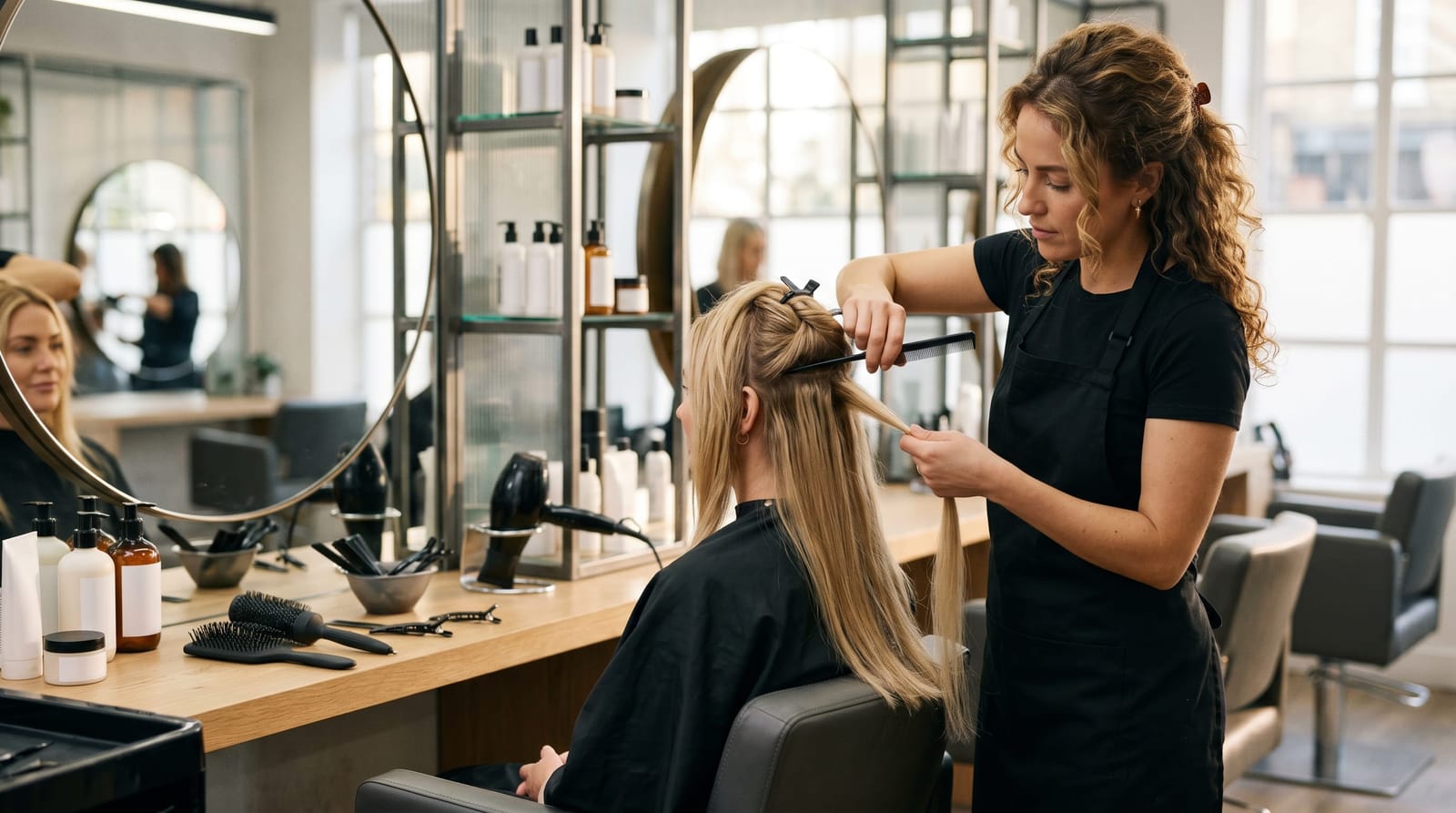
Your wedding day hair needs to be flawless. If you want dramatic length or lush volume, extensions are one of the best tools available. But wedding hair extensions planning and timing matters enormously. Schedule too late, and you risk poor blending, uncomfortable bonds, or no time to fix mistakes. This guide gives you a precise, month-by-month wedding hair extensions planning timeline, from your first consultation to your wedding morning, so you walk down the aisle with confidence.
Why a Wedding Hair Extensions Planning Timeline Is Non-Negotiable
Most brides underestimate how much advance preparation extensions require. This is not a last-minute service. According to bridal hair specialists, the ideal window for installing extensions is 4-6 weeks before your wedding date. That window gives the extensions time to settle, lets you practice styling them, and leaves room for adjustments if something is not quite right.
Here is the core problem with waiting: quality stylists in high-demand areas book out 6-12 months in advance during peak wedding season. If you decide you want extensions two weeks before your ceremony, your options shrink fast. You may end up with a stylist who does not know your hair type, or worse, no appointment at all.
There is also a practical comfort issue. Newly installed extensions, especially tape-ins or fusion bonds, can feel unfamiliar for the first 7-10 days. You do not want to spend your wedding night fidgeting with wefts or worrying about bonds. Starting early means you are completely comfortable with your extensions by the time your big day arrives.
Studies show that brides who complete at least one full hair trial report significantly higher satisfaction with their wedding day look. The trial is not optional: it is essential, especially when extensions are involved.
The Complete Wedding Hair Extensions Planning Timeline
9-12 Months Before: Research and Book Your Stylist
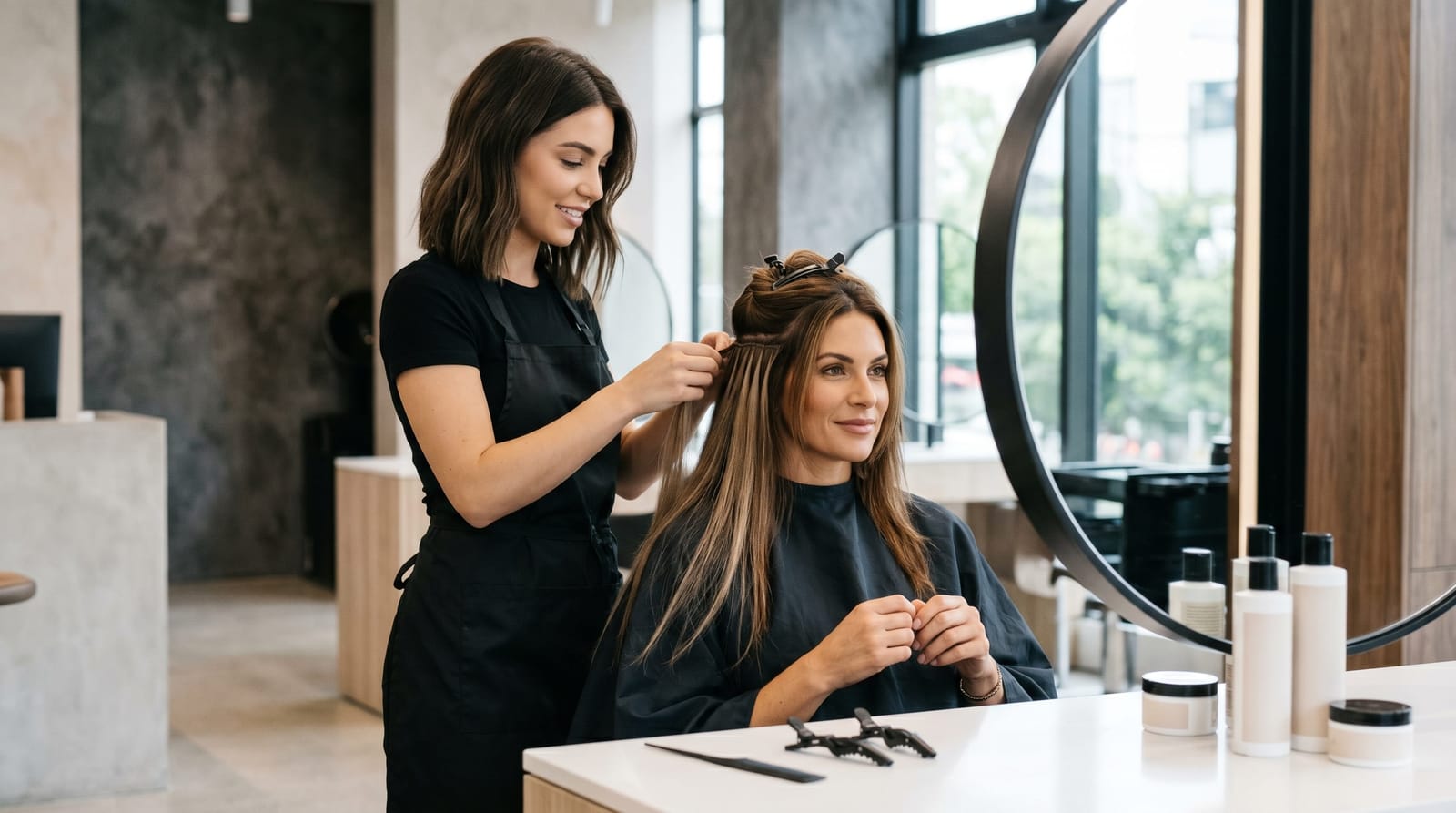
Start here. Use this early window to research salons that specialize in both bridal hair and professional extensions. Book your initial consultation as soon as you have confirmed your wedding date. Look for a stylist who has experience installing extensions on brides: someone who understands how updos, half-up styles, and veils interact with different extension methods.
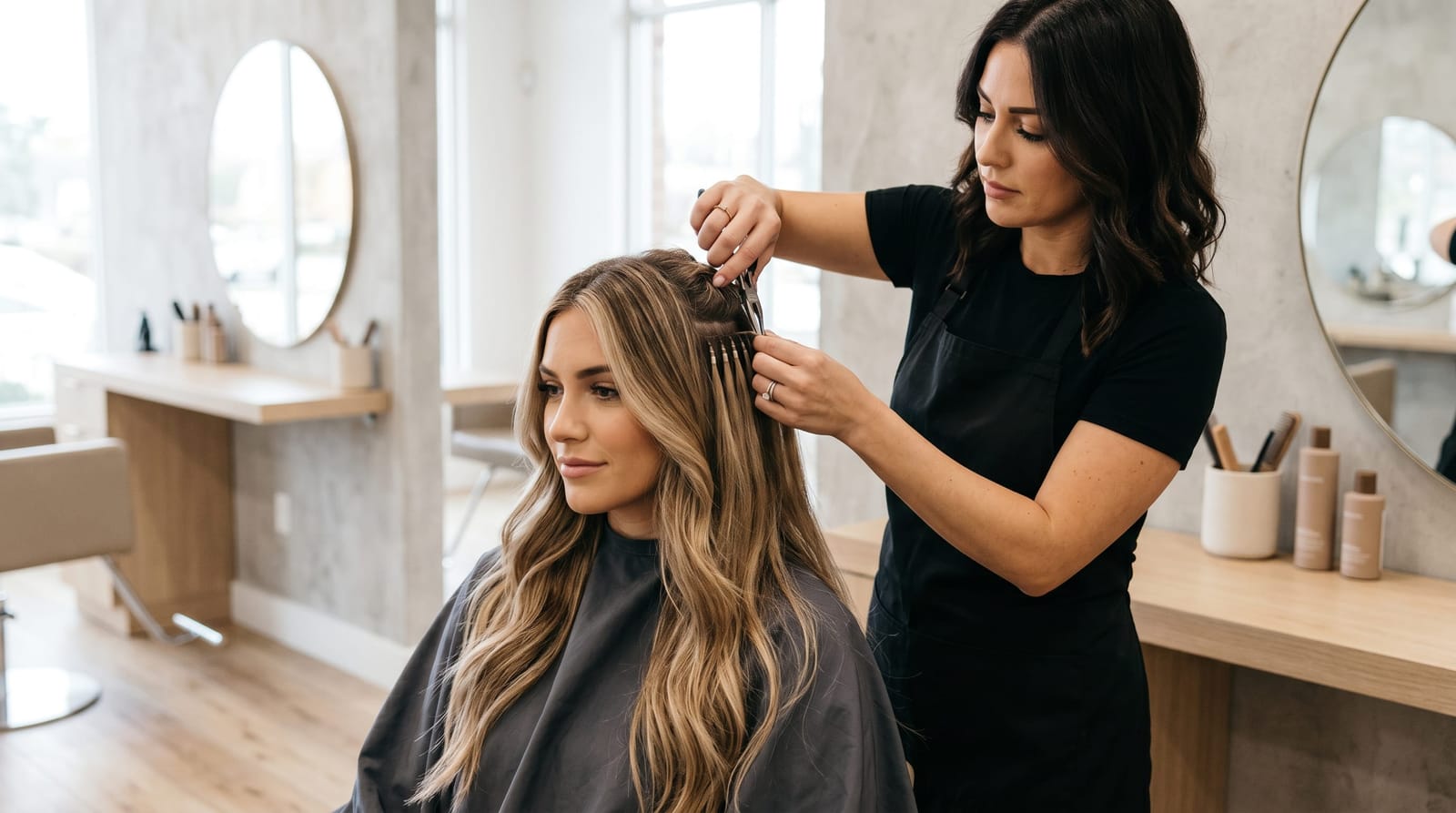
During this consultation, discuss your vision. Bring inspiration photos. Ask the stylist which extension method suits your natural hair texture and your desired style. Common options include tape-in, hand-tied weft, and fusion/keratin bond extensions. Each has different maintenance needs and price points ranging from approximately $300 to over $1,500 for the initial installation.
8-10 Weeks Before: Color Matching and Hair Preparation
If you plan to color your natural hair, whether highlights, a gloss, or a full color, do it 8-10 weeks before your wedding. This timing serves two purposes. First, it gives your color time to settle and soften before your trial. Second, it allows your stylist to match your extension color accurately to your processed hair, not your pre-color shade.
Color mismatches are one of the top three complaints brides have about their wedding hair extensions. Addressing color this early eliminates that risk entirely.
Also use this period to deep-condition your hair weekly. Healthy natural hair holds extensions better and blends more seamlessly. Ask your stylist to recommend a sulfate-free conditioning regimen designed for extension wearers.
6-8 Weeks Before: Schedule and Complete Your Bridal Hair Trial
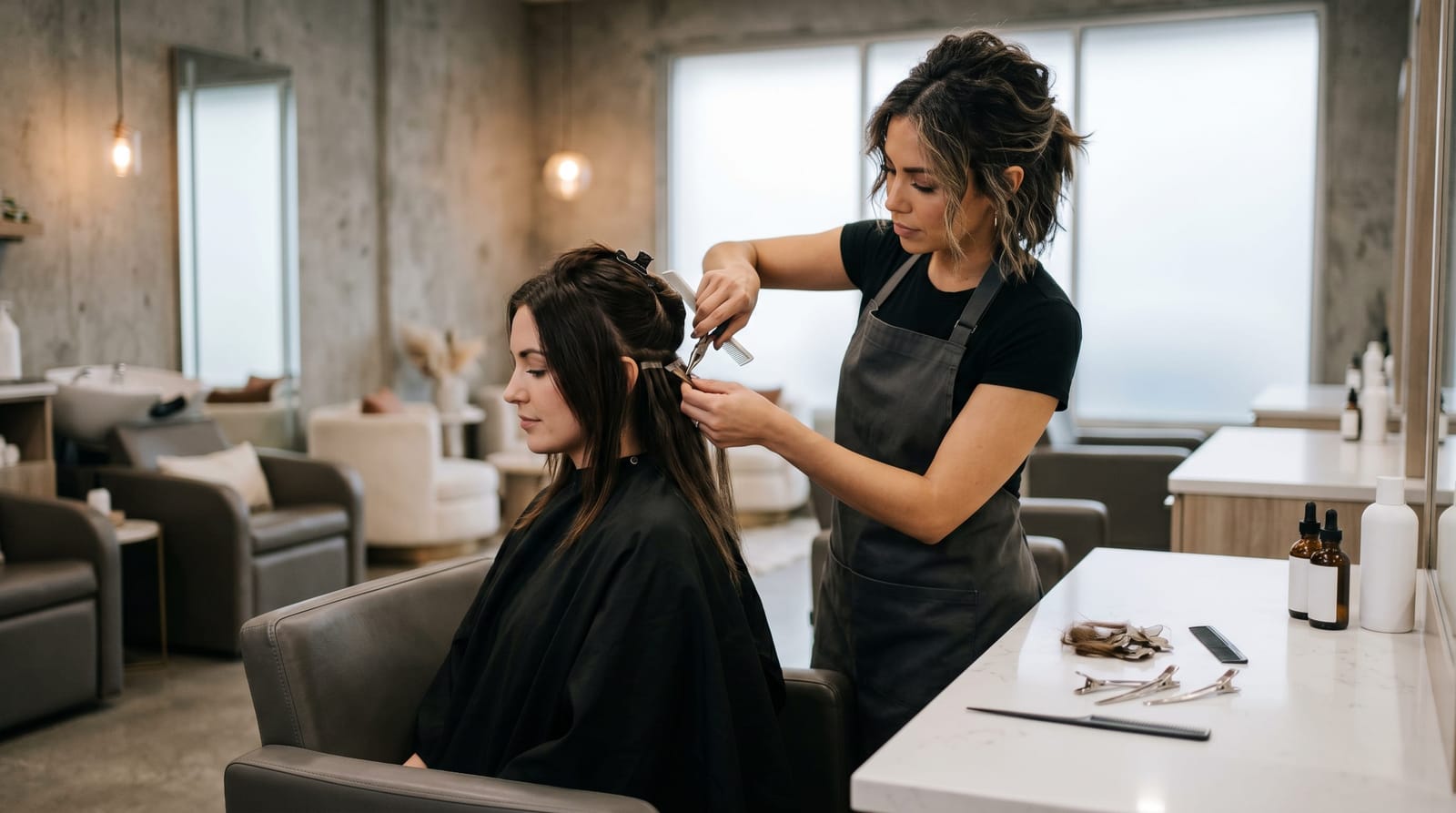
Your trial appointment is the single most important step in the wedding hair extensions planning process. Schedule it 6-8 weeks before your wedding. At this appointment, your extensions should already be installed so your stylist can work with the actual hair you will wear on your wedding day.
Wear your trial hair for a full day. Sleep in it overnight if possible. Take photos in different lighting, including outdoor light. Assess how the extensions feel after 8 hours. Note any areas where the blend looks uneven or the weight feels uncomfortable. Bring these observations back to your stylist before the final installation appointment.
If you are wearing a veil, bring it to the trial. Securing a veil over extension wefts or bonds requires specific techniques, and your stylist needs to practice this in advance.
4-6 Weeks Before: Install Your Wedding Extensions
This is the sweet spot for your final extension installation. Installing 4-6 weeks out gives you enough time to adapt to the weight and feel of your extensions. You will have at least 2-3 weeks of daily wear before your wedding, which means the extensions will look naturally settled, not brand new, on your big day.
Use this window to practice styling your extensions at home. If your wedding look involves curls, practice curling them. If it is a sleek updo, practice pinning them. The more comfortable you are working with your extended hair, the smoother your wedding morning will be.
1-2 Weeks Before: Final Check and Touch-Ups
Schedule a brief check-in appointment 1-2 weeks before your wedding. Your stylist can tighten any loosening tape-ins, check bond adhesion, and trim the extensions for a fresh, polished look. This appointment typically takes 30-60 minutes and costs significantly less than the original installation.
Do not attempt to wash your hair the day before your wedding. Extensions actually style more easily with a small amount of natural oil at the roots. Wash your hair 2-3 days before for the best results.
Coordinating Extensions with Your Bridal Hairstylist
Many brides work with two different professionals: the stylist who installs their extensions and a separate bridal hairstylist who creates the wedding day look. If this is your situation, communication between both professionals is critical.
Share your extension method and installation details with your wedding day stylist at least 4 weeks before the ceremony. Some updo techniques pull tension on extension bonds, which can be uncomfortable or damaging. A knowledgeable bridal stylist will adjust their technique accordingly.
Ideally, have your extension installation stylist attend the hair trial or at minimum provide written notes about placement, weft locations, and any styling limitations. This 15-minute communication step prevents hours of frustration on your wedding morning.
Not sure whether extensions or a different enhancement option is right for your vision? Understanding the hair extensions vs hair pieces difference can help you and your stylist land on the best choice for your specific wedding style goals.
Budget Planning for Bridal Hair Extensions
Wedding hair extensions involve multiple cost layers. Factor in all of these when building your bridal beauty budget:
- Initial consultation: $0-$75, often credited toward your installation
- Extension installation: $300-$1,500+ depending on method and hair quantity
- Color matching and processing: $100-$300
- Bridal hair trial: $75-$200
- Pre-wedding touch-up: $50-$150
- Wedding day styling (extensions included): $150-$400
Total investment typically ranges from $700 to $2,500 depending on your market and extension method. In areas like Montclair, NJ, where premium salons serve an affluent bridal clientele, budgeting toward the higher end of that range ensures access to the most experienced stylists and highest-quality hair.
Frequently Asked Questions
How long before my wedding should I get hair extensions installed?
Install your final wedding extensions 4-6 weeks before your wedding date. This gives the extensions time to settle and feel natural, while still leaving room for a touch-up appointment 1-2 weeks before the ceremony. Avoid installing extensions for the first time within 2 weeks of your wedding.
Should my extensions be installed before or after my hair trial?
Always install your extensions before your bridal hair trial. Your trial should be conducted with the exact hair you will wear on your wedding day: same length, same weight, same volume. A trial without extensions in place gives you an inaccurate preview of your final look and wastes valuable preparation time.
Can I wear a veil with hair extensions?
Yes, and many brides do. However, veil placement must account for your extension wefts or bonds. Schedule your trial with your veil in hand so your stylist can develop a placement technique that is both secure and comfortable. Clip-in veils work particularly well with hand-tied weft extensions.
What happens if I hate my extensions after the trial?
The trial exists precisely for this reason. If you dislike the length, blend, or method, you have 4-6 weeks to make changes. Common adjustments include trimming for more natural blending, adding toning to better match color, or switching to a different extension method entirely. Communicate every concern clearly with your stylist: no detail is too small when your wedding day look is involved.
Your Wedding Hair Extensions Plan Starts Now
Successful wedding hair extensions come down to one thing: starting early. Follow the wedding hair extensions planning timeline outlined above, research at 9-12 months, color at 8-10 weeks, trial at 6-8 weeks, installation at 4-6 weeks, touch-up at 1-2 weeks, and you eliminate virtually every common bridal hair disaster. Extensions are a powerful tool for achieving your dream wedding look, but only when they are planned, installed, and maintained by professionals who understand the bridal context. Book your consultation early, communicate clearly, and enjoy the process.