Glaze vs Toner: What's the Difference?
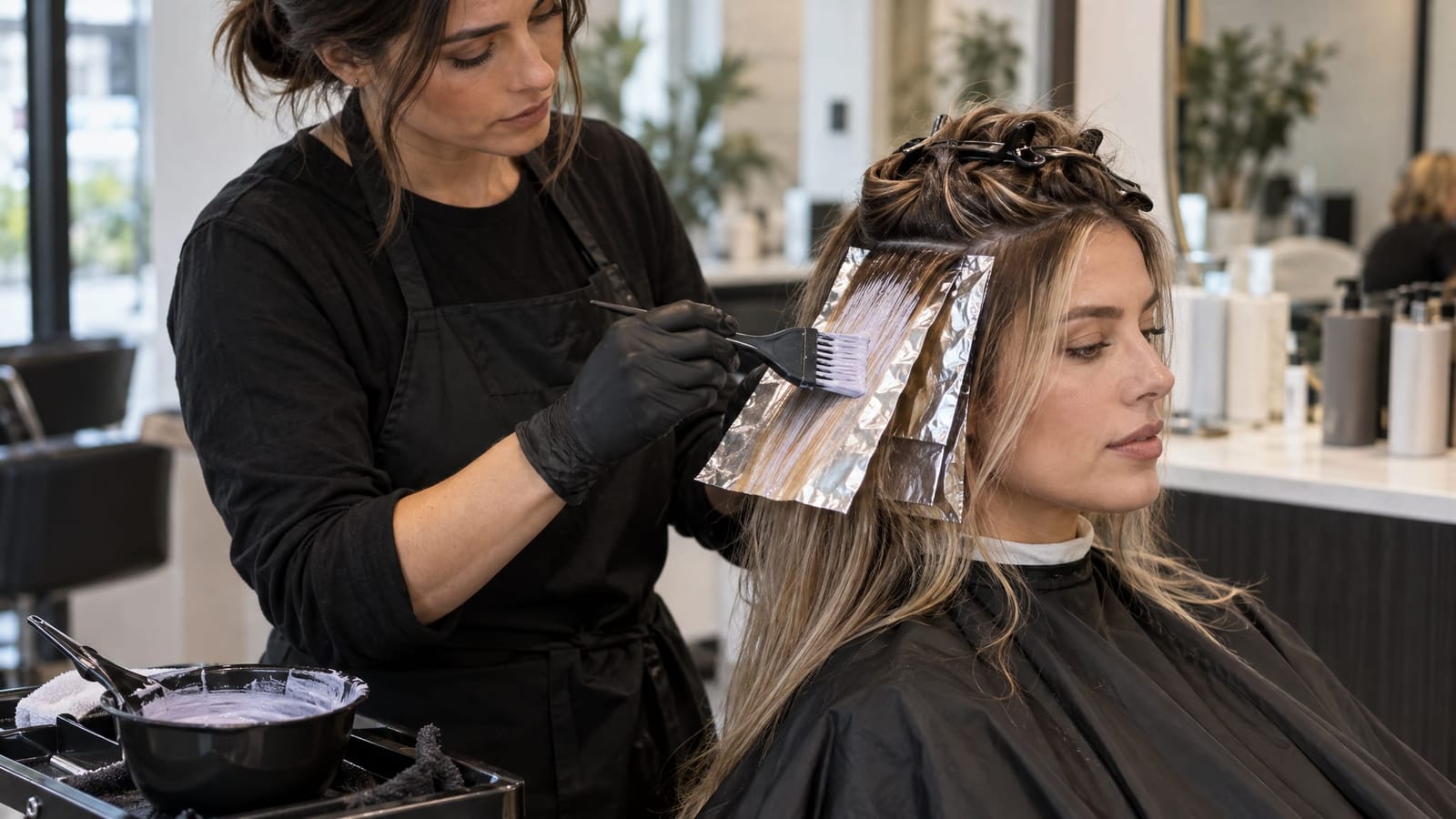
The main difference between a hair glaze and a toner is the goal: a glaze usually emphasizes shine and a refreshed finish, while a toner adjusts the color you see. But they are not opposites. A tinted glaze can also work as a toner, refining warmth while adding shine.
When comparing hair glaze vs toner, the most useful question is whether you want more shine, a different tone, or both. The service name alone does not tell you exactly which formula your hair needs.
Hair Glaze vs Toner at a Glance
| Comparison | Hair glaze | Toner |
|---|---|---|
| Main purpose | Add shine and refresh the overall finish, sometimes with a color adjustment. | Refine the shade by balancing unwanted tones or adding a desired tone. |
| Color options | Clear or tinted, depending on the service. | Uses pigment to influence the visible color. |
| Common reason to choose it | You like your color but want it to look more polished or refreshed. | Your color looks too yellow, orange, cool, or otherwise different from your goal. |
| Where they overlap | A tinted glaze can provide tonal adjustment. | A toning service can also leave a glossy finish. |
Neither term identifies one universal formula. “Glaze” describes a type of finishing service, while “toner” describes a color-adjusting function. That is why the same service can fit both descriptions.
Which Fits Your Goal: Shine, Tone, or Both?
Choose a shine-focused glaze when you like your existing color
If your brunette, blonde, or natural color already feels right, a clear glaze offers a shine-focused option without intentionally adding a new hue. A tinted glaze makes more sense when the finish needs shine and the color could use a subtle refresh.
For example, a brunette who likes her overall depth but misses a rich chocolate finish has a different goal from someone trying to remove orange tones. Both might receive a glaze, but the pigment choices would serve different purposes.
The distinction to make during a consultation is simple: “Keep this color, add shine” versus “Refresh this color and adjust the shade.”
Choose toning when the shade is the issue
Toning is about directing color. That can mean softening yellow in blonde hair, balancing orange in lighter brunette hair, or adding warmth to a result that feels too cool.
Yellow and orange are not interchangeable. Violet pigments counter yellow, while blue pigments counter orange. The starting shade and desired finish determine the balance, so “make it less brassy” benefits from a more specific conversation.
Toner also does not automatically mean ash blonde. Beige, golden, copper, and other warm finishes can involve toning. The aim is the tone you want, not the removal of all warmth.
Choose a tinted finishing service when both need attention
If highlights look warmer than you prefer and the finish has lost its polish, one tinted glaze can address both concerns. You do not automatically need two separate services simply because you want tone control and shine.
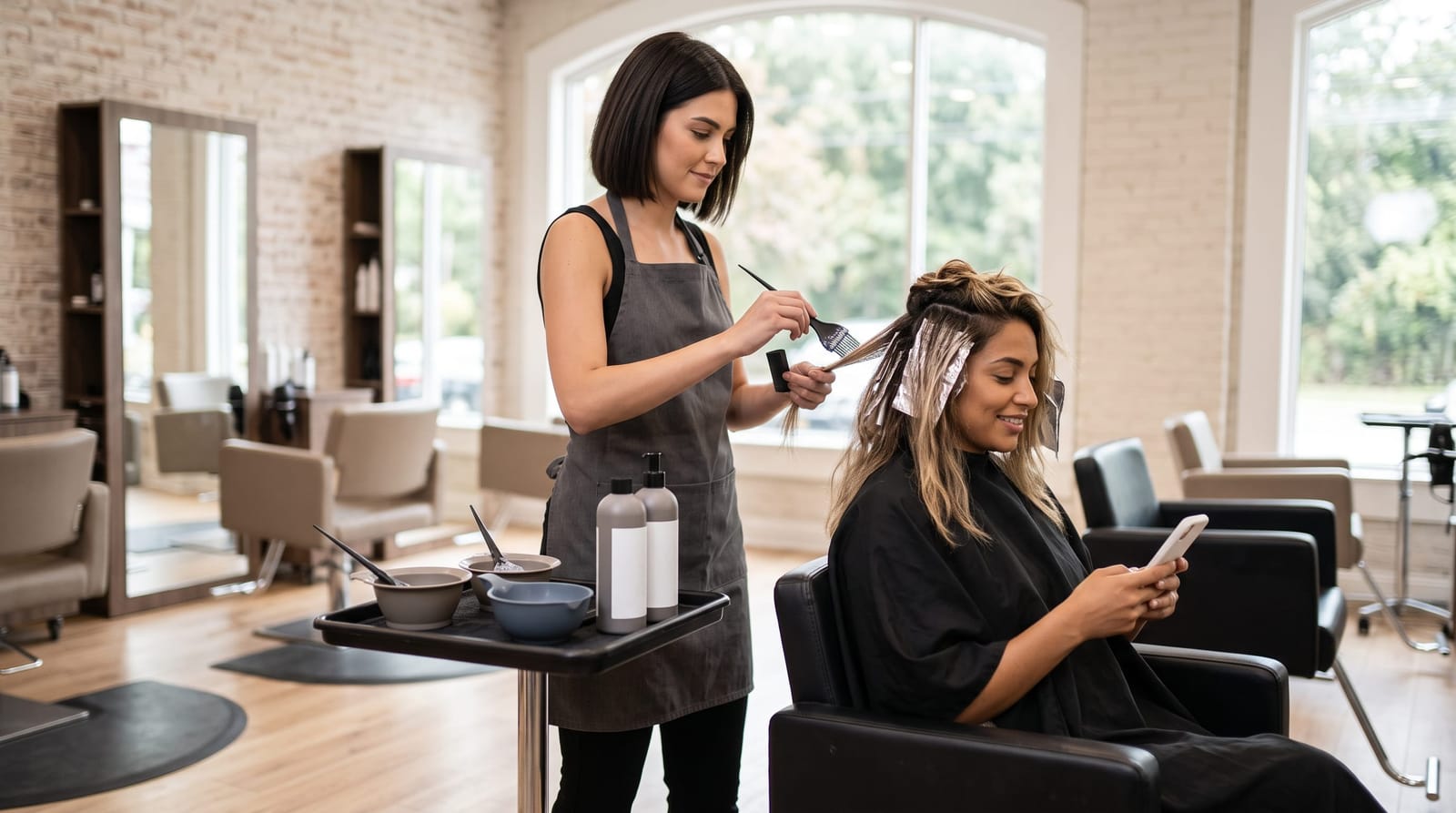
At Substance Salon in Rutherford, we finish our full balayage and partial foil services with a glaze. This is where the distinction becomes practical: the finishing step helps complete the color rather than functioning as an unrelated extra.
What Neither Service Can Replace
A deposit-only glaze or toner adds pigment rather than lightening the hair. If your goal is substantially lighter hair, that requires a separate lightening decision. Toning can refine existing highlights, but it cannot create new highlight placement.
There is also a tradeoff between cooling a shade and keeping it looking bright. Adding cool pigment can make hair appear deeper. A golden blonde who wants only a slight reduction in yellow may prefer a softer adjustment over an intensely ashy finish.
Similarly, a glaze is not a haircut or a permanent repair for worn ends. Added shine can improve the overall appearance, but it does not replace trimming or a suitable care routine.
Maintenance: Compare the Formula, Not Just the Name
There is no universal longevity winner between glaze and toner. The formula, your starting color, hair condition, washing habits, and styling routine all influence how the finish wears.
A subtle tonal shift can become noticeable as it fades, even while the hair still looks shiny. Conversely, the polished feel of a clear glaze can diminish without an obvious color change. These are different signs of wear, not necessarily different service quality.
Understanding how long a hair glaze lasts helps set expectations for maintenance. Gentle cleansing, conditioner suited to your hair, and limiting unnecessary heat support a consistent finish between appointments.
The service name alone also does not answer whether hair glaze is damaging. Formula choice, previous processing, and application matter more than assuming every product called a glaze behaves identically.
How to Describe the Result You Want
You do not need to arrive with the service already chosen. A useful consultation separates the parts of your color you love from the parts you want to change:
- Depth: Do you want to stay just as light or dark?
- Tone: Do you prefer golden, beige, cool, copper, or neutral?
- Finish: Is shine the main concern, or does the color itself feel off?
- History: Mention recent salon color and at-home color or tinted products.
A reference photo helps most when you identify what appeals to you, such as a soft beige tone rather than the model’s lighter overall color.
Frequently Asked Questions
Can you glaze or tone hair that has never been colored?
Yes. A clear glaze can focus on shine, while a tinted formula can subtly influence natural color. The effect depends on the starting shade. A deposit-only product will not turn naturally dark hair blonde.
Will a glaze or toner cover gray hair?
Some tinted formulas soften the contrast between gray and pigmented strands, but blending is different from full coverage. If your goal is an opaque, uniform result, describe that clearly rather than assuming a glaze or toner will provide it.
Can purple shampoo replace a salon toner?
Purple shampoo deposits violet pigment to help counter yellow. It can support certain blonde or gray finishes between appointments, but it is not a custom correction for every unwanted tone. Overuse can also leave a violet cast instead of the balanced shade you intended.
The Bottom Line
Think of glaze as a finishing service and toner as a color-adjusting function. Sometimes you need one; sometimes a single formula does both. The best choice starts with what you want to keep, what you want to change, and how much maintenance fits your routine.