How to Wash Hair with Extensions
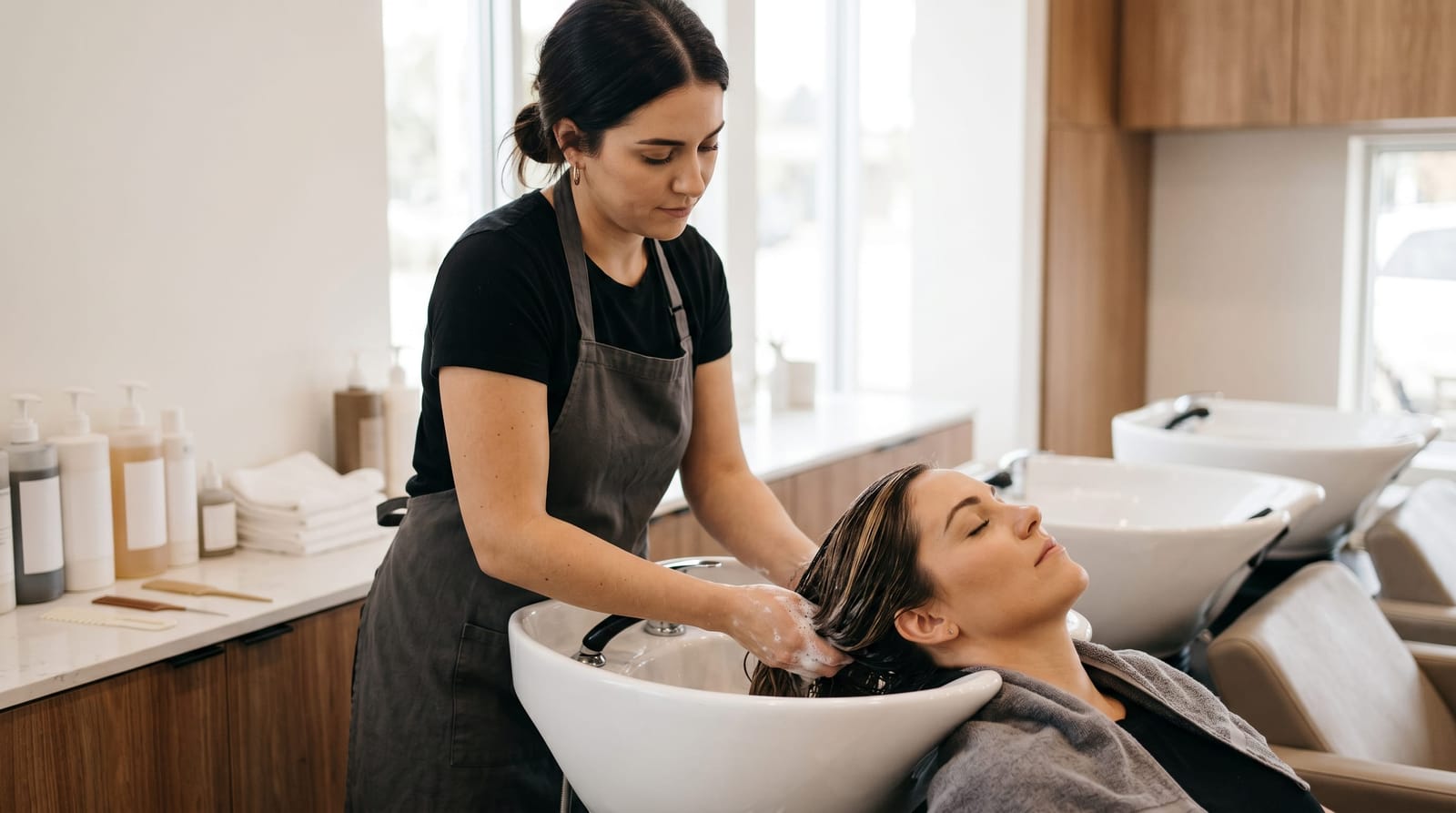
Learning how to wash hair with extensions properly is one of the most important skills you can develop after your salon appointment. Washing incorrectly is the number one reason extensions tangle, shed prematurely, or cause damage to your natural hair. Whether you have tape-ins, sew-ins, hand-tied wefts, or bonded extensions, the washing technique matters enormously. Studies from extension manufacturers suggest that improper washing accounts for over 60% of premature extension failure. This guide walks you through every step so your investment stays beautiful for months.
Why Washing Technique Matters More Than You Think
Most people underestimate how differently extension hair behaves compared to natural hair. Extension hair, whether 100% Remy human hair or a high-quality blend, is no longer connected to a scalp producing natural oils. That means it cannot self-moisturize, and it is far more vulnerable to dryness, tangling, and mechanical breakage during washing. On average, professionally applied extensions represent an investment of $300 to $1,500 or more depending on the method and hair quality. Protecting that investment starts at the sink.
The attachment points, whether bonds, weft tape, or micro-ring beads, are the most structurally vulnerable areas. Heat from very hot water can soften tape adhesive. Aggressive scrubbing at the roots can loosen bonds or cause matting around micro-rings. Flipping your hair upside down while wet, something many people do instinctively, creates the kind of friction-based tangling that is nearly impossible to reverse without professional help.
Knowing how to wash hair with extensions means approaching the process more deliberately than you might with natural hair alone. Once you build the habit, the entire wash routine typically takes only 10 to 15 minutes longer than your previous routine: a small trade-off for extensions that can last 8 to 12 weeks or more with proper care.
Step-by-Step: How to Wash Hair with Extensions Correctly
Follow these steps every wash day to keep your extensions clean, tangle-free, and in excellent condition from installation to removal.
Step 1: Detangle Thoroughly Before Getting Hair Wet
Always brush extensions before washing: never after, while soaking wet. Use a soft-bristle extension brush or a wide-tooth comb, starting at the ends and working upward in 2-inch sections. Rushing this step is the most common mistake clients make. Wet hair with extensions is up to 3 times more prone to breakage than dry extension hair, so removing tangles first is non-negotiable.
Step 2: Use Lukewarm Water Only
Stand upright and let water flow downward from roots to ends. Never use hot water: temperatures above 100°F can compromise tape adhesive and damage the cuticle layer of human hair extensions. Keep the water at a comfortable lukewarm temperature and maintain a downward flow throughout the entire wash. Do not flip your hair over the tub or scrunch it up under a faucet.
Step 3: Apply a Sulfate-Free Shampoo One Section at a Time
This is where knowing how to wash hair with extensions really diverges from standard hair washing. Apply a sulfate-free shampoo to your natural roots first, massaging gently with your fingertips (not your nails). Then work through the extensions one weft at a time with a smoothing, downward stroke. Never scrub in circular motions. Sulfate-free formulas are essential: sulfates strip the moisture from extension hair and can degrade bonding adhesives up to 40% faster than sulfate-free alternatives, according to professional extension brand literature.
Step 4: Condition from Mid-Length to Ends
Apply a moisturizing, lightweight conditioner from the mid-shaft down to the ends. Avoid applying conditioner directly to the attachment points at your roots: this can cause bonds to slip and tape to lift. Leave the conditioner on for 2 to 3 minutes before rinsing thoroughly. Residue left near bonds is a leading cause of slippage between salon visits.
Step 5: Rinse and Pat Dry with a Microfiber Towel
Rinse completely until the water runs fully clear. Wring or twist nothing. Instead, gently squeeze sections downward to remove excess water. Then use a microfiber towel to pat, not rub, the hair dry. Microfiber towels reduce friction-related frizz and mechanical damage by up to 50% compared to regular terry cloth towels, making them one of the best small investments for extension care.
The Best Products for Washing Hair with Extensions
Product selection is just as critical as technique when learning how to wash hair with extensions. Here is what to look for and what to avoid.
What to Use
- Sulfate-free shampoos: Look for formulas labeled "bond-safe" or "extension-friendly." Brands like Pureology, Kevin Murphy, and Balmain Hair Care are frequently recommended by extension stylists.
- Lightweight moisturizing conditioners: Avoid heavy, oil-based conditioners near the roots. A detangling formula applied mid-length to ends is ideal.
- Leave-in treatments: A small amount of lightweight leave-in conditioner or argan oil applied to the ends after washing helps prevent dryness between wash days.
- Microfiber towel and extension brush: Non-negotiable tools for any extension wearer.
What to Avoid
- Shampoos containing sulfates, parabens, or alcohol high on the ingredient list
- Heavy oil-based masks applied at the roots or bonds
- Dry shampoos used excessively: buildup at bonds can cause irritation and premature lifting
- Clarifying shampoos used more than once every 6 to 8 weeks without stylist guidance
How Often Should You Wash Hair with Extensions?
One of the most frequently asked questions about how to wash hair with extensions is simply: how often? The answer depends on your extension type and lifestyle, but most professional stylists recommend washing every 2 to 3 days rather than daily. Daily washing shortens extension lifespan significantly: clients who wash daily typically see 25 to 30% faster bond degradation compared to those washing every 48 to 72 hours.
If you work out frequently or have an oily scalp, a small amount of sulfate-free dry shampoo applied only to the roots (never the bonds) can extend time between washes. Those with tape-in extensions may find that 3 days between washes is the sweet spot, since over-washing accelerates tape lifting. Hand-tied weft clients often have slightly more flexibility due to the nature of the attachment method.
At your Montclair NJ hair extensions appointment, your stylist will give you personalized guidance based on your specific extension method and hair type. Always defer to their professional recommendation for your particular installation.
Air Drying vs. Blow Drying Extensions After Washing
After you have mastered how to wash hair with extensions, drying is the next critical step. Air drying is the gentlest option and extends extension longevity, but it must be done correctly. Never go to sleep with wet extensions: lying on damp hair creates friction tangles that can be severe enough to require professional detangling at your salon. Give yourself at least 2 to 3 hours of air drying time before bed, or use a blow dryer on a low or medium heat setting with a heat protectant product.
If blow drying, always use a heat protectant spray rated for temperatures up to 450°F, work in sections, and direct airflow downward along the hair shaft to smooth the cuticle rather than roughing it up. A diffuser attachment is not recommended for most extension types, as the scrunching motion encourages tangling. Keep the dryer moving consistently: holding it in one spot can overheat bonds or tape attachment points.
Frequently Asked Questions: Washing Hair with Extensions
Can I wash my hair with extensions every day?
Daily washing is not recommended for most extension types. Washing every 2 to 3 days is the professional standard. Daily washing can degrade adhesive bonds up to 30% faster and strips moisture from extension hair, which cannot replenish itself the way natural hair does through scalp oils. If needed between washes, use a sulfate-free dry shampoo at the roots only.
Can I use regular shampoo on hair extensions?
Regular shampoos that contain sulfates should be avoided. Sulfates are harsh detergents that strip moisture from extension hair and can weaken adhesive bonds over time. Always use a sulfate-free, extension-safe shampoo. Your extension stylist in Montclair NJ can recommend specific products suited to your extension type during your appointment.
How do I prevent tangling when I wash hair with extensions?
The three most important tangle-prevention steps are: detangle thoroughly before getting hair wet, keep water flowing downward (never flip hair upside down), and wash one section or weft at a time using smooth downward strokes rather than circular scrubbing. Using a microfiber towel to pat dry, rather than rubbing, also dramatically reduces post-wash tangling.
Is it safe to air dry hair extensions overnight?
No: sleeping with wet extensions is one of the most damaging things you can do to your hair. Wet hair creates friction against your pillow, leading to severe matting and tangling that may require professional intervention to fix. Always ensure extensions are fully dry before sleeping. If pressed for time, blow dry on a low heat setting with a heat protectant product.
The Bottom Line on How to Wash Hair with Extensions
Mastering how to wash hair with extensions comes down to five consistent habits: detangle before wetting, use lukewarm water flowing downward, shampoo with a sulfate-free formula one section at a time, condition from mid-length to ends only, and always fully dry before sleeping. Following these steps can extend your extension lifespan by weeks and keep your hair looking salon-fresh between appointments. For personalized advice on your specific extension type, speak with a specialist during your next visit: proper maintenance is the natural complement to a professional installation, and your stylists are your best resource for keeping every strand in perfect condition.