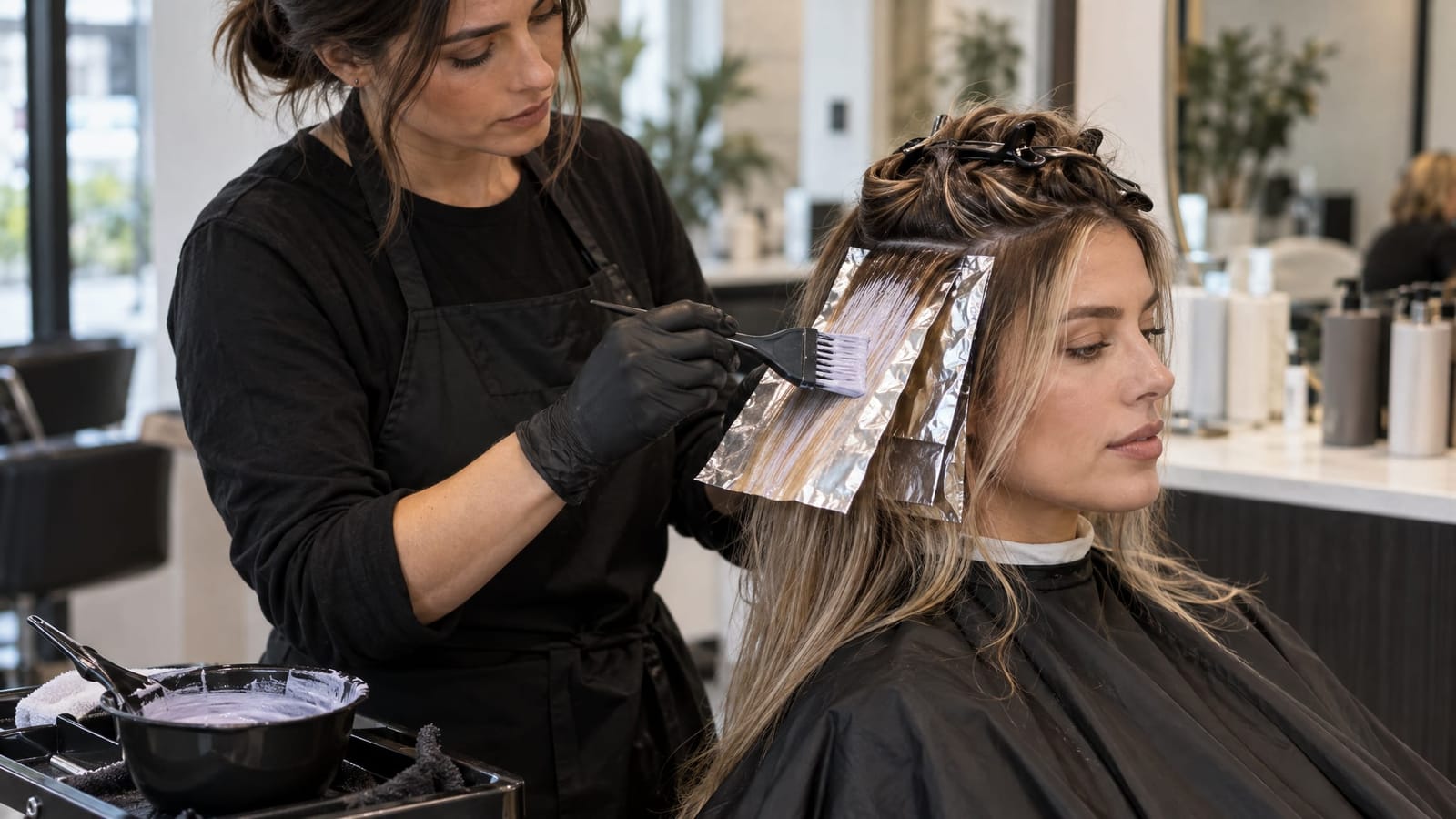
When Is a Double Glaze Worth It?
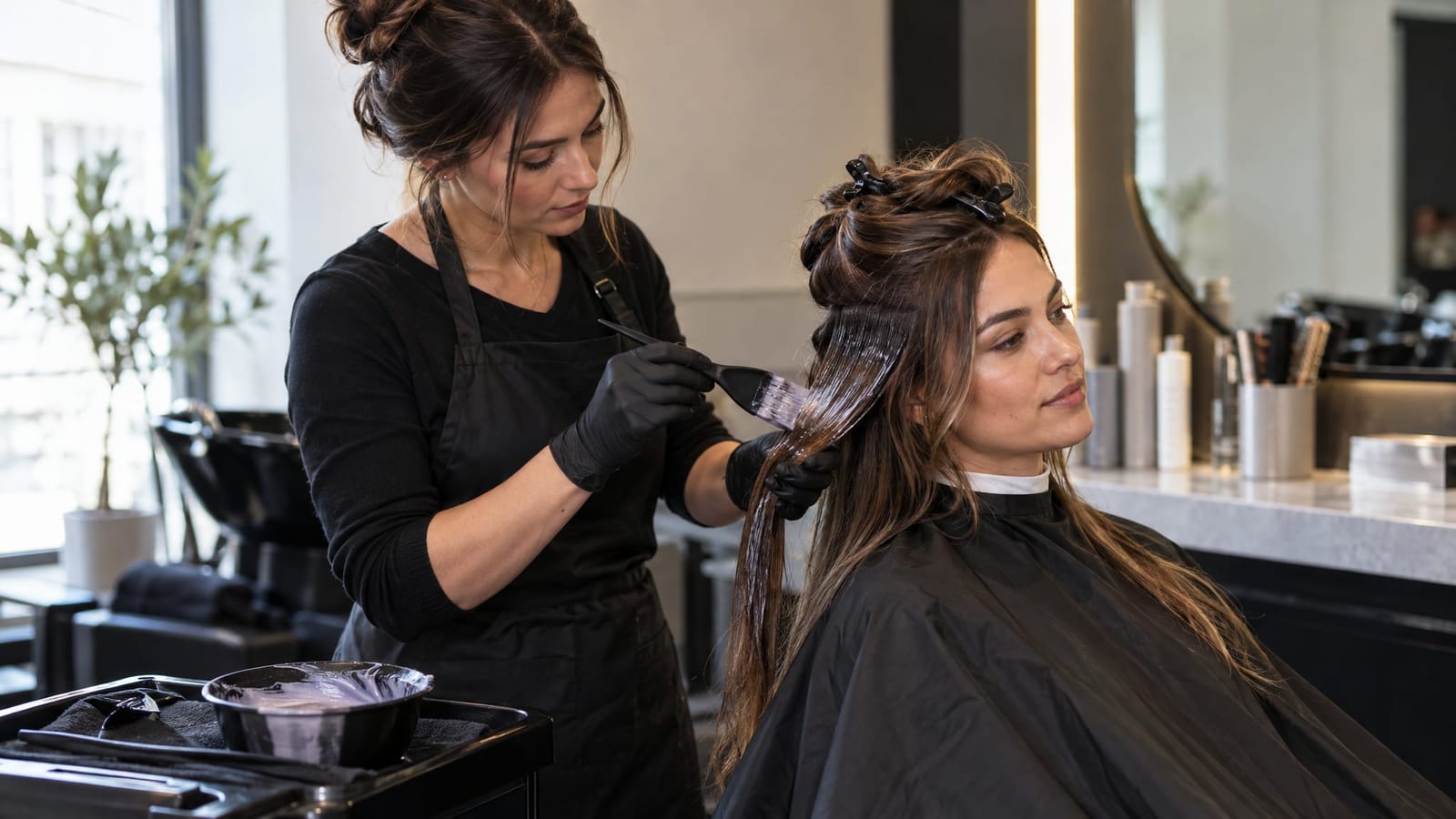
A double glaze is worth considering when two applications have distinct jobs: balancing an uneven starting tone, then refining the finished shade, for example. It is not automatically better than one glaze, and wanting extra shine alone does not necessarily call for a second application.
If you are wondering when to get a double glaze, focus on what your color needs rather than the number of applications. The best result is a shade that feels intentional, with brightness and dimension preserved where you want them.
What Does “Double Glaze” Mean?
Salon terminology varies. Here, a double glaze means two separate glaze applications during the same appointment, rather than leaving one formula on longer.
A glaze can add shine and, when it contains pigment, adjust how warm, cool, or rich your color appears. A clear glaze focuses on shine without deliberately adding a new shade. The effect depends on the formula and the hair it is applied to.
With two applications, the first may establish a more balanced base, while the second creates a particular finish. That does not mean every color goal needs two stages. Many shades can be achieved with one thoughtfully chosen formula.
When a Second Glaze Can Make Sense
Unwanted warmth and the desired shade need separate attention
Softening yellow or orange tones is not quite the same task as creating a specific beige, pearl, or caramel finish. Sometimes one formula handles both. In other cases, separating those goals allows more control.
For example, imagine bright blonde highlights with a stronger yellow tone than you want. Your goal is a soft beige, not an icy or gray-looking blonde. An initial application may reduce the unwanted warmth, followed by a second formula to refine the beige finish.
The important distinction is whether the second application contributes something specific. Adding more cool pigment simply because some warmth remains can make the color look muted rather than more balanced. A little warmth may also belong in the shade you actually want.
Different sections need different adjustments
Hair with older highlights, newer lightened pieces, and faded ends may not respond uniformly to one formula. Previously lightened areas can take up color differently from less-processed sections.
Consider a brunette with warmer ribbons through the middle and pale pieces around the face. Applying the same toning formula everywhere could soften the warmer sections but leave the face-framing pieces looking too cool or deep.
A staged approach may allow one area to be balanced first, followed by a selective application elsewhere. The second glaze does not necessarily need to cover the whole head.
This is also where restraint matters. More product everywhere is not the same as more precise color. The useful question is which sections need another adjustment and which already look right.
A deeper color change needs a foundation first
Moving from very light blonde toward a richer shade can involve more than placing the final color over the existing blonde. Very lightened hair may need warm pigment added back before the intended deeper shade is applied.
That preparatory step is often called a color fill. It creates a foundation for the finished color rather than simply adding another layer of shine.
This can involve multiple applications, but it is better understood as a color-correction plan than a routine double-glaze upgrade. If the goal is a substantial shade change, the conversation needs to address the full color process, not just whether to add a second glaze.
When One Glaze Is the Better Choice
A single application often makes sense when the starting color is fairly even and the goal is straightforward: refreshing a faded tone, softening mild warmth, or adding shine without a major shade change.
Our full balayage and partial foil services at Substance Salon in Rutherford include a finishing glaze. That finishing step already serves a purpose; highlights do not automatically require two glaze applications.
A second application may be unnecessary when:
- You like the current shade. If shine is the main goal, additional tinted color may change something you wanted to keep.
- The first glaze achieves the intended tone. Another layer can add depth or coolness without improving the result.
- You want lighter hair. A glaze is primarily for tonal refinement, not for lifting previously colored hair lighter.
- The concern is visible root regrowth. Refining the lengths is a different task from addressing the roots.
How to Decide Whether the Extra Application Adds Value
The clearest explanation names the purpose of each stage. “The first application balances the warmer sections; the second gives the lighter pieces a softer finish” tells you more than “two will look better.”
Useful consultation questions include:
- What will the second application change? Look for a specific difference in tone, depth, or balance.
- Will it go everywhere or only on certain sections? This helps clarify how the brightest pieces will be preserved.
- Could one application achieve the same goal? A more involved process is not automatically a better fit.
- How much extra appointment time and cost does it involve? Weigh those additions against the particular refinement you want.
Reference photos are most useful when you identify what appeals to you. “I like the soft beige tone, but I want to keep my light face frame” gives a clearer direction than asking for more gloss alone.
Frequently Asked Questions
Is a double glaze the same as double-process color?
No. Double-process color commonly describes lightening followed by toning or coloring. Two glaze applications describe two finishing or tonal steps, not necessarily a lightening service.
Will a double glaze last twice as long?
No. Two applications do not translate into double the wear time. How the color fades depends on the formulas, the hair’s condition, washing habits, and heat styling. A second application is better judged by its tonal purpose than by an expectation of extra longevity.
Will I need a double glaze at every appointment?
Not automatically. A staged application may address a particular starting point. At a later visit, the color may need only a simple refresh. The decision depends on the tone present at that appointment and the finish you want next.
The Goal Is Precision, Not More Layers
A double glaze earns its place when the second application solves a distinct color need that one application cannot handle as effectively. When your shade is already balanced, a single glaze may be the more considered choice. What matters is a clear purpose for every step.